Solandra longiflora Care

Solandra longiflora

About Solandra longiflora

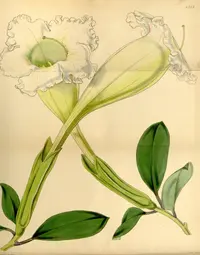
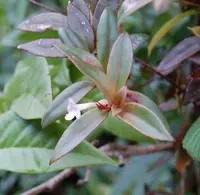
Solandra longiflora, often called chalice vine, is a fast-growing evergreen climber known for its very large, creamy white, trumpet-shaped flowers. The blooms open at night, release a strong fragrance, and gradually age to yellow, giving the plant a bold, tropical look.

This species is native to Mexico and the Caribbean, where it scrambles over trees and rocky slopes in warm climates. It can be challenging to manage in small spaces because of its vigorous growth and woody, sprawling stems.

Solandra longiflora prefers bright light, warmth, and well-drained soil, and reacts poorly to frost or prolonged cold. Gardeners who understand how to care for Solandra longiflora usually find it rewarding but best suited to mild outdoor climates or large protected structures.

Main Plant Requirements

Care Difficulty

Moderate Care

Light Preference

Full Sun

Water Requirements

Moderate Water

Temperature Preference

Tropical / Frost Sensitive

Hardiness Zone

10–11

Soil Texture

Sandy, Loamy, Organic-rich

Soil pH

Acidic (5.5–6.5), Slightly acidic (6.5–7.0)

Soil Drainage

Moist but well-drained

Fertilization

Light (every 4–6 weeks)

Get Personalized Care Plan

Scan your plant to receive care tips personalized for your specific plant

Available on iOS and Android

How to Care for the Solandra longiflora

This vigorous vine prefers bright, strong light similar to full sun in frost-free climates.

  • Provide 6–8 hours of direct sun daily, ideally with morning sun and light afternoon shade in very hot regions to reduce leaf scorch.
  • Tolerates light partial shade (around 3–4 hours direct sun), but flowering decreases and shoots may stretch in low light conditions.
  • In higher latitudes, position Solandra longiflora on a south or west exposure; monitor summer sun intensity and add filtered shade if leaves yellow or crisp at the edges.

This plant prefers consistently moist but not waterlogged soil, especially during active growth.

  • Water thoroughly when the top 3–5 cm of soil feel dry, allowing excess to drain; do not let it sit in standing water to avoid root rot.
  • In spring and summer, expect more frequent watering as growth and evaporation increase; reduce frequency in fall and winter while still preventing complete soil dryness.
  • Signs of overwatering include yellowing, soft leaves and a sour soil smell; underwatering shows as dull, drooping foliage and dry, pulling-away soil around the root zone.

This tropical vine grows best in warm, stable conditions without frost exposure.

  • Aim for 65–85°F (18–29°C) for active growth, with the strongest performance near 70–80°F (21–27°C) in bright light.
  • Avoid temperatures below 50°F (10°C); brief dips to 40–45°F (4–7°C) may be survived but can cause leaf damage and slow recovery.
  • Protect from frost and cold winds outdoors, and from hot, reflective walls that can push leaf temperatures above 95°F (35°C), which may scorch buds and flowers.

This species prefers moderate humidity but usually adapts to typical household air if not extremely dry.

  • Aim for 40–60% humidity to reduce leaf edge browning and flower drop.
  • It tolerates short periods of drier air, but persistent levels below 30% can cause curling, dull foliage, and stalled growth.
  • Increase humidity with a nearby room humidifier, grouped plants, or a pebble tray, and avoid misting directly onto flower buds.

Solandra longiflora grows best in a loose, well-aerated, fast-draining mix that still holds some moisture.

  • Use a base of loamy potting mix amended with coarse perlite and fine bark to create a chunky, airy structure.
  • Aim for slightly acidic to neutral pH, around 6.0–7.0, which supports nutrient availability and healthy root function.
  • Ensure rapid drainage so water does not sit at the root zone; avoid heavy clay-based or compacted mixes that stay wet for many hours.
  • Improve aeration by adding 20–40% coarse material (perlite, pumice, bark chips) and avoid fine sand that can fill air spaces.

This vine is suitable for container growing when the pot is chosen to support its vigorous, often top-heavy growth.

  • Select a wide, heavy container to counterbalance the climbing top growth and reduce tipping in wind or on balconies.
  • Choose a pot deep enough to accommodate a strong woody root system, leaving space for a support stake or trellis base.
  • Use a container material that matches your climate, such as thicker ceramic to slow moisture loss in hot, exposed positions.

Healthy flowering of Solandra longiflora responds well to moderate, targeted feeding.

  • Use a balanced liquid fertilizer (for example 10-10-10) at 1/2 strength every 4–6 weeks during spring and summer.
  • On established outdoor plants, apply a light layer of compost around the root zone once in spring.
  • For container plants, a slow-release fertilizer in early spring provides steady nutrients through the main growing season.
  • Stop feeding in late fall and winter to allow natural rest and avoid soft, frost-tender growth.

Thoughtful pruning helps manage the vigorous growth and flowering performance of Solandra longiflora.

  • Carry out main pruning in late winter or very early spring before strong new growth starts.
  • Remove dead, diseased, or storm-damaged stems first, then thin crowded or crossing shoots to open the canopy.
  • Shorten excessively long vines to control size and maintain a strong framework against the support.
  • Use sharp, clean bypass pruners and make angled cuts just above healthy buds or lateral shoots.

Managing root space is important, as this vine grows fast and can outgrow containers or planting spots.

  • Check for roots circling the pot, emerging from drainage holes, or slowed top growth as signals it needs more space.
  • Plan repotting or outdoor transplanting for late winter to early spring, aiming for about every 2–3 years in containers.
  • Move into a pot 1–2 in wider, using well-drained, nutrient-rich soil and a sturdy support for the vine.
  • Water thoroughly after moving, keep in bright but slightly reduced sun for 7–10 days, and maintain even moisture to limit root stress.

This species is commonly multiplied by semi-ripe stem cuttings taken from non-flowering shoots.

  • Take 10–15 cm semi-ripe cuttings in late spring or summer, each with 2–3 nodes.
  • Remove lower leaves, dip the base in rooting hormone, and insert into a moist, free-draining mix such as perlite and peat or coco coir.
  • Maintain bottom warmth around 70–75°F, high humidity, and bright, indirect light for steady rooting.
  • Seeds can be sown in spring in warm, sterile mix, though seed-grown plants take longer to reach flowering size.

In climates cooler than USDA zone 10, this vine needs specific winter protection due to its frost sensitivity.

  • Avoid exposure to frost; sustained temperatures below about 40°F can damage foliage and young stems.
  • For in-ground plants, mulch the root zone with 5–8 cm of organic material, keeping it slightly away from the stem.
  • Move container-grown plants indoors or into a heated greenhouse before the first frost and provide bright light.
  • Reduce watering in winter, keeping the root ball just barely moist to prevent rot in cool conditions.

Care Tips

Provide strong support

Install a sturdy trellis, pergola, or wire framework before the vine gets large so stems can be tied in with soft ties and trained upward instead of sprawling and snapping under their own weight.

Limit bud drop

Avoid shifting the plant’s position, repotting, or doing heavy pruning during the weeks when flower buds are forming, as sudden changes in light direction or root disturbance can trigger bud drop.

Manage root vigor

Use a large, heavy container or deep in-ground root zone and thin out older, congested roots every few years to keep growth vigorous but more controllable in size.

Cold-season handling

In regions with cool winters, grow Solandra longiflora in a large, movable container so it can stay outdoors in high light during warm months and be moved to a bright, frost-free space when night temperatures approach 40°F.

Monitor sap and toxicity

Wear gloves when pruning or training, dispose of cuttings securely, and keep the plant away from children and pets, since the milky sap and all plant parts are toxic if ingested.

Common Pests and Diseases

Spider mites

This pest commonly colonizes the undersides of leaves on Solandra grown in warm, dry conditions, causing stippling, dull foliage, and fine webbing. Symptoms include slowed growth and gradual leaf drop if populations are high.

Solution

Rinse foliage thoroughly with a strong but controlled stream of water, especially the leaf undersides, then increase humidity and reduce heat stress to discourage reinfestation. For persistent problems, use repeated applications of insecticidal soap or horticultural oil, making sure to coat both sides of the leaves and stems while improving airflow around the vine.

Mealybugs

These insects hide in leaf axils, on stems, and around flower stalks, sucking sap and excreting sticky honeydew that can attract sooty mold. Symptoms include distorted new growth, sticky residues, and cottony white clusters on stems and nodes.

Solution

Remove visible clusters with a cotton swab dipped in 70% isopropyl alcohol and prune heavily infested shoots. Follow up with targeted sprays of insecticidal soap or neem oil at 7–10 day intervals, and isolate affected plants from others while monitoring new growth closely as part of Solandra longiflora care instructions.

Scale insects

These insects attach firmly to stems and leaf midribs, appearing as small brown or tan bumps that do not move. Symptoms include yellowing leaves, reduced vigor, and honeydew deposits that may lead to sooty mold on foliage or nearby surfaces.

Solution

Gently scrape off individual scale with a fingernail or soft brush and prune out heavily infested twigs. Apply horticultural oil or insecticidal soap during the crawler stage, repeating treatments as needed, and maintain good light and nutrition so the vine can recover more quickly.

Leaf spot

This disease produces circular to irregular brown or tan lesions on leaves, sometimes with darker edges or yellow halos, especially in warm, humid conditions or on plants with wet foliage for long periods. Symptoms include premature leaf drop that can thin the canopy and reduce flowering.

Solution

Remove and discard affected leaves, then water at the base to keep foliage dry and improve airflow by thinning congested stems. If spots continue to spread, apply a labeled copper or chlorothalonil fungicide according to directions, and avoid overhead watering in the evening to limit leaf wetness duration.

Botrytis blight

This disease affects flowers, buds, and tender shoots, producing soft brown lesions that develop gray, fuzzy mold in cool, damp conditions. Symptoms include aborted flower buds, rotting petals, and dieback of young tips, especially in dense, poorly ventilated plantings or greenhouses.

Solution

Promptly remove and dispose of all affected flowers and soft tissues and improve air circulation by spacing and pruning the vine. Reduce humidity, avoid wetting flowers when watering, and use a labeled fungicide for Botrytis on high-value plants if cultural changes alone do not stop new infections.

Interesting Facts

Trumpet-shaped night bloomer

This species produces very large, elongated trumpet flowers that often open or become most fragrant at night, reflecting its adaptation to nocturnal pollinators such as moths and possibly bats.

Intoxicating floral scent

The creamy white flowers release a heavy, sweet fragrance that intensifies after dusk and can carry several meters, which helps attract long-distance pollinators in its native Caribbean habitats.

Highly toxic chemistry

Like many members of the Solanaceae family, it contains potent tropane alkaloids in its leaves, stems, and flowers, making the plant highly poisonous if ingested by humans or pets and requiring very cautious handling when growing Solandra longiflora.

Botan icon

Did you know?

In favorable tropical or subtropical conditions, this vine can develop into a substantial liana-like climber that scrambles over trees and structures, forming a dense flowering canopy that can dominate its immediate vegetation layer.

FAQs about Solandra longiflora

This species grows as a vigorous woody vine with long, twining stems that climb when given strong support. Without support it will scramble and sprawl, potentially covering nearby structures, trees, or shrubs over time.

Grow Healthy Plants with Botan Care

Keep your plants happy and healthy with plant identification, disease detection, and easy care guidance.

Botan plant care app — identify plants on mobile

Explore More Plants