stiff flower star orchid Care (Epidendrum rigidum)

stiff flower star orchid

About stiff flower star orchid

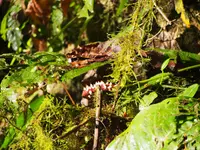
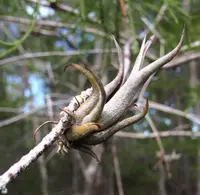
The stiff flower star orchid, Epidendrum rigidum, is a small epiphytic orchid that often grows on tree branches or rocks. Its stems are upright and firm, carrying narrow, leathery leaves. This species produces small, star-shaped flowers, usually greenish to yellow-green, held in clusters near the top of the stems. The overall look is compact and architectural rather than showy. Epidendrum rigidum is native to tropical regions of the Americas, where it thrives in bright, filtered light and good air movement. Its tough leaves and adaptable roots make it moderately easy to grow for those who learn how to care for stiff flower star orchid, especially in warm indoor or greenhouse conditions.

Main Plant Requirements

Care Difficulty

Moderate Care

Light Preference

Partial Sun

Water Requirements

Moderate Water

Temperature Preference

Tropical / Frost Sensitive

Hardiness Zone

10–11

Soil Texture

Sandy, Loamy, Organic-rich

Soil pH

Acidic (5.5–6.5), Slightly acidic (6.5–7.0)

Soil Drainage

Well-drained

Fertilization

Light (every 4–6 weeks)

Get Personalized Care Plan

Scan your plant to receive care tips personalized for your specific plant

Available on iOS and Android

How to Care for the stiff flower star orchid

This compact epiphytic orchid prefers bright, filtered light similar to high, open tree canopies.

  • Provide 4–6 hours of bright, indirect light daily; early morning sun with light shade from strong midday rays suits stiff flower star orchid best.
  • Allow light dappled shade outdoors; avoid harsh afternoon sun that causes yellowing, scorched leaf tips, or wrinkled pseudobulbs.
  • Increase light slightly in winter by moving to a brighter position, but protect from sudden full-sun exposure after cloudy periods to prevent leaf burn.

This species prefers consistent moisture around the roots but must never sit in stagnant water.

  • Water when the top 2–3 cm of the mix feel just barely dry, using thorough soak-and-drain rather than light splashes to flush salts and hydrate roots.
  • Use a very free-draining orchid-grade medium so Epidendrum rigidum roots receive moisture with abundant air spaces, reducing risk of rot.
  • Reduce watering frequency in cooler months and watch for signs: overwatering shows as black, mushy roots or yellowing leaves; underwatering as wrinkled pseudobulbs and limp foliage.

This orchid grows best in warm to intermediate temperatures with slight day–night variation.

  • Aim for 65–80°F (18–27°C) by day and 55–65°F (13–18°C) at night to support steady growth and flowering.
  • Avoid temperatures below 45°F (7°C); the plant is not frost tolerant and prolonged cold leads to leaf damage and root decline.
  • Tolerates short heat spells up to about 90°F (32°C) if humidity is moderate and air moves gently; in hot weather, provide shade and avoid hot, stagnant spots near walls or paving.

This orchid prefers moderate humidity but copes with typical indoor levels if watering is consistent.

  • Aim for 50–70% humidity, using a hygrometer to check levels around the plant.
  • Leaves that wrinkle, tip-burn, or feel papery indicate air is too dry for stiff flower star orchid.
  • Increase humidity with a pebble tray or grouping plants, but keep leaf surfaces dry and ensure strong air movement.

Provide a loose, airy, fast-draining medium that mimics an epiphytic orchid habitat.

  • Use a mix of medium orchid bark, perlite, and a small amount of sphagnum moss to hold light moisture without staying wet.
  • Ensure large air spaces in the mix so Epidendrum rigidum roots receive oxygen and dry slightly between waterings.
  • Aim for slightly acidic to neutral conditions around pH 5.5–7.0, avoiding heavy garden soil or peat-only blends.
  • If the mix compacts, add extra bark or coarse perlite to restore drainage and prevent root suffocation.

This species is well suited to container growing when drainage and root aeration are prioritized.

  • Choose a pot only 2–4 in wider than the root mass so the mix dries evenly and does not stay wet at the center.
  • Select a sturdy, heavier pot if the plant grows tall to prevent tipping in wind or when the spikes elongate.
  • Use containers with multiple side and bottom holes, and elevate the pot slightly so runoff water clears the base quickly.

This epiphytic orchid benefits from modest, dilute feeding during active growth.

  • Use a balanced orchid fertilizer (around 20-20-20) at 1/4–1/2 strength for caring for stiff flower star orchid in pots or mounted culture.
  • Feed every 2–3 weeks in spring and summer when new roots and leaves are developing.
  • In autumn and winter, reduce feeding to monthly or pause if growth slows markedly.
  • Flush the medium with plain water monthly to prevent fertilizer salt buildup around the roots.

Epidendrum rigidum needs only light, targeted pruning to stay healthy and flowering well.

  • Best time is after a flowering cycle, once spent spikes fade and no new buds are forming.
  • Remove dry flower spikes, dead or damaged canes, and any rotting or yellowed foliage with clean, sharp scissors.
  • Avoid cutting green, healthy canes, as they store energy and support new growth and keikis.
  • Disinfect tools before and after use with alcohol to limit bacterial or fungal entry.

This orchid prefers a snug container or mount and only needs infrequent repotting when crowded or decomposed.

  • Repot every 2–3 years, or when roots circle the pot, medium breaks down, or growth becomes slow and weak.
  • Plan repotting for late winter to early spring, just before strong new root growth begins.
  • Gently tease roots from old bark, trim dead roots, and shift into fresh, free-draining orchid mix with minimal disturbance.
  • Water lightly for the first 1–2 weeks after repotting to limit rot and allow damaged roots to heal.

Propagation of Epidendrum rigidum is usually done vegetatively rather than from seed in home settings.

  • Divide clumps in late spring when several healthy canes with active roots are present.
  • Cut and pot sections with at least 3–4 canes and ample live roots into fresh, airy orchid medium.
  • Maintain bright, filtered light, 65–80°F, and high humidity (50–70%) to support root establishment.
  • Sow seeds only in specialized sterile lab conditions, since orchid seeds lack stored food and need symbiotic fungi.

This warm-growing orchid is not frost hardy and needs sheltered winter conditions in most climates.

  • Keep plants above 55°F; brief exposure near freezing can damage leaves and roots.
  • Move container plants indoors or into a heated greenhouse before night temperatures drop below 50°F.
  • Provide bright, indirect light and slightly drier conditions, allowing the medium to almost dry between waterings.
  • Avoid cold drafts and sudden temperature swings that can stress canes and buds.

Care Tips

Mounting technique

Mount plants on cork or hardwood slabs with a thin layer of sphagnum only around the roots, then secure them with soft wire or fishing line so air reaches roots and water can drain quickly.

Root zone monitoring

Lift the plant or mount after watering to feel its weight and learn how quickly it dries, then adjust watering frequency so the root zone dries to just barely dry between waterings.

Airflow management

Use a small fan on a low, indirect setting near the plant to keep air moving across leaves and roots, which reduces fungal problems and helps thin roots dry appropriately after each watering.

Targeted calcium supply

Provide a low-dose calcium supplement a few times during the growing season, either through a balanced orchid fertilizer with added Ca or by alternating with a cal-mag product, to support firm canes and flower production without overfeeding.

Seasonal rest adjustment

In late autumn, gradually reduce fertilizer and allow slightly longer dry intervals while keeping bright light, which helps synchronize flowering and improves long-term vigor when growing stiff flower star orchid.

Common Pests and Diseases

Scale insects

This pest often settles along stiff pseudobulbs and leaf bases, sucking sap and weakening the plant over time. Symptoms include yellowing leaves, sticky honeydew, and small brown or white bumps that do not brush off easily.

Solution

Remove heavily infested stems or leaves and wipe remaining areas with cotton pads soaked in 70% isopropyl alcohol, repeating weekly until no new insects appear. Improve air movement around the plant and, if needed, use a labeled horticultural oil spray, keeping it off open flowers and applying in the cooler part of the day.

Spider mites

These insects thrive on Epidendrum rigidum grown in warm, dry air and often colonize the undersides of narrow leaves. Symptoms include fine webbing, tiny pale speckles, and a dull, gray-green appearance of the foliage.

Solution

Rinse foliage thoroughly under a gentle stream of water, especially the leaf undersides, and increase humidity to above 50% while keeping air moving. For persistent infestations, apply an insecticidal soap or neem oil spray labeled for orchids every 7–10 days until new growth is clean.

Mealybugs

This pest hides in leaf axils, around roots, and between tight stem joints, where it feeds on plant sap. Symptoms include cottony white clumps, distorted new growth, and sticky residue that can lead to sooty mold.

Solution

Isolate the plant, then remove visible mealybugs with cotton swabs dipped in 70% isopropyl alcohol, paying attention to crevices and root zones. Repeat inspections weekly and, if needed, use an insecticidal soap drench on stems and roots, allowing the potting medium to dry slightly afterward to avoid excess moisture stress.

Bacterial brown spot

This disease affects leaves and tender floral stems, especially under warm, stagnant, and wet conditions. Symptoms include water-soaked translucent patches that quickly turn brown, sometimes with a yellow halo around the lesion.

Solution

Cut off affected tissue with a sterile blade, making sure to remove a small area of healthy tissue around the spots, and discard all debris. Keep foliage dry, increase air circulation, avoid overhead watering, and if spread continues, use a copper-based bactericide labeled for orchids, applied according to directions and not mixed with other products.

Leaf tip and margin burn

Symptoms include dry, brown tips and edges on the narrow leaves, often linked to high dissolved salts from hard water, frequent fertilization, or poor leaching of the mount or potting medium. This problem is common in Epidendrum rigidum plant care when grown under bright light with limited water movement across the roots.

Solution

Rinse the root zone or mount thoroughly with low-mineral water, such as rainwater, distilled, or reverse-osmosis water, allowing excess to drain completely. Trim only the dead brown portions, reduce fertilizer strength to about 1/4–1/2 of the label rate, and flush the plant well with clear water every 3–4 weeks to prevent salt buildup.

Interesting Facts

Miniature cloud forest epiphyte

This species naturally grows as a small epiphyte on trees in humid montane forests from Mexico to Central America, often forming moss-covered clumps on twigs and small branches rather than on large trunks.

Rigid, terete leaves

Its narrow, almost cylindrical leaves are unusually stiff and tough compared with many orchids, an adaptation that reduces water loss and helps the plant tolerate bright, exposed canopy conditions.

Many tiny green flowers

It produces branching inflorescences with numerous small, greenish to yellow-green flowers that may open successively, providing an extended but subtle flowering period attractive mainly to small insect pollinators.

Botan icon

Did you know?

Epidendrum rigidum is part of a complex and taxonomically challenging group within Epidendrum, and its name has historically been confused with closely related miniature species, making accurate field identification by specialists dependent on subtle floral details such as lip shape and column structure.

FAQs about stiff flower star orchid

Lack of flowering usually comes from insufficient light, too little temperature drop at night, or nutrient imbalance. Slightly cooler, brighter conditions and a low-nitrogen orchid fertilizer often trigger new spikes after a rest period.

Grow Healthy Plants with Botan Care

Keep your plants happy and healthy with plant identification, disease detection, and easy care guidance.

Botan plant care app — identify plants on mobile

Explore More Plants