Cutback rotation
Every 2–3 years, cut back only one-third to one-half of the oldest stems to 5–8 cm above the ground in late winter, which preserves flowering while preventing the clump from becoming woody and sparse.

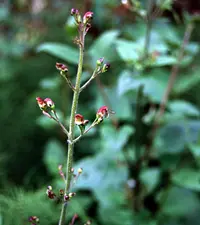
California bee plant, Scrophularia californica, is a perennial herb native to western North America, especially California’s coastal and foothill regions. It often grows in woodland edges, chaparral, and disturbed sites.
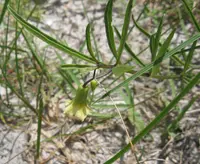
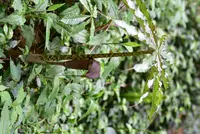
The plant forms upright stems with opposite leaves and many small, tubular maroon to greenish flowers that attract bees, wasps, and other beneficial insects. It has a naturally informal, slightly wild look.
This species is generally hardy, adaptable, and tolerant of drought once established, so it can suit low-maintenance native or wildlife gardens. To care for California bee plant, provide sun to light shade and soil that drains well but does not stay bone dry for long periods.

Care Difficulty
Easy Care

Light Preference
Full Sun

Water Requirements
Moderate Water

Temperature Preference
Cold Hardy

Hardiness Zone
6–9

Soil Texture
Sandy, Loamy, Rocky

Soil pH
Slightly acidic (6.5–7.0), Neutral (7.0)

Soil Drainage
Well-drained

Fertilization
Minimal (feed rarely)
Scan your plant to receive care tips personalized for your specific plant
Available on iOS and Android
This perennial prefers moderate sun exposure that mimics open woodland or chaparral edges.
This species prefers seasonally dry conditions and does best in well-drained, never soggy soil.
This plant is adapted to mild, dry-summer climates with cool, wet winters.
Scrophularia californica tolerates a wide humidity range and rarely needs special humidity management outdoors.
Scrophularia californica prefers well-drained, slightly dry-leaning soils with moderate fertility.
This species can be grown in containers if the pot is set up to prevent waterlogging and tipping.
This native perennial usually needs minimal feeding in the ground but benefits from light nutrition in poor soils or containers.
Thoughtful pruning keeps Scrophularia californica tidy and supports healthy flowering stands.
This species is usually grown in the ground, so focus on careful outdoor transplanting rather than frequent repotting.
Scrophularia californica is commonly propagated from seed or by division of established clumps.
In much of its native range this perennial is fairly cold hardy and usually needs little winter care in the ground.

Plant Health Check
Not sure what's wrong with your plant? Check your plant's health inside the app.
The small, tubular maroon flowers are especially attractive to native long-tongued bees, which can easily reach the nectar that many other insects cannot access.
This species grows in a wide range of western habitats, from coastal scrub and woodland edges to disturbed roadsides, showing high tolerance for different soil textures and exposures.
The plant has distinctly square stems and opposite, toothed leaves, a combination that helps botanists recognize it quickly in the field.

This species is a common larval host for variable checkerspot butterflies in parts of its range, providing crucial food for caterpillars that later become important pollinators in the same ecosystems.
This species is highly attractive to native bees, wasps, and some butterflies. Its tubular flowers provide nectar and pollen over a long season, making it valuable in pollinator gardens and habitat restoration plantings.
Keep your plants happy and healthy with plant identification, disease detection, and easy care guidance.