Handle Skin Safely
Wear gloves and long sleeves when handling or pruning common rue, since its sap can cause skin irritation in strong sun, and wash exposed skin with soap and water afterward.

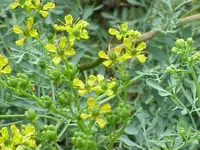
Common rue, Ruta graveolens, is a small woody perennial herb grown for its aromatic, blue-green foliage and historical medicinal and culinary use. It forms a compact, bushy mound with finely divided leaves and small yellow flowers.
This plant originates from the Mediterranean region but is now widely grown in temperate gardens as an ornamental and traditional herb. It tolerates poor, dry soils and heat, which makes it fairly resilient but not suitable for very wet or shaded spots.
Understanding how to care for common rue starts with providing plenty of sun, good drainage, and avoiding overwatering, which helps maintain a healthy, long-lived plant.

Care Difficulty
Easy Care

Light Preference
Full Sun

Water Requirements
Low Water

Temperature Preference
Cold Hardy

Hardiness Zone
4–9

Soil Texture
Sandy, Loamy, Rocky

Soil pH
Slightly acidic (6.5–7.0), Slightly alkaline (7.0–7.5)

Soil Drainage
Well-drained

Fertilization
Minimal (feed rarely)
Scan your plant to receive care tips personalized for your specific plant
Available on iOS and Android
This sun-loving herb performs best with strong, direct light in most climates.
This drought-tolerant subshrub prefers infrequent, deep watering in sharply drained soil.
This Mediterranean perennial handles a wide temperature range once established.
Humidity is rarely a concern for common rue, which prefers dry to moderately dry air.
Ruta graveolens prefers lean, sharply drained soil that mimics dry, rocky sites.
This species is well suited to container growing outdoors in sunny, dry locations.
This drought-tolerant herb thrives in lean soil, so common rue needs only light feeding in most home gardens.
Pruning helps Ruta graveolens stay compact, bushy, and productive in foliage.
This shrub-like perennial is usually grown in the ground, but container plants or young Ruta graveolens may need occasional repotting or transplanting.
Ruta graveolens is commonly propagated by seed and softwood or semi-ripe cuttings.
Ruta graveolens is moderately cold hardy and usually needs only modest winter care in temperate climates.

Plant Health Check
Not sure what's wrong with your plant? Check your plant's health inside the app.
The sap contains furanocoumarins that can cause phytophotodermatitis, a skin reaction triggered when sap-covered skin is exposed to UV light, leading to redness and blistering in sensitive individuals.
In many regions, the plant serves as a larval food source for several swallowtail butterfly species, including the common swallowtail (Papilio machaon), which feed on its leaves despite their strong aromatic compounds.
Its blue-green leaves release a pungent, bitter aroma when crushed, due to high levels of essential oils that likely evolved as a defense against herbivores and pathogens.

In ancient and medieval Europe, this species was symbolically associated with protection and was commonly used in religious and ceremonial rituals, such as being included in holy water sprinklers and carried as a charm against contagion and evil influences.
Brown leaves usually result from underwatering, intense heat, or fertilizer burn. Check soil moisture, reduce direct afternoon sun if very harsh, and avoid strong fertilizer on dry soil. Old inner leaves browning is often just natural aging.
Keep your plants happy and healthy with plant identification, disease detection, and easy care guidance.