hemlock waterparsnip Care (Sium suave)

Also known as: water parsnip
hemlock waterparsnip

About hemlock waterparsnip

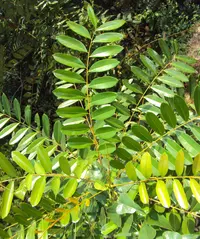
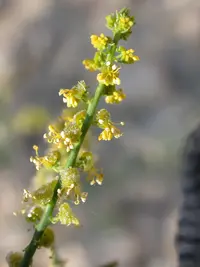
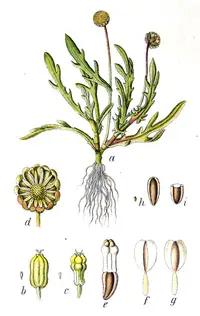
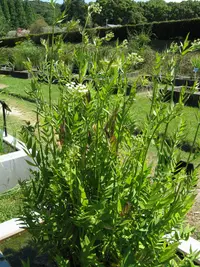
Hemlock waterparsnip (Sium suave) is a wetland perennial from the carrot family, forming tall, hollow stems with divided, fernlike leaves. It produces flat-topped clusters of small white flowers in summer that attract many insects.

This species naturally occurs in marshes, ditches, pond margins, and slow streams across much of North America. It spreads by rhizomes and self-seeding, so it can form dense stands where conditions stay consistently wet.

The plant prefers full sun to light shade, saturated soil, and cool to moderate temperatures. It suits naturalized ponds or restoration plantings, but gardeners should research how to care for hemlock waterparsnip due to its toxic properties and potential for aggressive spread.

Main Plant Requirements

Care Difficulty

Moderate Care

Light Preference

Full Sun

Water Requirements

Aquatic

Temperature Preference

Cold Hardy

Hardiness Zone

3–8

Soil Texture

Loamy, Silty, Organic-rich

Soil pH

Slightly acidic (6.5–7.0), Neutral (7.0)

Soil Drainage

Waterlogged tolerant

Fertilization

Minimal (feed rarely)

Get Personalized Care Plan

Scan your plant to receive care tips personalized for your specific plant

Available on iOS and Android

How to Care for the hemlock waterparsnip

This wetland perennial needs consistent light but is adapted to variable open-site conditions.

  • Provide 4–8 hours of sun daily, with best growth in full morning sun and light afternoon shade, especially in warmer regions.
  • Tolerates bright overcast conditions and dappled light from shrubs or grasses, but dense shade reduces stem strength and flowering of hemlock waterparsnip.
  • In open, unshaded sites, strong summer sun is acceptable if roots remain saturated; leaf scorch indicates too much exposure or insufficient water.

This species is native to marshes and slow streams, so it is adapted to saturated conditions.

  • Aim for soil that stays saturated or very wet; in garden settings, do not allow more than the top 1–2 cm of soil to dry.
  • In warm weather, watch for wilting, dull leaves, or drooping stems as cues to add water or raise the standing water level around Sium suave.
  • Yellowing, limp stems and foul-smelling, blackened roots indicate chronic overwatering only where drainage is totally absent and organic matter is decomposing anaerobically.

This cold-hardy wetland plant tolerates a wide climate range but has clear preferences for active growth.

  • Prime growth occurs around 60–77°F (16–25°C), typical of late spring and early summer in many temperate regions.
  • Established plants survive winter lows near 0°F (-18°C) when roots are submerged or mulched, but young plants are more vulnerable to repeated hard frost.
  • During hot spells above 86°F (30°C), growth may slow; stable water levels and some afternoon shade reduce heat stress and leaf scorch.

This semi-aquatic species prefers very high humidity close to saturated air around wet substrates.

  • Aim for 70–100% humidity, mimicking marsh or stream-edge conditions with consistently wet soil or shallow standing water.
  • Dry air causes leaf edge browning, limp foliage, and slower growth in hemlock waterparsnip.
  • Increase humidity by grouping plants over water trays, using large saucers filled with water and stones, or positioning containers at pond margins.

Sium suave thrives in saturated, fine-textured soils that stay wet or shallowly submerged.

  • Use a heavy loam or clay-loam with high organic matter, avoiding light, fast-drying potting mixes.
  • Aim for neutral to slightly acidic pH around 6.0–7.0, mixing in composted leaf mold or well-rotted compost for structure.
  • Allow almost no drainage at root level, growing in lined beds, pond margins, or containers without large drainage holes to keep soil waterlogged.
  • Avoid sandy, sharply drained, or alkaline soils that dry out quickly or prevent constant root moisture.

This species can be grown in containers if the setup maintains constant saturation or shallow standing water.

  • Choose a deep, heavy container to resist tipping and to hold a substantial volume of waterlogged substrate.
  • Block or greatly reduce drainage holes and stand the pot in an outer waterproof tray or basin kept filled with water.
  • Use rigid, non-porous materials like plastic or glazed ceramic so the sides do not wick moisture away from the saturated root zone.

This wetland native usually grows well without extra feeding, but light fertilization can support container or restoration plantings of hemlock waterparsnip.

  • Use a balanced, water-soluble fertilizer (such as 10-10-10) at 1/4–1/2 strength for plants confined to pots or nutrient-poor sites.
  • Apply every 4–6 weeks during the active growing season, when plants show steady leafy growth.
  • Skip synthetic fertilizer in winter or dormancy, relying on existing soil nutrients.
  • In naturalized beds, top-dress with a thin layer of compost once in spring instead of frequent liquid feeding.

Pruning Sium suave is minimal and mainly supports safety, tidiness, and healthy regrowth in managed sites.

  • Cut back dead, damaged, or diseased stems whenever noticed using clean, sharp hand pruners.
  • In late fall or very early spring, remove spent, floppy flowering stems to encourage fresh upright growth.
  • Thin crowded stems at the base to improve air flow and reduce fungal issues in dense, wet stands.
  • Leave a portion of seed heads if wildlife value or self-sowing is desired, trimming the rest to reduce spread.

This species is more often transplanted in wet ground than kept as a long-term container plant.

  • Transplant in early spring or early fall when temperatures are mild and soil stays consistently moist.
  • Move clumps if growth declines, plants become too dense, or roots start circling in a nursery pot.
  • Lift plants with a wide root ball, keeping soil intact, and replant at the same depth into saturated, organic-rich soil.
  • Water thoroughly before and after transplanting, then shade lightly for a few days to limit transplant shock.

Sium suave is commonly propagated by seed and, less often, by careful division in wetland restoration or native plant projects.

  • Collect ripe seeds in late summer to early fall and sow fresh for higher germination.
  • Provide a cold, moist period of 6–8 weeks (cold stratification) before spring sowing if seeds were stored dry.
  • Sow seeds in shallow trays or outdoor seedbeds kept consistently wet, using a fine-textured, organic mix.
  • Divide mature clumps in early spring, keeping roots constantly moist and replanting divisions immediately.

This cold-hardy perennial usually needs little special winter care in its native range.

  • Established plants tolerate typical freezes in USDA zones where the species is native, with tops dying back and roots overwintering.
  • In exposed or marginally hardy sites, add a 5–8 cm layer of mulch around the root zone after the ground cools.
  • For container-grown plants, move pots into a sheltered, unfrozen spot and keep the root ball just barely moist.

Care Tips

Prevent Root Uprooting

In flowing or fluctuating water, anchor plants by placing their root crowns between larger gravel or small stones so currents and ice movement do not lift them out of the substrate.

Control Aggressive Spread

In rich wet soils, install shallow rhizome barriers or periodically remove outer clumps with a spade to prevent this species from outcompeting other marginal or bog plants.

Monitor Water Quality

Check that planting sites receive clean, low-pollutant water and avoid locations downstream of heavily treated lawns or agricultural runoff, since nutrient spikes and herbicide residues can damage stands over time.

Staggered Stand Renewal

Every 2–3 years, thin and replant only a portion of a dense colony so the stand stays vigorous and disease pressure remains low while still maintaining habitat continuity.

Winter Habitat Protection

In colder regions, leave dead stems in place through winter to trap sediment and protect crowns from freeze–thaw heaving, then remove and compost the old growth in early spring as part of caring for hemlock waterparsnip.

Common Pests and Diseases

Carrot rust fly

This pest targets many umbellifer wetland plants and larvae tunnel into roots and lower stems, causing stunting, yellowing, and weakened plants. Symptoms include browning or decay around feeding sites, especially in soft submerged or muddy stem sections.

Solution

Remove and destroy heavily damaged plants to reduce larval populations and avoid leaving plant debris in wet soil where pupae can overwinter. Where feasible, use fine mesh barriers above waterline in small plantings, encourage natural predators by maintaining plant diversity, and avoid disturbing wet soil frequently, which can expose new sites for egg-laying.

Aphids

These insects cluster on young shoots, flower stalks, and undersides of leaves, sucking sap and causing curling, distortion, and sticky honeydew deposits. Sooty mold fungi may develop on the honeydew, further reducing photosynthesis.

Solution

Dislodge colonies with a strong stream of clean water directed at stems and leaf undersides, repeating as needed. In larger stands, encourage lady beetles and lacewings, avoid high nitrogen fertilization that promotes soft growth, and prune or pinch back heavily infested tips where practical, following regionally approved insecticidal soap use if nonchemical methods are insufficient.

Leaf spot

This disease produces small water-soaked or tan to dark-brown lesions on foliage, often with yellow halos, which can merge to cause larger dead patches. Symptoms include premature leaf yellowing and thinning in dense, wet stands.

Solution

Remove and discard heavily spotted foliage to lower the amount of infectious material, and avoid overhead splashing from pumps or irrigation that keeps leaves wet for long periods. Improve spacing and water movement so foliage dries faster, and rotate or thin dense colonies to reduce humidity, using only clean tools when cutting stems.

Powdery mildew

This disease appears as white to gray powdery patches on upper leaf surfaces and stems, which can lead to leaf distortion and reduced vigor in late summer colonies. Symptoms include dull, faded foliage and premature leaf drop under stress.

Solution

Cut back and remove infected stems at the end of the season to limit overwintering spores, and avoid excessive shade and crowding that keep air stagnant over the water surface. In small plantings, selectively thin stems to improve airflow and consider regionally approved sulfur or bicarbonate-based products if cultural measures do not hold the disease in check.

Cercospora blight

This disease, reported on several native umbellifers, causes angular to irregular brown lesions that often follow leaf veins, eventually blighting whole leaflets and tips. Symptoms include progressive dieback from lower foliage upward, especially in warm, humid conditions along slow-moving water margins.

Solution

Promptly remove and dispose of blighted leaves and stems, especially lower, older foliage where the disease often begins. Maintain good water movement around plants, avoid high nitrogen that encourages lush, susceptible growth, and if managing conservation or display plantings, rotate with non-Apiaceae wetland species in adjacent areas to reduce pathogen buildup and support informed Sium suave plant care.

Interesting Facts

Wetland specialist

This species is strongly tied to saturated soils and is most often found in marshes, fens, slow streams, and ditches across much of North America, where its dense root system helps stabilize soft, silty substrates.

Flood-tolerant roots

The plant can withstand prolonged flooding by growing in shallow water and using hollow, air-conducting tissues in its stems to move oxygen down to submerged roots, a common adaptation in aquatic and semi-aquatic umbellifers.

Toxic look-alike

It closely resembles several highly poisonous Apiaceae relatives, such as water hemlock (Cicuta spp.), which has led field botanists to treat any similar wetland plant with great caution unless carefully identified.

Botan icon

Did you know?

Sium suave is an important food source for the larvae of several wetland moth and butterfly species, which specialize on Apiaceae plants and rely on these stands in marshes and pond margins to complete their life cycles.

FAQs about hemlock waterparsnip

All parts contain toxic compounds that affect the nervous system. Ingestion by people, livestock, or pets can cause vomiting, tremors, seizures, and potentially death. Handling is generally safe, but avoid ingestion and keep animals from grazing on it.

Grow Healthy Plants with Botan Care

Keep your plants happy and healthy with plant identification, disease detection, and easy care guidance.

Botan plant care app — identify plants on mobile

Explore More Plants