ginger Care (Zingiber officinale)

Also known as: Cooking Ginger, Ginger

About ginger

Ginger, Zingiber officinale, is a tropical perennial grown for its aromatic underground stems called rhizomes. It forms clumps of upright, reed-like shoots with narrow green leaves.

In the wild it occurs in warm, humid regions of South and Southeast Asia, and it is now cultivated in many tropical and subtropical areas. The plant spreads slowly and stays relatively low, which makes it suitable for large containers.

It is considered moderately easy to grow when given warm temperatures, filtered light, and consistently moist but well-drained soil. A basic understanding of how to care for ginger helps new growers keep it healthy and productive.

Main Plant Requirements

Care Difficulty

Moderate Care

Light Preference

Partial Shade

Water Requirements

Keep Soil Moist

Temperature Preference

Tropical / Frost Sensitive

Hardiness Zone

9–12

Soil Texture

Loamy, Sandy, Organic-rich

Soil pH

Acidic (5.5–6.5), Slightly acidic (6.5–7.0)

Soil Drainage

Moist but well-drained

Fertilization

Moderate (every 2–4 weeks)

Get Personalized Care Plan

Scan your plant to receive care tips personalized for your specific plant

Available on iOS and Android

How to Care for the ginger

This species needs bright, indirect light to produce strong rhizomes and foliage.

  • Provide 4–6 hours of bright, filtered light daily, such as dappled shade under taller plants or morning sun with afternoon shade.
  • Tolerates partial shade, but prolonged deep shade reduces shoot vigor and rhizome size; move plants where shadows shift during the day but light still reaches leaves.
  • Avoid harsh midday sun, especially in summer, as leaves may scorch or yellow; in low-light seasons, choose the brightest frost-free site available.

This plant prefers evenly moist, but never waterlogged, soil around its developing rhizomes.

  • Water when the top 2–4 cm of soil feels dry, soaking the root zone thoroughly, then allow excess to drain away.
  • Use loose, well-drained soil; persistent wetness, sour smell, and soft rhizomes indicate overwatering, while folded or drooping leaves and dry surface soil suggest underwatering.
  • Reduce watering in late fall and winter when growth slows or foliage dies back, keeping soil just lightly moist to protect resting Zingiber officinale rhizomes.

This tropical species grows best in warm, frost-free conditions.

  • Optimal growth occurs at 70–85°F (21–29°C); cool spells below 65°F (18°C) slow shoot and rhizome development.
  • Protect from cold; growth is damaged near 40°F (4°C) and plants are usually killed by frost, so outdoor plantings need a frost-free season of 8–10 months.
  • Tolerates short periods up to about 95°F (35°C) if soil moisture is maintained and roots are mulched, but prolonged extreme heat can cause leaf scorch and stress.

This species prefers moderately moist air to support healthy foliage and rhizome growth.

  • Aim for 50–60% humidity, as prolonged air below 40% can slow growth and crisp leaf tips.
  • Tolerates short dry spells indoors, but curling or browning along leaf edges indicates humidity stress rather than underwatering.
  • Increase humidity with a nearby humidifier, grouped plants, or a wide pebble tray under (not touching) the pot.

Zingiber officinale performs best in loose, aerated substrate that lets rhizomes expand easily.

  • Use a rich, loamy mix containing roughly 50% composted organic matter, 30% coconut coir or peat, and 20% perlite or coarse sand.
  • Ensure fast drainage so water moves through in seconds, preventing soggy pockets that rot rhizomes and fine feeder roots.
  • Keep soil slightly acidic to neutral, around pH 6.0–7.0, avoiding strongly alkaline mixes that limit nutrient uptake.
  • Break up clods and avoid compacting the surface to keep air spaces open for rhizome swelling and healthy root respiration.

This species is well suited to container culture when given space for its spreading rhizomes.

  • Choose a wide, shallow to medium-depth pot so rhizomes can spread horizontally rather than forcing deep vertical growth.
  • Select a stable, heavier container if growing tall, leafy clumps outdoors to reduce tipping in wind or after watering.
  • Elevate the pot on feet or bricks so drainage holes stay clear and excess water leaves the container quickly after irrigation.

Nutrient support improves rhizome yield and foliage quality for ginger grown in containers or depleted soils.

  • Use a balanced NPK fertilizer (such as 10-10-10) or well-rotted compost for steady growth.
  • Feed every 4–6 weeks during the active growing season, once shoots reach 10–15 cm tall.
  • Apply liquid fertilizer at 1/2 strength to avoid root burn and salt buildup in the potting mix.
  • Reduce feeding to once in late fall or stop entirely during winter dormancy when foliage dies back.

Pruning Zingiber officinale is mainly light maintenance to remove spent growth and keep clumps tidy.

  • Best time is late winter or early spring, just before new shoots emerge strongly.
  • Cut dead, yellowing, or damaged stems back to soil level with clean, sharp pruners or scissors.
  • Thin the most crowded, weak stems to improve airflow and light penetration in dense clumps.
  • Remove old flowering stems after they fade to direct energy into rhizome development rather than seed.

Container-grown ginger benefits from periodic repotting to maintain vigorous rhizome growth and healthy foliage.

  • Plan to repot every 1–2 years in late winter or early spring before strong new shoots appear.
  • Look for roots circling the pot, compacted mix, or slowed growth as signs the plant needs more space.
  • Move into a container 5–8 cm wider, using fresh, loose, well-drained mix and handling rhizomes gently.
  • Water thoroughly after repotting, keep in bright shade for 5–7 days, and maintain even moisture to limit transplant shock.

New plants of Zingiber officinale are most reliably produced by division of healthy rhizomes rather than by seed.

  • Divide rhizomes in late winter or early spring when repotting or harvesting mature clumps.
  • Select firm, disease-free pieces with at least 1–2 visible buds or “eyes” on each segment.
  • Plant rhizome sections 3–5 cm deep in warm, moist, well-drained mix at 70–80°F for good sprouting.
  • Maintain high humidity and gentle bottom warmth if possible, and avoid waterlogging to prevent rot during establishment.

Cold-sensitive ginger needs protection in regions with frost or prolonged cool, wet conditions.

  • Zingiber officinale is not frost hardy and is best kept where soil stays above 50°F.
  • In mild climates, allow foliage to die back, then mulch rhizomes with 5–10 cm of dry organic material.
  • In colder zones, dig and store rhizomes cool and dry, or move containers indoors before first frost.
  • When growing ginger indoors, provide 60–70°F temperatures, modest light, and slightly drier soil through winter rest.

Care Tips

Pre-sprout rhizomes

Before planting, place healthy rhizome pieces on barely moist, sterile medium in a warm spot (70–80°F) for 1–2 weeks to encourage visible buds and reduce losses from rotting in cold soil.

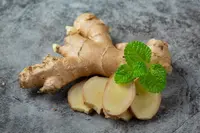
Orient buds correctly

When planting, position rhizome pieces so the growing buds (eyes) face upward and cover them with only 2–5 cm of mix, which speeds emergence and produces more uniform shoots.

Staggered harvesting

For a longer supply of fresh ginger, gently dig and remove only outer sections of mature rhizomes, then backfill with loose mix so the remaining clump can keep growing through the season.

Mulch for tender roots

Apply a 3–5 cm layer of fine bark or straw mulch around, but not directly on top of, emerging shoots to keep the shallow rhizomes cool, evenly moist, and protected from surface temperature swings.

Lift and store rhizomes

In regions with cold winters below 50°F, dig rhizomes after foliage dies back, dry them for a day, then store in slightly damp peat or coco coir at 55–60°F to preserve planting stock for the next season when growing ginger.

Common Pests and Diseases

Soft rot

This disease causes water-soaked, foul-smelling, soft decay of rhizomes, often starting from wounds or overly wet soil. Symptoms include yellowing, wilting foliage and mushy, collapsing rhizome pieces.

Solution

Discard all affected rhizomes, including any pieces that feel soft or smell sour, and do not compost them. Improve drainage, avoid waterlogging, disinfect cutting tools, and only replant firm, healthy rhizome sections in well-aerated soil after the area has dried and crop debris is removed.

Bacterial wilt

This disease leads to sudden wilting and yellowing of shoots, sometimes with brown streaks in stems and dark, discolored vascular tissue in rhizomes. Symptoms include rapid plant collapse, especially in warm, wet conditions.

Solution

Remove and destroy all affected plants and nearby rhizomes, and avoid replanting ginger in the same soil for several years. Improve drainage, reduce overwatering, control insect vectors like leafhoppers where present, and start future plantings only from certified disease-free seed rhizomes to support proper Zingiber officinale plant care.

Leaf spot

This disease produces small, water-soaked spots on leaves that expand into brown or tan lesions, often with yellow halos. Symptoms include premature leaf yellowing and reduced rhizome yield in prolonged humid conditions.

Solution

Remove and discard heavily spotted leaves to reduce spore spread, and improve airflow by avoiding overcrowding and wet foliage. Water at soil level in the morning, keep leaves dry where possible, and in persistent cases use an appropriate copper-based or other labeled fungicide according to local regulations and label directions.

Rhizome scale insects

These insects feed on rhizomes and lower stems, appearing as small, flattened, brown or white bumps that weaken plants. Symptoms include reduced vigor, stunted growth, and poor rhizome development, especially in stored or seed rhizomes.

Solution

Inspect rhizomes before planting and discard heavily infested material; gently scrub remaining rhizomes to remove attached scales and rinse well. During growth, lift and inspect plants if decline is noticed, improve plant vigor through proper watering and nutrition, and where allowed use a horticultural oil dip or systemic insecticide labeled for scale on edible ginger, following all safety and preharvest intervals.

Shoot borer

This pest is caused by caterpillars that bore into pseudostems, creating holes and tunnels that interrupt sap flow. Symptoms include yellowing or drying of central shoots and frass (sawdust-like droppings) around entry holes.

Solution

Cut and destroy infested shoots as soon as damage is noticed to remove larvae and limit spread. Use fine mesh netting or row covers in high-risk areas, keep planting areas free of grassy weeds that harbor adults, and if needed apply a targeted biological insecticide such as Bacillus thuringiensis (Bt) to young shoots according to label instructions.

Interesting Facts

Clonal field origins

Most culinary ginger worldwide comes from vegetatively propagated rhizomes, so many crops are essentially large clonal fields with very little genetic variation.

Sterile in cultivation

In major growing regions, cultivated ginger rarely sets viable seed, so its reproduction depends almost entirely on human division and planting of rhizome pieces.

Pungency from gingerols

The characteristic heat and aroma of ginger rhizomes come mainly from compounds called gingerols and their dehydration products, shogaols, which form during drying or cooking.

Botan icon

Did you know?

Archaeobotanical evidence from sites in Southeast Asia and the Indian subcontinent indicates that ginger was among the earliest spice crops deliberately transported and traded across long distances, becoming a documented commodity in ancient Greek and Roman texts more than 2,000 years ago.

FAQs about ginger

Yellowing foliage often results from natural seasonal dieback, nutrient deficiency, or stress from poor drainage. Check for soggy soil, compacted roots, or lack of fertilizer, and remove oldest leaves once new growth is established.

Grow Healthy Plants with Botan Care

Keep your plants happy and healthy with plant identification, disease detection, and easy care guidance.

Botan plant care app — identify plants on mobile

Explore More Plants