

ginger (Zingiber officinale) Watering Guide

This page explains when, how often, and how much to water Zingiber officinale in straightforward, practical terms.

Water Requirements

Keep Soil Moist

Zingiber officinale Watering

Native to tropical Asia with seasonal rains, Zingiber officinale grows where soil stays lightly moist but not waterlogged. For watering ginger, think of steady, moderate moisture rather than extremes of drought or saturation.

Indoors, the goal is a gently and consistently damp potting mix; outdoors, garden-grown ginger usually tolerates brief surface drying. This section outlines how to water ginger in simple terms before moving into finer adjustments for different conditions.

Water when the top 1–2 inches (3–5 cm) of soil feel dry, as Zingiber officinale prefers evenly moist but not soggy conditions. Indoors, this typically means watering about every 5–10 days during active growth, with shorter intervals in warm, bright conditions and longer gaps in cooler, lower light seasons.

Water ginger when the top 1-2 inches (3-5 cm) of soil feel dry, aiming for deep, even soil moisture.

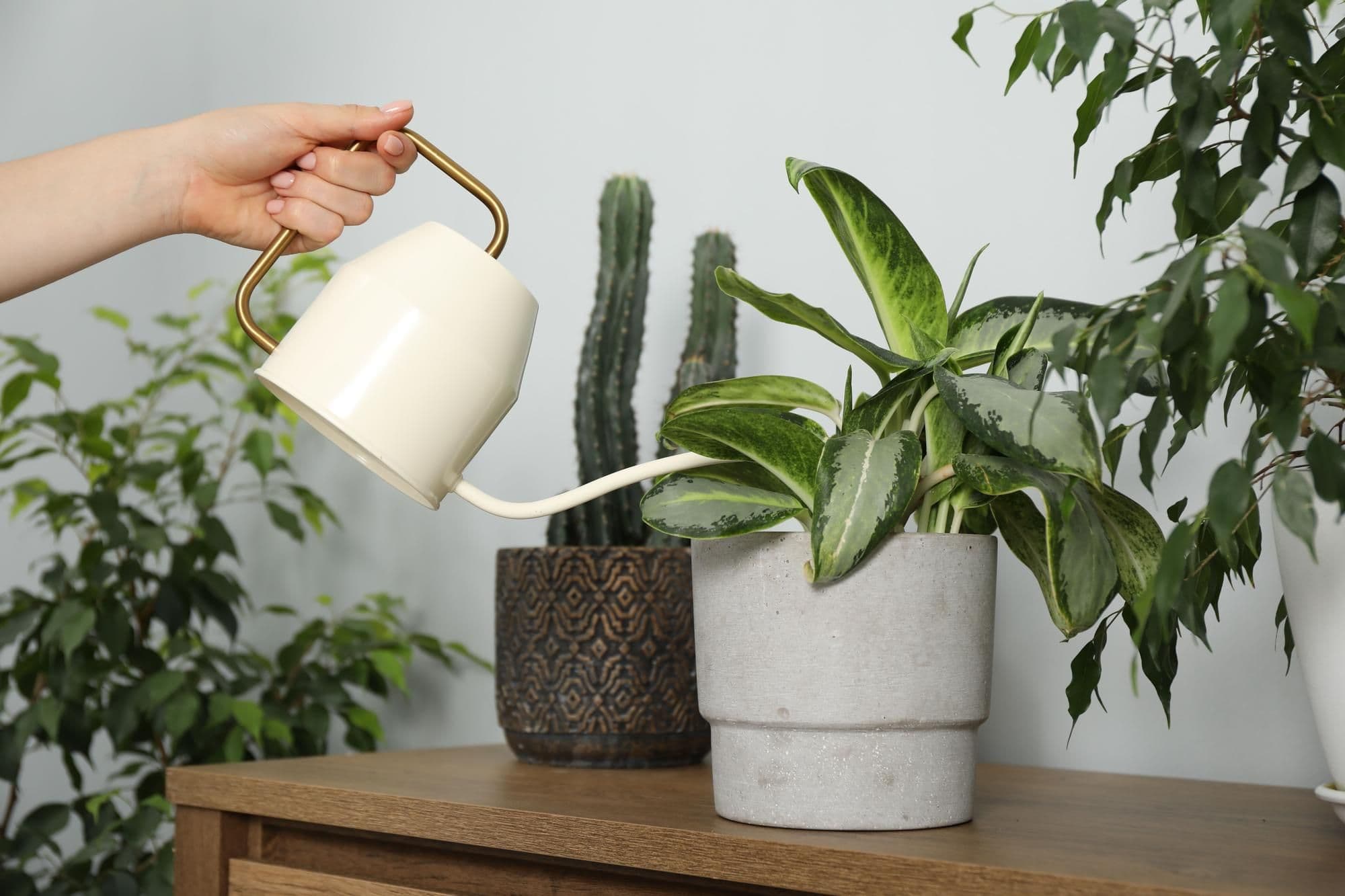
  • Pour room-temperature water slowly over the soil surface, circling the pot so moisture spreads evenly through the root zone.
  • Continue watering until a small, steady trickle drains from the bottom, then stop to avoid waterlogging the container mix.
  • Empty saucers or cachepots within 10–15 minutes so the rhizomes sit in moist, not saturated, conditions.
  • Keep water directed at the soil only; avoid soaking stems or emerging shoots to reduce prolonged surface wetness around growth points.

Incorrect moisture levels disturb Zingiber officinale growth and health, stressing foliage and underground rhizomes.

Yellowing Lower Leaves:

Older leaves fade yellow from chronically soggy soil, signaling reduced root function and oxygen starvation.

Soft, Browning Rhizomes:

Underground stems turn mushy and brown under prolonged waterlogging, encouraging destructive fungal and bacterial decay.

Leaf Tips Browning:

Crisp brown tips arise when shallow watering or excessive drying prevents consistent root access to moisture.

Stunted, Sparse Shoots:

Weak, thin canes reflect compacted or poorly draining soil that keeps roots wet yet poorly aerated.

Wilting In Damp Soil:

Drooping foliage despite moist mix indicates root damage from standing water and progressive rot.

Keep soil evenly moist in a loose, well-draining mix, avoiding extremes of saturation or dryness.

Unsuitable watering habits disturb Zingiber officinale’s shallow, growing rhizomes, reducing foliage growth and harvest quality over the season.

  • Rigid watering schedule: Watering by calendar instead of checking topsoil moisture keeps the mix either chronically wet or too dry for rhizome health.
  • Heavy, compact soil: Planting in dense garden soil traps water around rhizomes; use a loose, chunky mix that drains yet holds light moisture.
  • Poor container drainage: Using pots without large holes or a breathable material slows drainage; choose containers that release excess water quickly.

Aim for evenly moist, well‑drained soil around the rhizomes, adjusting watering and setup to changing light, temperature, and pot conditions.

  • Spring: Increase watering as new shoots emerge, keeping soil lightly moist and avoiding waterlogging while temperatures and growth gradually rise.
  • Summer: During peak leafy growth and heat, water more deeply and often, ensuring consistent moisture but allowing the top surface to dry slightly.
  • Fall: As foliage begins to yellow and growth slows, reduce watering so the soil stays just barely moist around developing rhizomes.
  • Winter: When tops die back and rhizomes rest, water sparingly and only enough to prevent the soil from drying out completely.

Your ginger Care Companion

Use the Botan app for a clear watering guide and simple care steps for Zingiber officinale. It can also review plant photos to help spot early leaf and stem issues.

Botan plant care app — identify plants on mobile

Interesting Watering Facts

Monsoon-driven growth

Wild and traditionally field-grown Zingiber officinale starts vigorous shoot and rhizome growth with the onset of monsoon rains, then slows as soils dry toward the cool season. This rhythm underlies the common practice of giving more water in active summer growth and easing off near harvest.


Rhizomes dislike saturation

The thick rhizomes of Zingiber officinale store starch and moisture but are highly prone to rot in waterlogged soil, especially when temperatures are warm. In cultivation it performs best in evenly moist, fast-draining soil rather than standing water or heavy, compacted ground.

FAQ

Check the top 1–2 inches (3–5 cm) of soil; if it feels dry and loose, it is time to water. Slightly drooping leaves or soil pulling from the pot edges also signal thirst.

More Plant Watering Guides

Is Your Watering Routine Hurting Your ginger?

Botan quickly reviews your watering pattern so adjustments stay simple and confident.

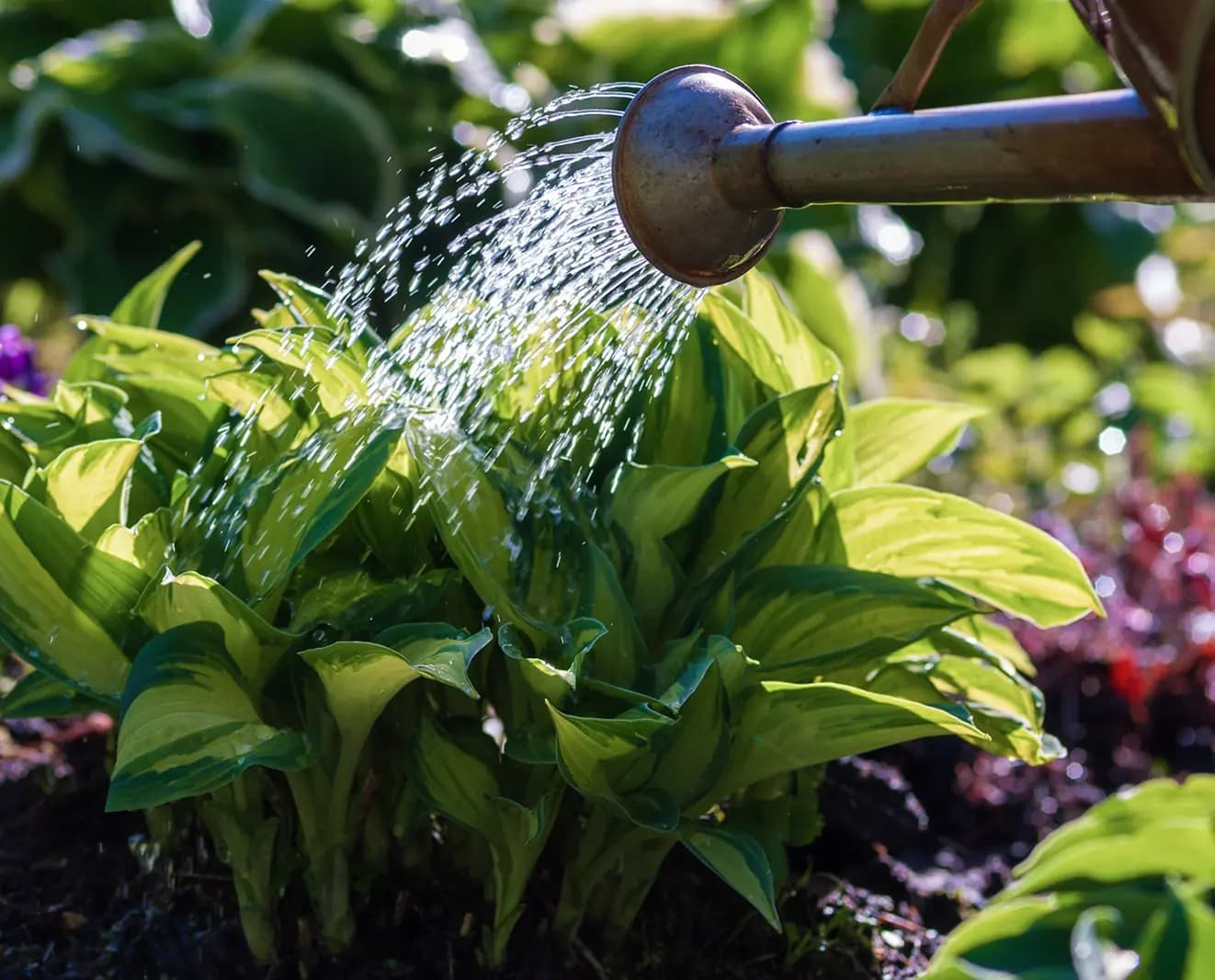
Watering a plant with a copper watering can
How to Water Houseplants: Watering Guide

7 min read · 24 Aug 2026

How to Water Houseplants: Watering Guide

Learn how often to water indoor plants, key factors for proper watering, and how to adjust the care routine by plant type, season, pot size, light, and indoor conditions.

Plant Care
How to Water Houseplants: Watering Guide
Plant Pot Sizes: How to Choose the Right Plant Container

7 min read · 20 Aug 2026

Plant Pot Sizes: How to Choose the Right Plant Container

Plant pot sizes can be confusing because the number on the label only tells you part of the required information. A container may look spacious but actually be too shallow. So, how to choose pot size for plant species?

Beginner Guides
Plant Pot Sizes: How to Choose the Right Plant Container
Best Fertilizer for Grass in Summer: How to Choose the Right One

6 min read · 18 Aug 2026

Best Fertilizer for Grass in Summer: How to Choose the Right One

The right fertilizer in summer can make a lawn thrive. The wrong one can damage it. Here, you’ll learn the best NPK ratios by grass type, when and how to apply your formula, and how to recognize the signs of over- or under-fertilizing.

Plant Care
Best Fertilizer for Grass in Summer: How to Choose the Right One