
potato (Solanum tuberosum) Watering Guide

This page explains when, how often, and how much to water Solanum tuberosum in straightforward, practical terms.

Water Requirements

Regular Water

Solanum tuberosum Watering

In well-drained, temperate fields, Solanum tuberosum evolved with moderate rainfall and brief dry spells between showers. For watering potato crops, think of steady soil moisture that never becomes waterlogged or bone dry.

This crop prefers slightly moist, evenly hydrated soil rather than frequent, shallow splashes or long, harsh droughts. Outdoor ground-grown plants generally rely on broader soil moisture patterns, while container potatoes need closer, more consistent attention.

Check the soil and water when the top 1–2 inches (3–5 cm) feel dry and crumbly; in the ground this typically means every few days in warm weather, less often in cool, rainy periods. Outdoor potato plants in hot, windy, or very sunny conditions may need more frequent watering than those in cooler or shaded spots.

Water potato when the top 1-2 inches (3-5 cm) of soil feel dry, using slow, even moisture over the root zone.

  • Direct a gentle flow of water at the base of the plants, keeping foliage and developing tubers as dry as possible.
  • Apply water slowly so it soaks 6-8 inches (15-20 cm) deep, fully moistening the main root and tuber zone.
  • Use furrows or drip lines between rows to deliver moisture evenly without pooling around stems or exposing tubers.
  • Ensure soil drains freely after watering and redirect or drain away any standing water between rows or in low spots.

Improper moisture can disrupt Solanum tuberosum growth, reducing vigor and leading to avoidable stress.

Yellowing Lower Leaves:

Older leaves yellow and drop prematurely when roots experience alternating waterlogging and extended dryness cycles.

Soft Rotting Tubers:

Stored or in-ground tubers become soft and foul-smelling when soil stays saturated and poorly aerated.

Powdery Scab Pustules:

Corky, raised lesions develop on tubers when prolonged soil wetness favors infection by scab pathogens.

Cracked Misshapen Tubers:

Uneven watering after dry periods causes rapid tuber swelling, splitting skins and distorting overall shape.

Sunken Brown Stems:

Stems darken and collapse from soil-borne rot organisms thriving in persistently oversaturated beds.

Keep soil consistently moist but not waterlogged, using deep, even watering and reliable drainage throughout growth.

Poor watering habits disturb Solanum tuberosum growth, reducing tuber quality and increasing stress from moisture swings in the root zone.

  • Rigid calendar schedule: Following the same calendar schedule ignores weather and soil changes; instead, check soil moisture and adjust timing to current conditions.
  • Watering into compacted soil: Using dense, poorly drained soil keeps roots saturated; choose loose, crumbly soil so excess water moves away from tubers.
  • Letting containers sit in runoff: Leaving pots in full saucers re-saturates the mix; empty saucers after drainage so roots can re-oxygenate between waterings.

Aim for evenly moist, well-drained soil that dries slightly between waterings, guided by soil feel and seasonal conditions, not habit.

  • Spring: Increase moisture as new shoots emerge, keeping soil evenly damp but not waterlogged while stems and early tubers develop.
  • Summer: Watch for rapid drying in heat; water deeply when the top layer dries, then let excess drain to protect forming tubers.
  • Fall: Reduce watering once foliage yellows and tops die back, allowing soil to dry more between waterings to cure maturing tubers.
  • Winter: For stored seed tubers, keep in a cool, dry, slightly humid place and avoid direct watering to prevent rot.

Your potato Care Companion

Use Botan for a clear watering guide and simple care steps for Solanum tuberosum, plus gentle photo-based checkups that help notice leaf spots, pests, or stress early.

Botan plant care app — identify plants on mobile

Interesting Watering Facts

Shallow, Thirsty Roots

Cultivated potato has a relatively shallow root system, so it relies heavily on consistent soil moisture in the top 6–12 inches (15–30 cm) during tuber bulking. Uneven watering at this stage is linked in research to issues like knobbiness and growth cracks in the tubers.


Dry‑Down Before Harvest

Field studies show that reducing or stopping irrigation in the final 1–2 weeks before harvest helps skins set and lowers the risk of storage diseases. Excess water late in the season can delay skin maturity and increase losses during storage.

Water Stress and Tuber Yield

Experimental trials demonstrate that even short periods of water stress during stolon and early tuber formation can sharply reduce yield, while moderate stress later in the season has less impact. This timing sensitivity shapes irrigation schedules in commercial potato production.

FAQ

Water by soil moisture, not pot size. Apply enough to moisten all soil until a little drains out, then let the top 1–2 inches dry slightly before watering again. Deep, infrequent watering encourages stronger roots.

More Plant Watering Guides

Is Your Watering Routine Hurting Your potato?

Botan reviews your watering routine and flags when adjustments may be needed.

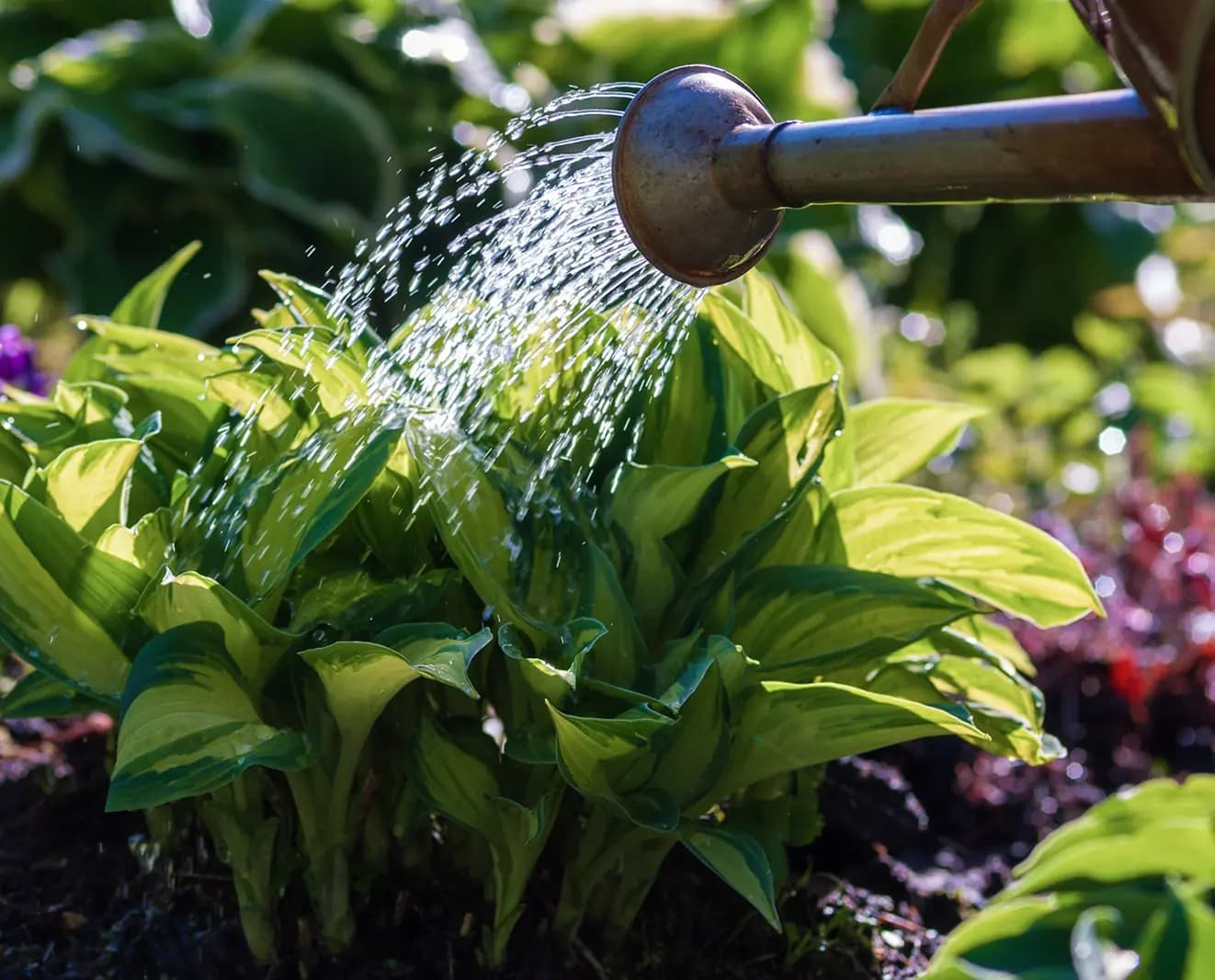
Watering a plant with a copper watering can
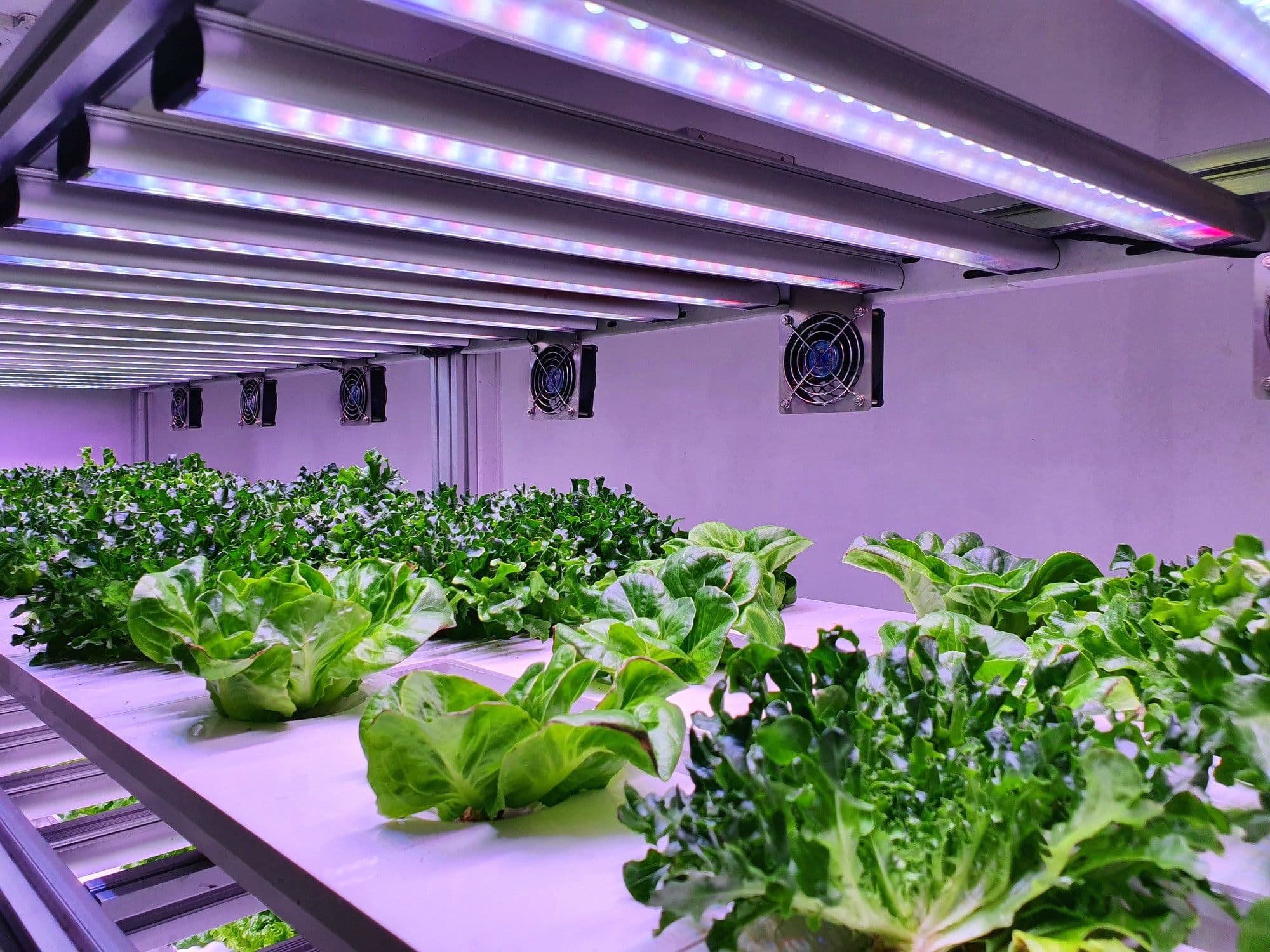
Can Plants Grow With Artificial Light?

6 min read · 15 Sept 2026

Can Plants Grow With Artificial Light?

Plants can grow under artificial light when the setup provides a suitable spectrum, enough intensity, and sufficient daily exposure. This guide explains how artificial lighting compares with sunlight, which options work indoors, and how to match a setup to houseplants.

Plant Care
Can Plants Grow With Artificial Light?
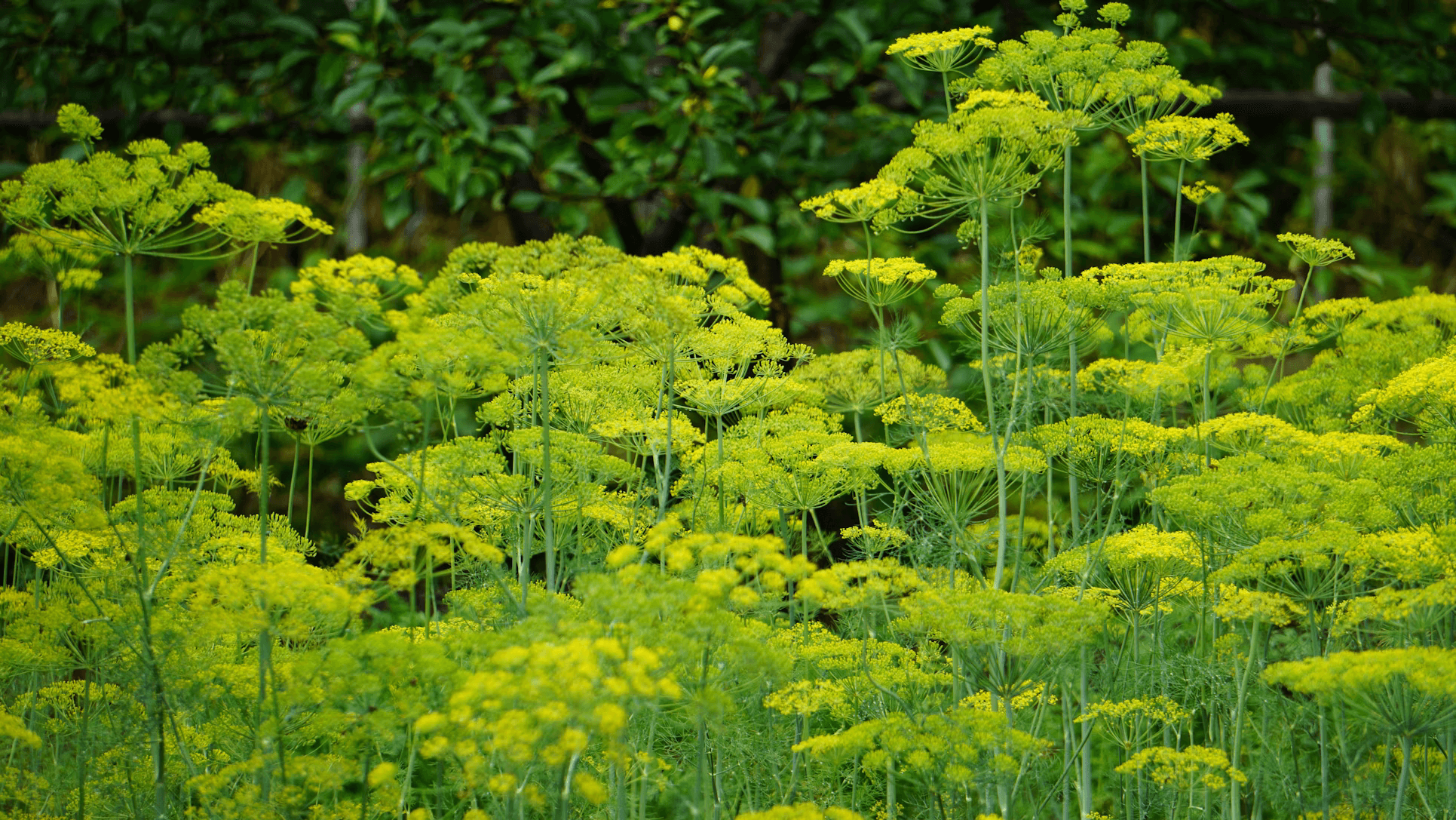
Dill Companion Plants – What to Grow Next to Dill

9 min read · 17 Jul 2026

Dill Companion Plants – What to Grow Next to Dill

Dill is an easy-to-grow plant that gets along well with many vegetables. This guide describes 15 plants that can be planted alongside it, a few to avoid, and mistakes that can quietly sabotage the entire process.

Plant Recommendations
Dill Companion Plants – What to Grow Next to Dill
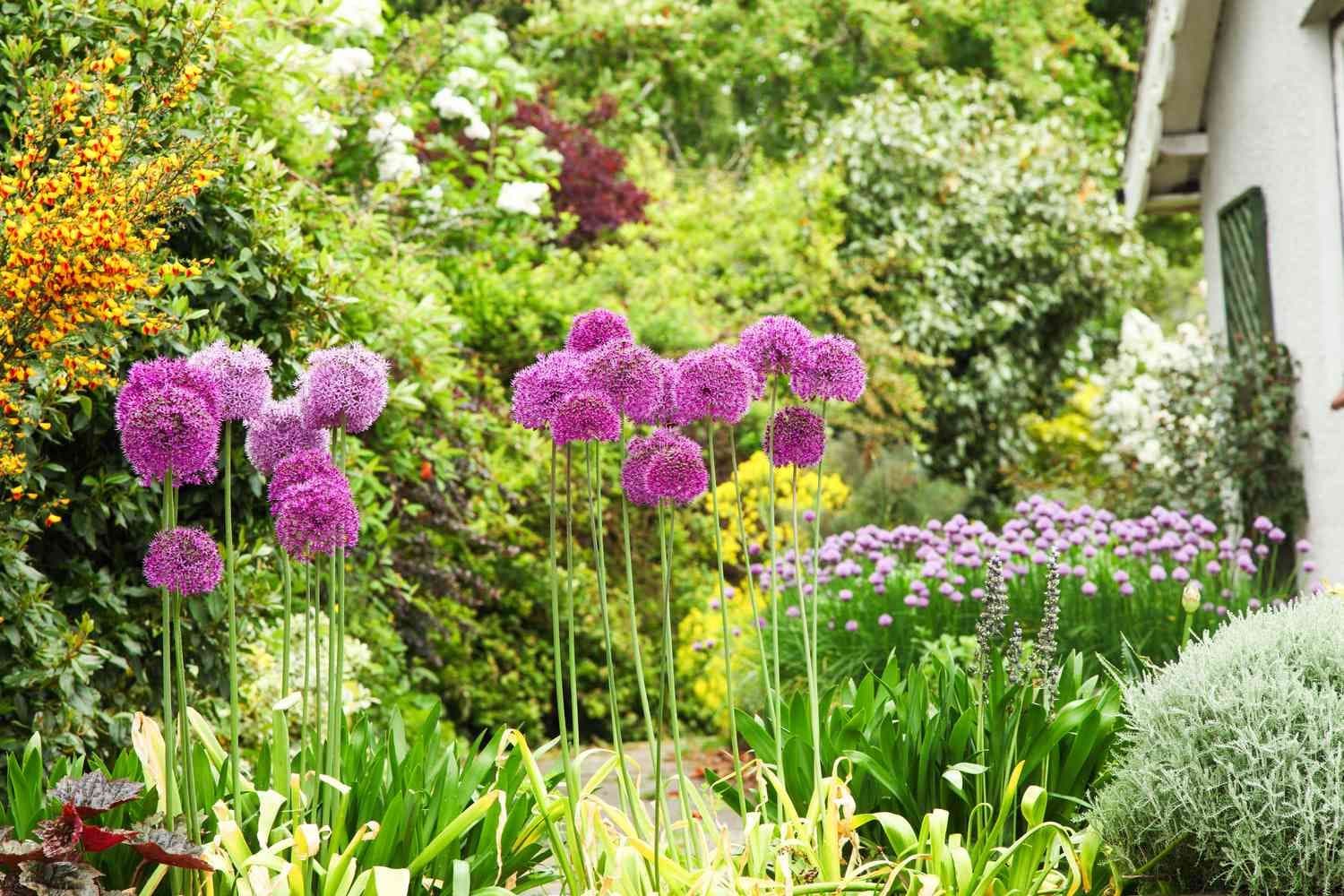
Plants That Repel Bugs – 20 Effective Options

12 min read · 16 Jul 2026

Plants That Repel Bugs – 20 Effective Options

Mosquitoes on the patio? Gnats in the kitchen? Some plants keep them away with the scent of their own leaves. Here are 20 that deal with mosquitoes, flies, aphids, and more, plus where to put them so they help.

Plant Recommendations
Plants That Repel Bugs – 20 Effective Options