tomato plant (Solanum lycopersicum) Watering Guide

This page explains when, how often, and how much to water Solanum lycopersicum in practical, straightforward terms.

Water Requirements

Regular Water

Solanum lycopersicum Watering

Native to seasonally dry Andean regions, Solanum lycopersicum is adapted to moderate, not constant, soil moisture. In gardens, watering tomato plant care centers on keeping soil evenly moist, avoiding long soggy or bone-dry stretches.

Think of a steady, moderate supply of water that supports active growth without waterlogging the root zone. In-ground tomatoes rely more on natural rainfall, while containers usually need closer monitoring to understand how to water tomato plant effectively.

Water when the top 1–2 inches (3–5 cm) of soil feel dry, rather than on a fixed schedule. In warm growing weather, Solanum lycopersicum in the ground typically needs watering about every 2–4 days, while containers often dry faster, especially in full sun or windy outdoor conditions.

Water when the top 1-2 inches (3-5 cm) of soil feel dry; keep tomato plant moisture steady without saturating.

  • Pour water slowly at the soil line around the base, avoiding wetting leaves and stems as much as possible.
  • Soak the root zone deeply until water runs from drainage holes, encouraging roots to grow downward for stability.
  • Allow excess water to drain completely from pots or beds, ensuring the container or soil does not stay waterlogged.
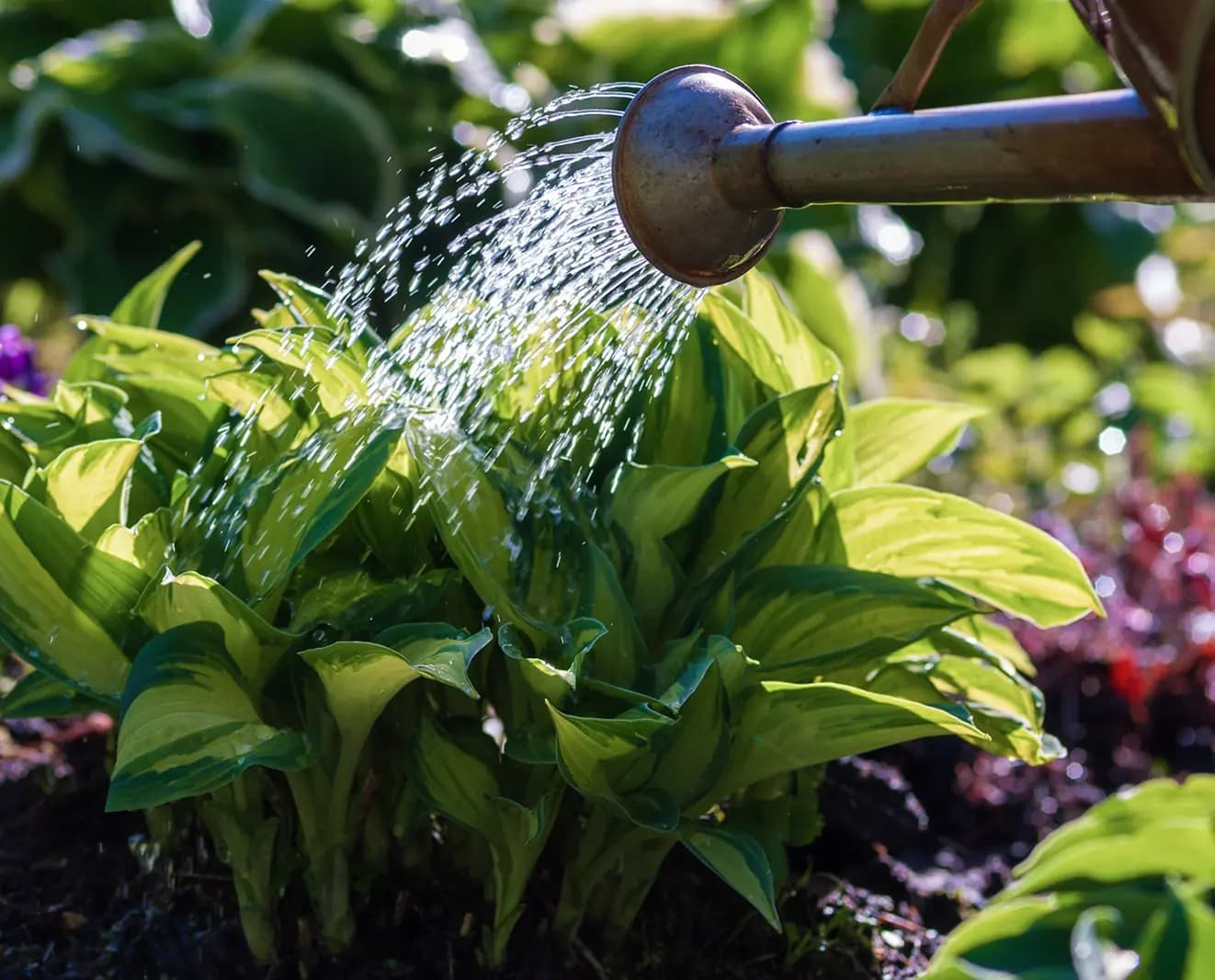
  • Use a watering can or drip line to deliver a gentle, targeted stream that does not disturb soil or expose roots.

Incorrect moisture levels can disrupt Solanum lycopersicum growth and trigger several avoidable physiological problems.

Blossom-End Rot:

Sunken, dark spots on fruit tips signal inconsistent watering leading to poor calcium movement within tissues.

Fruit Cracking:

Radial or concentric splits appear on ripening fruit after sudden heavy watering following dryness.

Leaf Yellowing And Wilting:

Lower leaves yellow, then droop when roots suffer from prolonged soggy soil and reduced oxygen.

Root Rot:

Brown, mushy roots with sour odor develop in compacted, waterlogged soil lacking adequate drainage.

Slow, Stunted Growth:

Short internodes and small leaves often reflect frequent light watering that never moistens deeper roots.

Keep soil evenly moist with deep, infrequent watering and well-drained conditions to support balanced root function.

Unsuitable watering habits can stress Solanum lycopersicum, weakening growth, reducing fruit quality, and increasing disease risk throughout the season.

  • Following a fixed schedule: Watering by calendar instead of checking soil moisture can drown or dry roots; test the top soil and adjust timing.
  • Using poorly drained soil: Dense, compact mixes trap excess water around roots; choose a loose, chunky, well-aerated blend formulated for vegetables or containers.
  • Letting runoff sit in saucers: Leaving pots in standing water keeps roots saturated; empty saucers shortly after watering so excess can drain away.

Aim for deep, periodic watering into a freely draining mix, guided by actual soil moisture rather than routine or guesswork.

  • Spring: As growth and flowering ramp up, keep soil evenly moist, checking often during windy or rapidly warming periods that dry beds and containers faster.
  • Summer: In hot spells, water deeply and more frequently, focusing on morning irrigation and mulched roots to offset intense heat and faster evaporation.
  • Fall: As temperatures cool and fruiting slows, slightly reduce watering, allowing the top layer to dry more between soakings to limit cracking.
  • Winter: In frost‑free climates, water sparingly based on rainfall; where plants die back, routine watering generally stops once vines are removed.

Track Watering. Catch Problems Early

Use Botan for a clear watering guide and simple care steps for your tomato plant. The app can also review plant photos to help spot issues before they spread.

Botan plant care app — identify plants on mobile

Interesting Watering Facts

Drought-tolerant ancestry

Cultivated tomato descends from wild coastal populations in arid western South America, where plants experienced dry seasons and irregular rain. This origin helps explain its moderate drought tolerance compared with many leafy vegetables, especially once roots are deep and flowering has begun.


Flavor shifts with stress

Water stress in Solanum lycopersicum can raise soluble solids and some aroma compounds in fruits, concentrating sugars and acids. Mild, managed drought often improves flavor intensity, while severe or erratic stress increases defects such as blossom-end rot and fruit cracking.

Irregular watering and cracking

Tomato fruit often crack after a dry spell followed by heavy rain or sudden deep watering. The skin cannot expand quickly enough when previously dehydrated tissues rehydrate and swell, leading to radial or concentric splits, especially in large-fruited and thin-skinned cultivars.

FAQ

Either method works if roots are evenly moistened and foliage stays mostly dry. Many growers top-water slowly at soil level, avoiding splashing leaves, which helps reduce leaf diseases common with tomato plant watering.

Everything About tomato plant

More Plant Watering Guides

Is Your Watering Routine Hurting Your tomato plant?

Botan reviews your watering pattern so you can adjust with more confidence.

Watering a plant with a copper watering can
12 Best Plants That Repel Spiders For Your Home and Garden

8 min read · 24 Jul 2026

12 Best Plants That Repel Spiders For Your Home and Garden

Spiders constantly appear in places you don't want them. A few common plants can help repel them using scent alone. Here are 12 options suitable for both indoors and outdoors, plus care tips for each.

Plant Recommendations
12 Best Plants That Repel Spiders For Your Home and Garden
Plants That Repel Mosquitoes – 10 Effective Choices

8 min read · 6 Jul 2026

Plants That Repel Mosquitoes – 10 Effective Choices

Plants that repel mosquitoes can help mask human scent naturally and make outdoor spaces more comfortable. Explore the most effective options, their benefits and drawbacks, and choose the right plant for your space.

Plant Recommendations
Plants That Repel Mosquitoes – 10 Effective Choices
Best Bedroom Plants – Top 10 to Grow in Your Space

8 min read · 8 Jul 2026

Best Bedroom Plants – Top 10 to Grow in Your Space

Discover the top 10 houseplants that are suitable for growing in your bedroom. Compare their light and water needs, pet safety, and benefits. Find out where best to place greenery in your relaxation space and what species to avoid.

Plant Recommendations
Best Bedroom Plants – Top 10 to Grow in Your Space