Deep taproot drought strategy
The common sunflower develops a strong taproot that can access moisture over 6 ft (about 2 m) deep in suitable soils, which helps the plant tolerate dry periods once established compared with many other annual crops.

This page explains when, how often, and how much to water Helianthus annuus in straightforward, practical terms.

Water Requirements
Moderate Water

In full sun and open fields, Helianthus annuus experiences moderate rain followed by periods of drier soil. For watering Sunflower, aim for a balance that supports strong growth without keeping the ground saturated.
This plant prefers soil that is slightly moist but allowed to dry a bit between sessions. Outdoor plants usually handle brief dryness better than those in containers, which rely more on attentive, consistent watering.
Water when the top 1–2 inches (3–5 cm) of soil feel completely dry, both in pots and in the ground. Helianthus annuus typically needs water about every 3–7 days in warm growing weather, with shorter intervals in hot, windy sites and longer intervals in cooler or partially shaded conditions.
Water Sunflower when the top 1-2 inches (3-5 cm) of soil feel dry, using slow, deep soaking for strong roots.
Incorrect moisture balance often stresses Helianthus annuus and leads to avoidable growth setbacks.
Plants droop midday when soil is dry and hot, indicating underwatering or insufficient root establishment.
Old leaves turn pale and drop when soil stays soggy, restricting oxygen around roots.
Buds remain small or fail to open when inconsistent watering disrupts rapid stem and bud expansion.
Base becomes mushy and unstable after prolonged waterlogged conditions in heavy, poorly drained soil.
Hardened, split soil signals infrequent deep watering and fast drying, limiting reliable moisture uptake.
Maintain evenly moist, well-drained soil with deep, infrequent watering that encourages robust, drought-tolerant roots.
Poor watering habits reduce Helianthus annuus vigor, limiting flowering and making sunflower stems weak, shallow-rooted, and wind-sensitive.
Base watering on soil dryness, container drainage, and weather, encouraging deep, infrequent drinks that support sturdy growth and flowering.
Watering Advice
Learn when to water your plant and avoid common watering mistakes.
Use Botan to get a clear watering guide and simple care steps for your Helianthus annuus. The app can also review plant photos to help identify early stress or disease signs.
The common sunflower develops a strong taproot that can access moisture over 6 ft (about 2 m) deep in suitable soils, which helps the plant tolerate dry periods once established compared with many other annual crops.
Mature sunflower stands can transpire large volumes of water on hot, sunny days, so agricultural trials show that seed yield responds strongly to consistent soil moisture during the flowering and grain-filling stages.
Irrigation studies in arid regions show that this species can maintain growth and seed production under moderately saline water conditions, which is why it is sometimes used as a test or rotation crop where irrigation water quality is marginal.
Water deeply, allowing moisture to reach the full root zone, then drain excess. Keep soil evenly moist, not soggy, for the next 1–2 weeks. Trim only fully dead leaves and protect from strong heat while it recovers.
Botan reviews your plant’s watering pattern so adjustments are easier to make.
8 min read · 14 Aug 2026
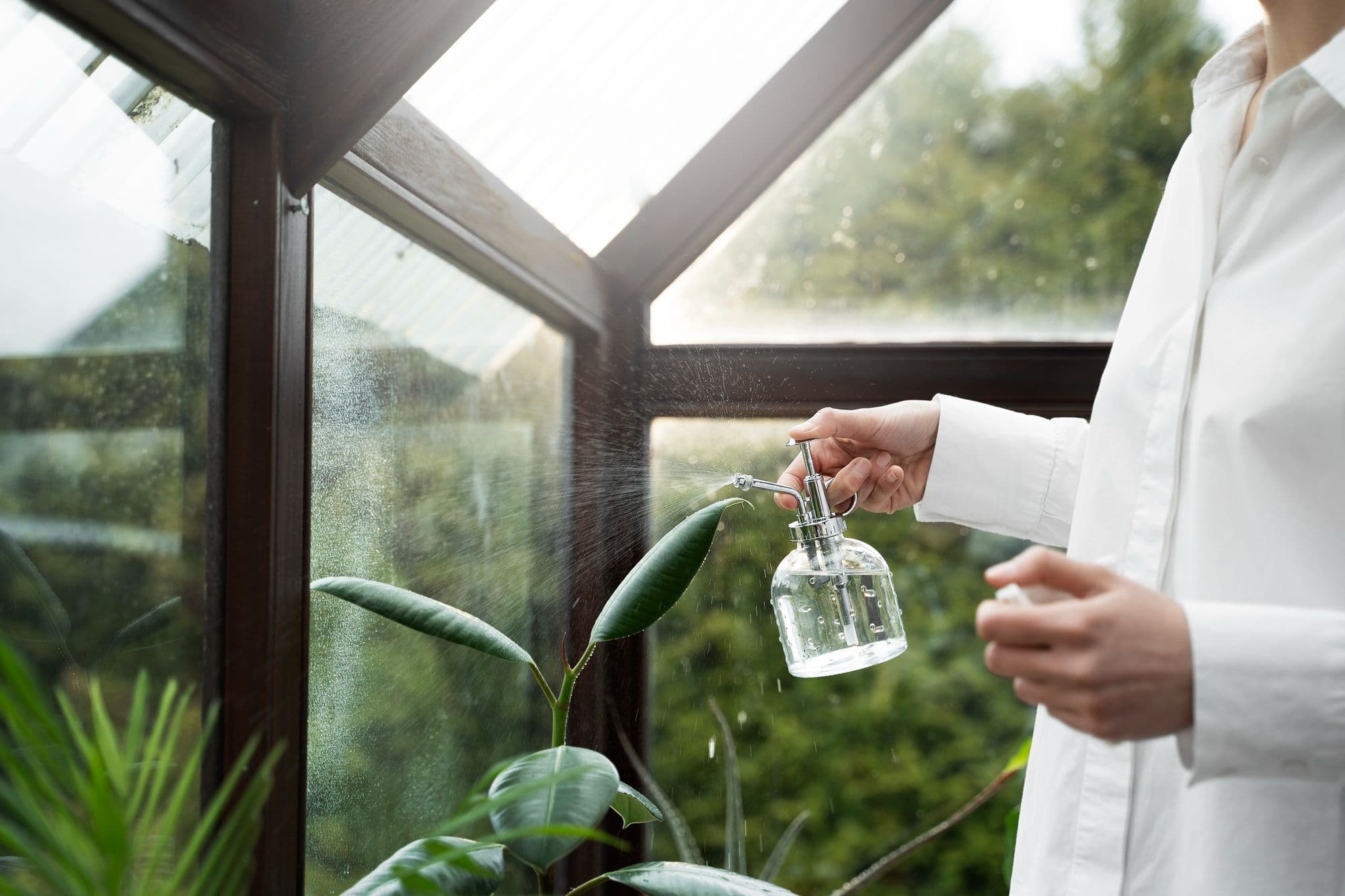
Dry indoor air stresses a lot of houseplants. You usually notice it first in the browning leaf tips. This guide describes 8 simple ways to raise the moisture around your plants, from humidifiers to pebble trays.
8 min read · 17 Sept 2026
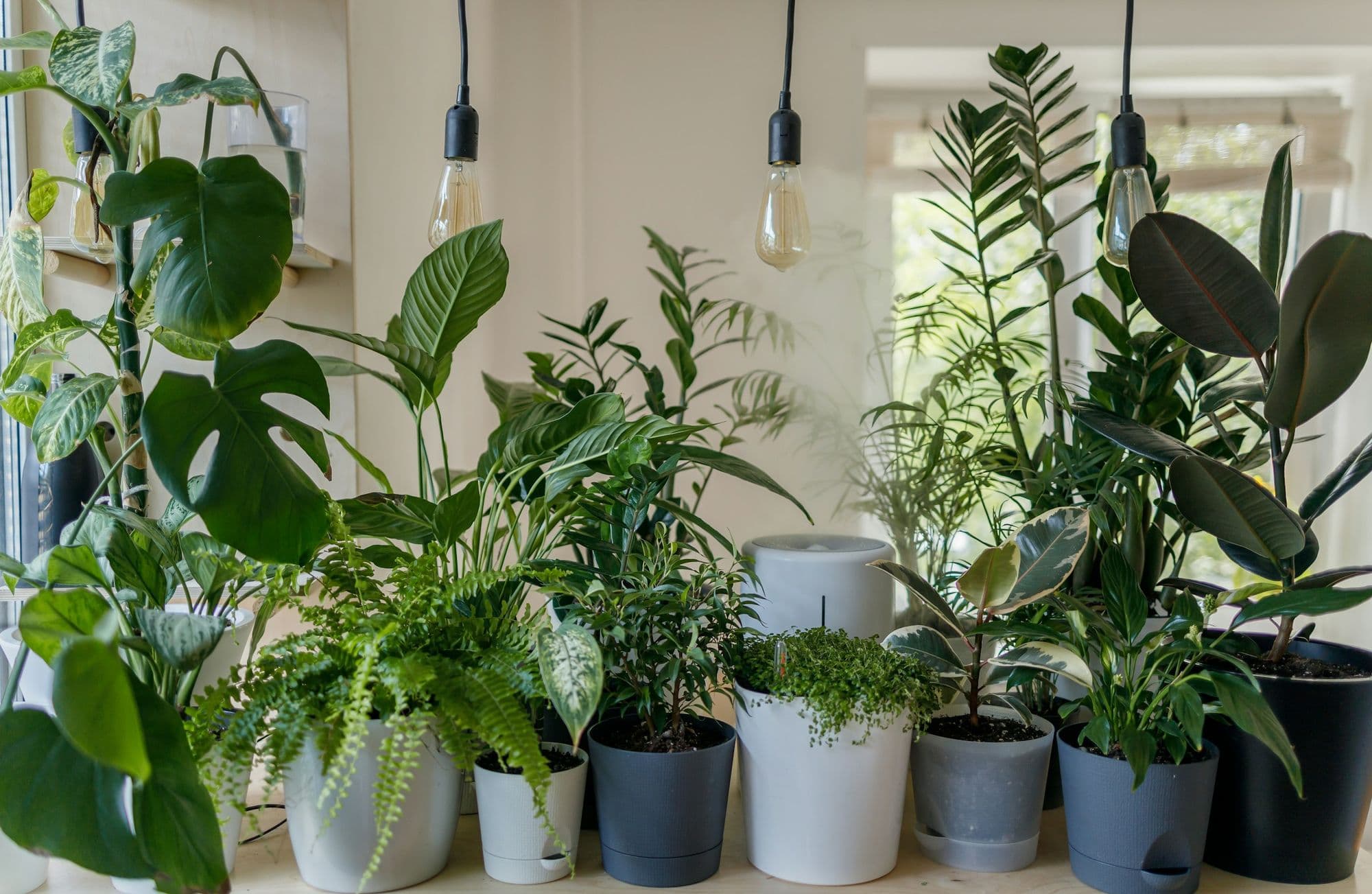
Some plants thrive in dim rooms, shaded corners, and places with indirect light. In this guide, you’ll explore the top 15 species best suited to low-light conditions and how to care for them.
8 min read · 6 Jul 2026
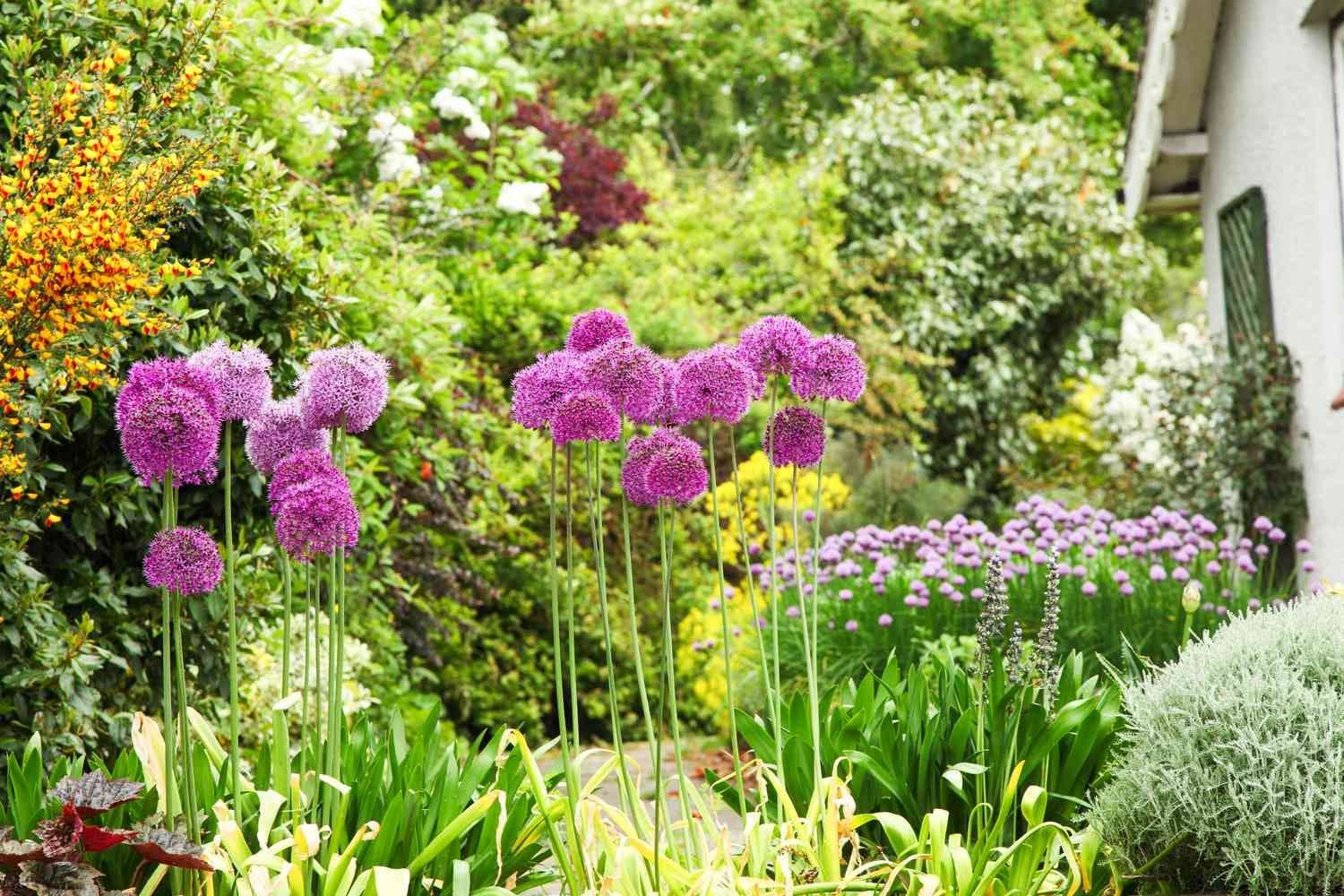
Plants that repel mosquitoes can help mask human scent naturally and make outdoor spaces more comfortable. Explore the most effective options, their benefits and drawbacks, and choose the right plant for your space.