Hyacinth (Hyacinthus orientalis) Watering Guide

This page explains when, how often, and how much to water Hyacinthus orientalis so you can maintain steady moisture.

Water Requirements

Moderate Water

Hyacinthus orientalis Watering

In cultivation, fragrant garden hyacinths prefer soil kept slightly moist around their bulbs, not persistently wet. Their Eastern Mediterranean origins mean natural moisture comes in cool, moderate seasonal rainfall rather than constant saturation.

Hyacinthus orientalis performs best when watering Hyacinth follows this gentle, in‑between approach. Indoors, conditions dry faster than outdoor beds, so monitoring surface dryness matters more than any fixed schedule.

Water when the top 1–2 inches (3–5 cm) of soil feel dry, a key sign Hyacinthus orientalis is ready for more moisture. During active growth indoors, this usually means about once a week, but bright light or warm indoor temperatures can shorten the interval between waterings.

Water Hyacinth when the top 1-2 inches (3-5 cm) of soil feel dry, aiming for even, moderate moisture.

  • Pour room-temperature water slowly onto the soil surface around the bulb, avoiding direct contact with the crown and leaves.
  • Moisten the soil thoroughly until excess begins draining from the pot’s holes, ensuring the full root zone is evenly damp.
  • Allow the container to drain completely, then empty any saucer or cachepot so the base of the pot does not sit in water.
  • For bulbs grown in water glasses, keep only the roots submerged, maintaining a small air gap below the bulb base.

Incorrect moisture levels disrupt Hyacinthus orientalis growth, leading to avoidable stress and decline over time.

Yellowing Foliage:

Leaves fade from bright green to dull yellow when soil stays wet and drainage is poor.

Soft Bulbs:

Bulbs feel mushy or collapse after prolonged saturation in heavy, airless potting soil.

Stunted Flower Spikes:

Short, sparse blooms develop when bulbs experience repeated drought between waterings during active growth.

Moldy Soil Surface:

White or gray fuzz appears on compost kept constantly damp in low-airflow indoor locations.

Keep the bulb zone evenly moist, never soggy, allowing only light drying between thorough waterings.

Unsuitable watering habits can quickly weaken Hyacinthus orientalis, because compact bulbs and shallow roots are sensitive to excess moisture patterns.

  • Following a fixed schedule: Watering on the same calendar schedule ignores seasonal changes; instead, water only when the top soil layer feels dry to the touch.
  • Using heavy, dense soil: Planting in dense or garden soil traps water around bulbs; choose a loose, gritty, well-draining mix designed for container bulbs.
  • Leaving water in saucers: Allowing pots to stand in runoff keeps bulbs wet for hours; empty saucers promptly so excess moisture can fully drain.

Safer watering for hyacinth means letting the mix partly dry between soakings while ensuring quick drainage around the bulb and roots.

  • Spring: Water when the top inch of soil dries as leaves and flowers develop, avoiding splashing the bulb or crown directly.
  • Summer: After foliage yellows and dies back, keep bulbs in very lightly moist to almost dry soil, never soggy, to prevent rot during storage.
  • Fall: Newly planted bulbs outdoors need a thorough watering after planting, then only occasional moisture if drought persists before consistent cold arrives.
  • Winter: For forced indoor bulbs, water sparingly but regularly, keeping soil just lightly moist as roots grow and shoots emerge in cool conditions.

Get Your Hyacinth Watering Schedule

Use Botan for a clear watering guide and simple care routines for Hyacinthus orientalis, plus gentle photo-based checks that help flag leaf, bulb, or soil problems early.

Botan plant care app — identify plants on mobile

Interesting Watering Facts

Winter–spring moisture rhythm

In its native eastern Mediterranean range, this species experiences wet winters and springs followed by hot, dry summers, so the bulbs are adapted to moist soil only during active growth and prefer markedly drier conditions in summer dormancy.


Bulb tolerates brief saturation

The cultivated forms used in gardens and forcing tolerate short periods of saturated soil during early spring melt and rain, but the fleshy bulb is prone to rot if heavy, wet conditions persist into warmer temperatures.

FAQ

Yes. Constantly wet roots lack oxygen and are prone to rot. After watering, empty the saucer within 15–20 minutes so excess moisture can drain away and the bulb base stays relatively dry.

More Plant Watering Guides

Is Your Watering Routine Hurting Your Hyacinth?

Use Botan to see if your plant’s watering routine needs adjustment.

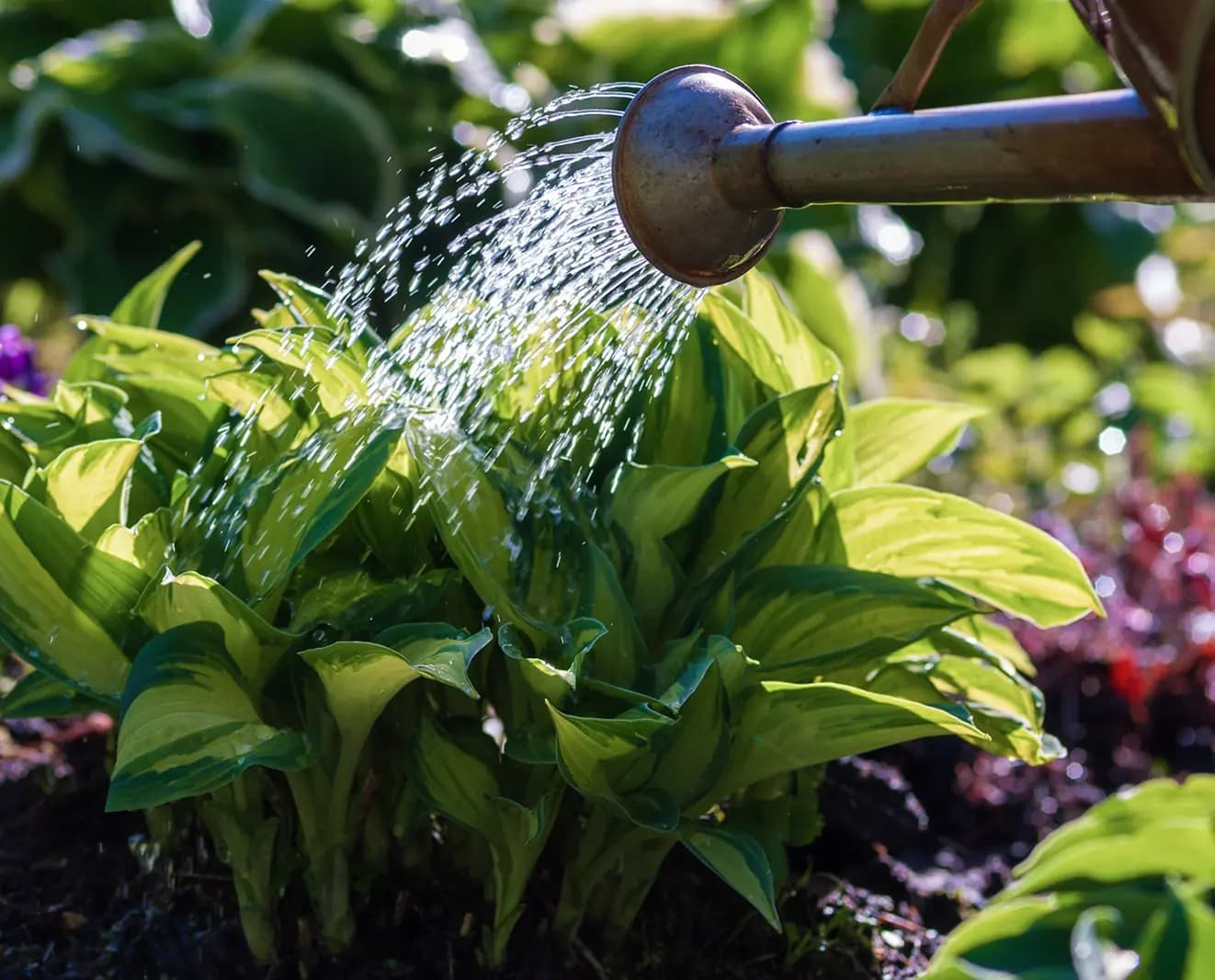
Watering a plant with a copper watering can
How to Clean Plant Leaves: A Simple Care Guide

6 min read · 4 Aug 2026

How to Clean Plant Leaves: A Simple Care Guide

Dusty leaves look dull and don't absorb light well. Below, you'll find simple ways to clean them, which tools are truly effective, how often you should do it, and what causes damage.

Beginner Guides
How to Clean Plant Leaves: A Simple Care Guide
How to Group Plants in Landscaping: A Practical Layout Guide

8 min read · 31 Aug 2026

How to Group Plants in Landscaping: A Practical Layout Guide

Good plant grouping can mean the difference between a well-planned garden and one that looks sloppy. This guide explores layers, spacing, cluster shapes, and the plants that thrive when you group them.

Plant Care
How to Group Plants in Landscaping: A Practical Layout Guide
Can Plants Grow With Artificial Light?

6 min read · 15 Sept 2026

Can Plants Grow With Artificial Light?

Plants can grow under artificial light when the setup provides a suitable spectrum, enough intensity, and sufficient daily exposure. This guide explains how artificial lighting compares with sunlight, which options work indoors, and how to match a setup to houseplants.

Plant Care
Can Plants Grow With Artificial Light?