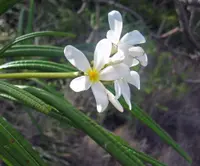
nosegaytree (Plumeria alba) Watering Guide

This page explains when, how often, and how much to water Plumeria alba in straightforward, practical terms.

Water Requirements

Moderate Water

Plumeria alba Watering

This sun-loving shrub comes from seasonally dry tropical areas, so it tolerates short dry spells between thorough waterings. Plumeria alba generally prefers soil that dries somewhat between sessions rather than staying constantly damp.

In the ground, watering nosegaytree usually supports deeper, less frequent soaking than container-grown plants, which dry faster. This overview frames how to water nosegaytree before detailed guidance on adjusting amounts to climate, light, and soil.

Let the top 1–2 inches (3–5 cm) of soil dry out before watering Plumeria alba again; the pot should feel noticeably lighter. This typically means watering about every 7–10 days in warm, bright conditions. In cooler weather or lower light, the interval usually stretches longer as growth slows.

Water nosegaytree when the top 2-3 inches of soil feel completely dry, using slow, deep watering to rehydrate the root zone.

  • Pour water slowly over the soil surface around the base, avoiding direct contact with leaves, branches, and trunk.
  • Circle the pot or planting area as you pour, ensuring the entire root zone is evenly moistened.
  • Continue adding water until it begins to drain from the bottom, confirming moisture has reached deeper roots.
  • Allow all excess water to drain away freely and empty saucers or cachepots so roots do not sit in standing water.

Improper watering balance often leads to several health issues for Plumeria alba plants.

Yellowing Lower Leaves:

Older leaves turn yellow and limp when roots sit in slow-draining, persistently wet potting mix.

Wrinkled Drooping Stems:

Soft, drooping stems usually signal prolonged underwatering and depleted soil moisture around the root zone.

Blackened Stem Base:

Dark, mushy stem bases indicate rot from waterlogged soil and poor drainage conditions.

Shriveled Leaf Tips:

Dry, curling leaf tips commonly result from chronic underwatering combined with intense sun and wind exposure.

Keep soil fast-draining, then water deeply only after the upper layer dries noticeably between soakings.

Poor watering habits easily stress Plumeria alba, because this nosegaytree prefers brief soak-and-dry cycles instead of constant moisture.

  • Following a fixed schedule: Watering by calendar instead of checking soil moisture leaves it either parched or soggy; test the top layer before each watering.
  • Using dense, water-holding soil: Heavy potting mixes stay wet too long; choose a gritty cactus-style blend that drains fast and dries between waterings.
  • Leaving water in the saucer: Letting runoff sit under the pot keeps roots in stagnant moisture; empty the saucer shortly after each watering.

Aim for deep, occasional watering into a sharply draining mix, then allow the root zone to dry noticeably before watering again.

  • Spring: Resume watering gradually as new leaves emerge, letting the soil nearly dry between waterings to prevent swollen, weak roots.
  • Summer: During hot, bright months, water deeply but less often, adjusting for rain and ensuring the pot drains very quickly.
  • Fall: Reduce watering as growth slows and leaves yellow or drop, keeping the mix just lightly moist to avoid root rot.
  • Winter: While leafless and cool, keep the soil almost dry, watering only enough to stop the stem from visibly shriveling.

Your nosegaytree Care Companion

Use Botan for a clear watering guide and practical care steps for Plumeria alba, plus gentle photo-based checks that can flag early signs of stress or common plant issues.

Botan plant care app — identify plants on mobile

FAQ

Use a pot with large, unblocked drainage holes and a well-draining soil mix. Terra-cotta helps moisture evaporate faster, reducing root rot risk. Avoid oversized containers, which hold excess water around the roots.

Everything About nosegaytree

More Plant Watering Guides

nosegaytree Watering Problems Don't Fix Themselves

Botan quickly reviews your watering routine so adjustments are easier to make.

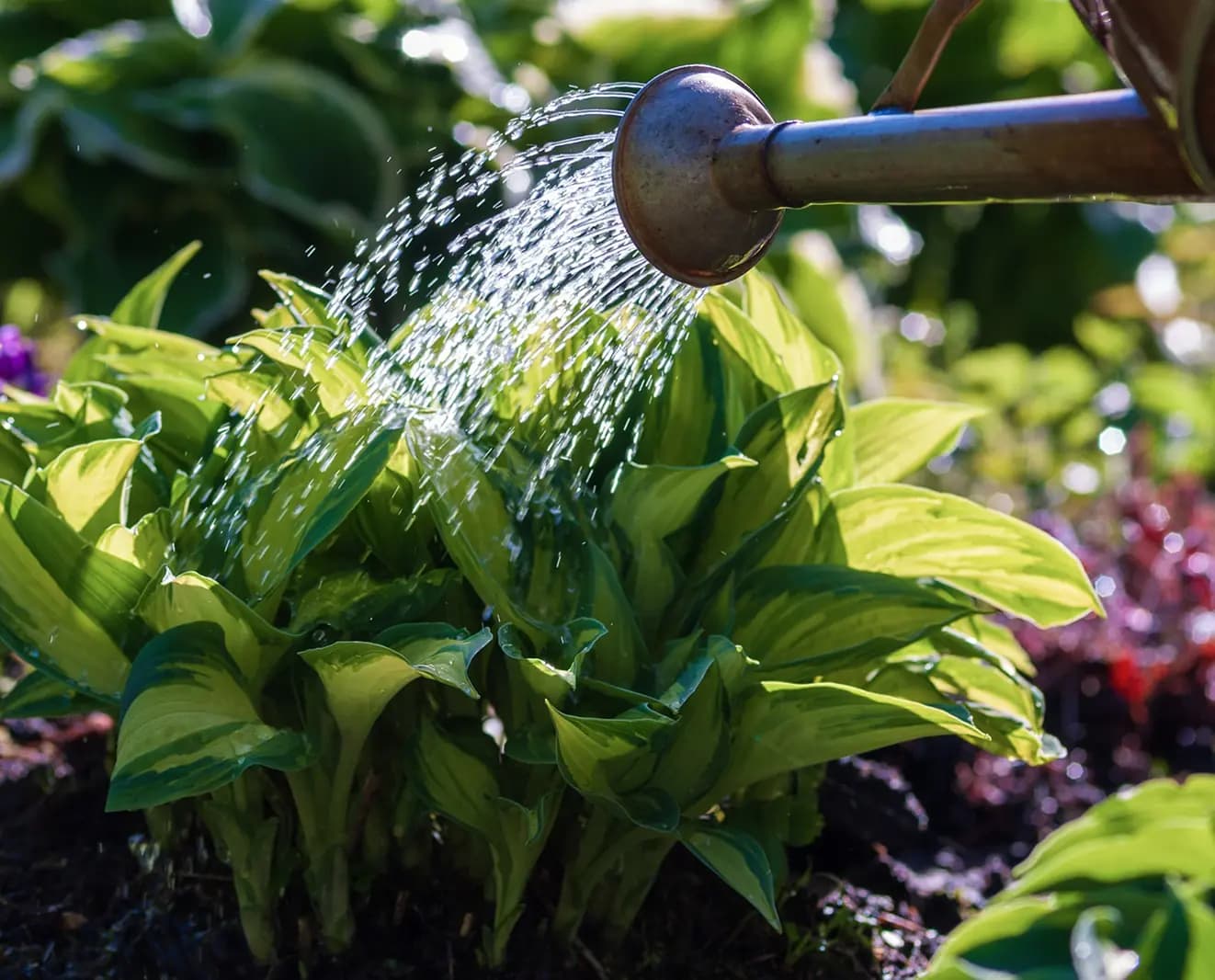
Watering a plant with a copper watering can
Best Bedroom Plants – Top 10 to Grow in Your Space

8 min read · 8 Jul 2026

Best Bedroom Plants – Top 10 to Grow in Your Space

Discover the top 10 houseplants that are suitable for growing in your bedroom. Compare their light and water needs, pet safety, and benefits. Find out where best to place greenery in your relaxation space and what species to avoid.

Plant Recommendations
Best Bedroom Plants – Top 10 to Grow in Your Space
Top 5 Best Indoor Plants for Air Quality

5 min read · 11 Sept 2026

Top 5 Best Indoor Plants for Air Quality

Indoor plants can make a room feel fresher thanks to their air-purifying qualities. Here are 5 of the most suitable choices for your routine and living space.

Plant Recommendations
Top 5 Best Indoor Plants for Air Quality
How Fast Does Bamboo Grow Per Day, Month, and Year

10 min read · 7 Jul 2026

How Fast Does Bamboo Grow Per Day, Month, and Year

Bamboo grows extremely fast: some species can reach 5-6 m in just 3-4 months under the right conditions. This guide explains how much bamboo can grow per day, week, and year, and what affects its growth rate.

Plant Recommendations
How Fast Does Bamboo Grow Per Day, Month, and Year