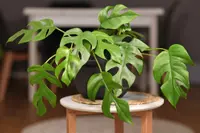
peperomia (Peperomia pereskiifolia) Watering Guide

This page explains when, how often, and how much to water peperomia in straightforward, practical terms.

Water Requirements

Moderate Water

Peperomia pereskiifolia Watering

Native to humid tropical forests, Peperomia pereskiifolia is adapted to gentle, frequent moisture rather than prolonged dryness. Indoors, it benefits from watering peperomia in a way that keeps the potting mix lightly moist but not saturated.

Let the surface begin to dry, then reintroduce modest moisture, adjusting for your home’s light and humidity. Outdoors in suitable climates, plants in the ground handle slightly more natural moisture than indoor container-grown specimens.

Let the top 1–2 inches (3–5 cm) of soil dry before watering Peperomia pereskiifolia again. In bright indoor light, this typically means watering about every 7–12 days, but lower light or cooler rooms extend the interval, while warm outdoor conditions or strong sun can shorten it.

Water peperomia when the top 1–2 inches (3–5 cm) of soil feel dry, using a thorough but controlled soak.

  • Pour room-temperature water slowly over the soil surface until it flows evenly, avoiding direct contact with stems and leaves.
  • Continue adding water until excess begins to exit the drainage holes, ensuring the entire root zone is evenly moistened.
  • Allow the pot to drain completely, then empty any saucer or decorative cachepot so the container does not stand in water.
  • For small or delicate plants, bottom-water by setting the pot in a shallow tray until the soil surface feels evenly damp.

Incorrect moisture balance can stress Peperomia pereskiifolia and trigger several avoidable problems indoors.

Yellow, Dropping Leaves:

Lower leaves yellow and fall when soil stays consistently soggy from frequent or heavy watering.

Mushy, Blackened Stems:

Stem bases soften, darken, and collapse when roots suffocate in dense, poorly draining substrate.

Wrinkled, Curling Foliage:

Leaves pucker and curl inward when soil is left dry for extended periods between waterings.

White Crust On Soil:

Salty, white deposits on soil surface indicate chronic overfertilizing combined with shallow, inconsistent watering.

Fungus Gnats Around Pot:

Small flying insects and larvae in soil signal persistently wet mix and decaying organic matter.

Keep soil lightly moist, not saturated, allowing the top layer to dry before watering again.

Poor watering habits disrupt Peperomia pereskiifolia’s shallow roots and succulent leaves, weakening growth and shortening the plant’s lifespan.

  • Watering by calendar: Following a fixed schedule ignores actual dryness, so instead check the top soil layer and water only when it feels dry.
  • Heavy, soggy potting mix: Using dense soil traps moisture around fine roots; choose a loose peat- or coco-based mix with added perlite for drainage.
  • Wrong container and saucer use: Planting in pots without drainage or leaving runoff in the saucer keeps roots wet; use drain holes and empty saucers promptly.

Focus on a light, free-draining setup, a breathable container, and watering guided by soil dryness rather than the calendar.

  • Spring: Growth usually picks up; let the top inch of mix dry, then water slightly more often while avoiding a constantly wet pot.
  • Summer: In warm, bright rooms, check soil more frequently and water when the upper layer dries, watching carefully for heat‑driven faster drying.
  • Fall: As light and growth slow, extend the drying period between waterings and prioritize thorough drainage over frequent light drinks.
  • Winter: With slower metabolism, water sparingly after the top layer dries, especially in cooler rooms, and avoid soaking cold, compacted soil.

Not Sure When to Water? Botan Knows

Use Botan for a clear watering guide and simple care steps for Peperomia pereskiifolia, plus gentle photo-based checkups that can flag early signs of common plant issues.

Botan plant care app — identify plants on mobile

FAQ

Water thoroughly until a small amount drains from the bottom, then discard any excess in the saucer. This ensures all roots are moistened while reducing salt buildup and supporting healthy peperomia watering habits.

Everything About peperomia

More Plant Watering Guides

Is Your Watering Routine Hurting Your peperomia?

Use Botan to review watering amounts and timing for healthier moisture balance.

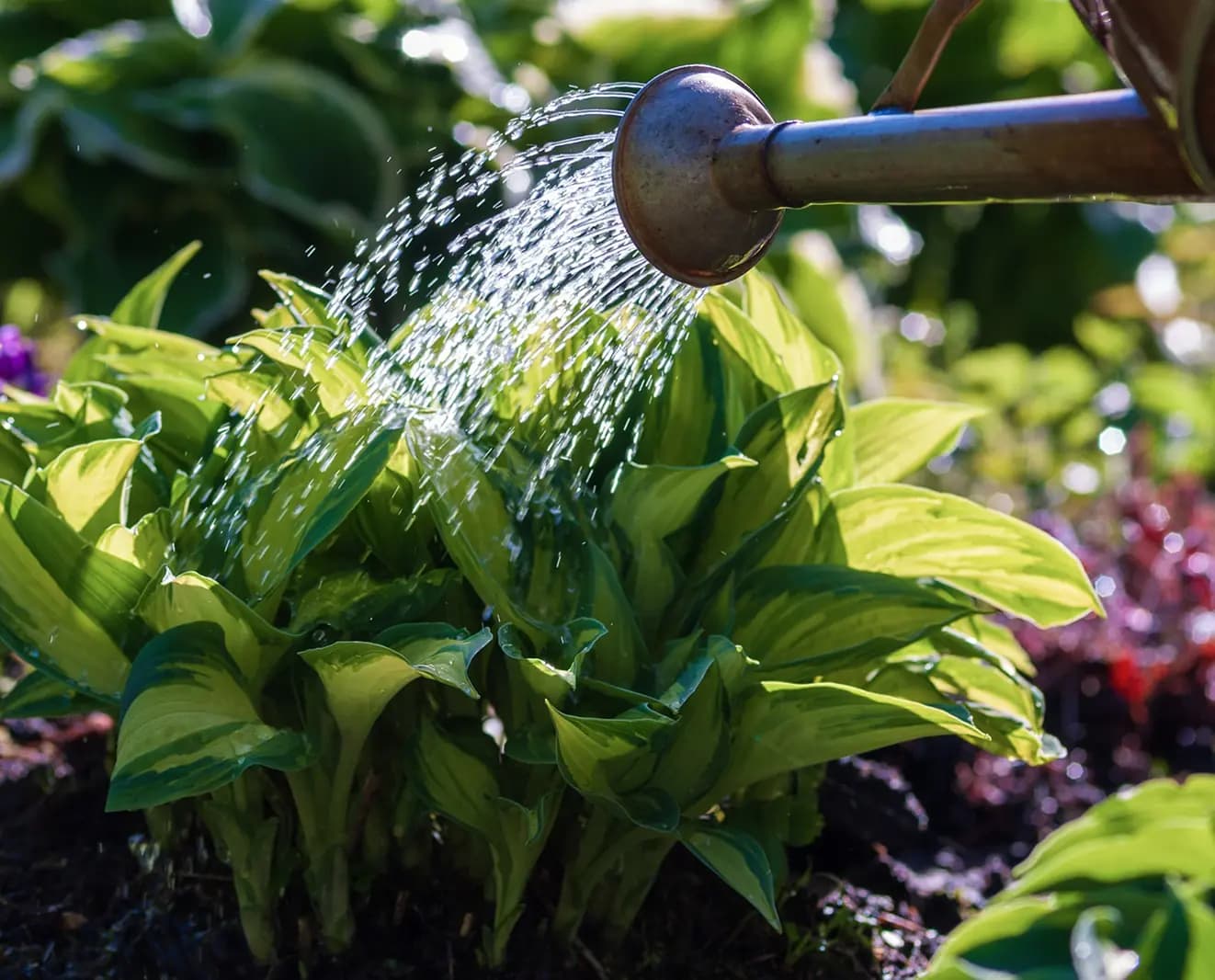
Watering a plant with a copper watering can
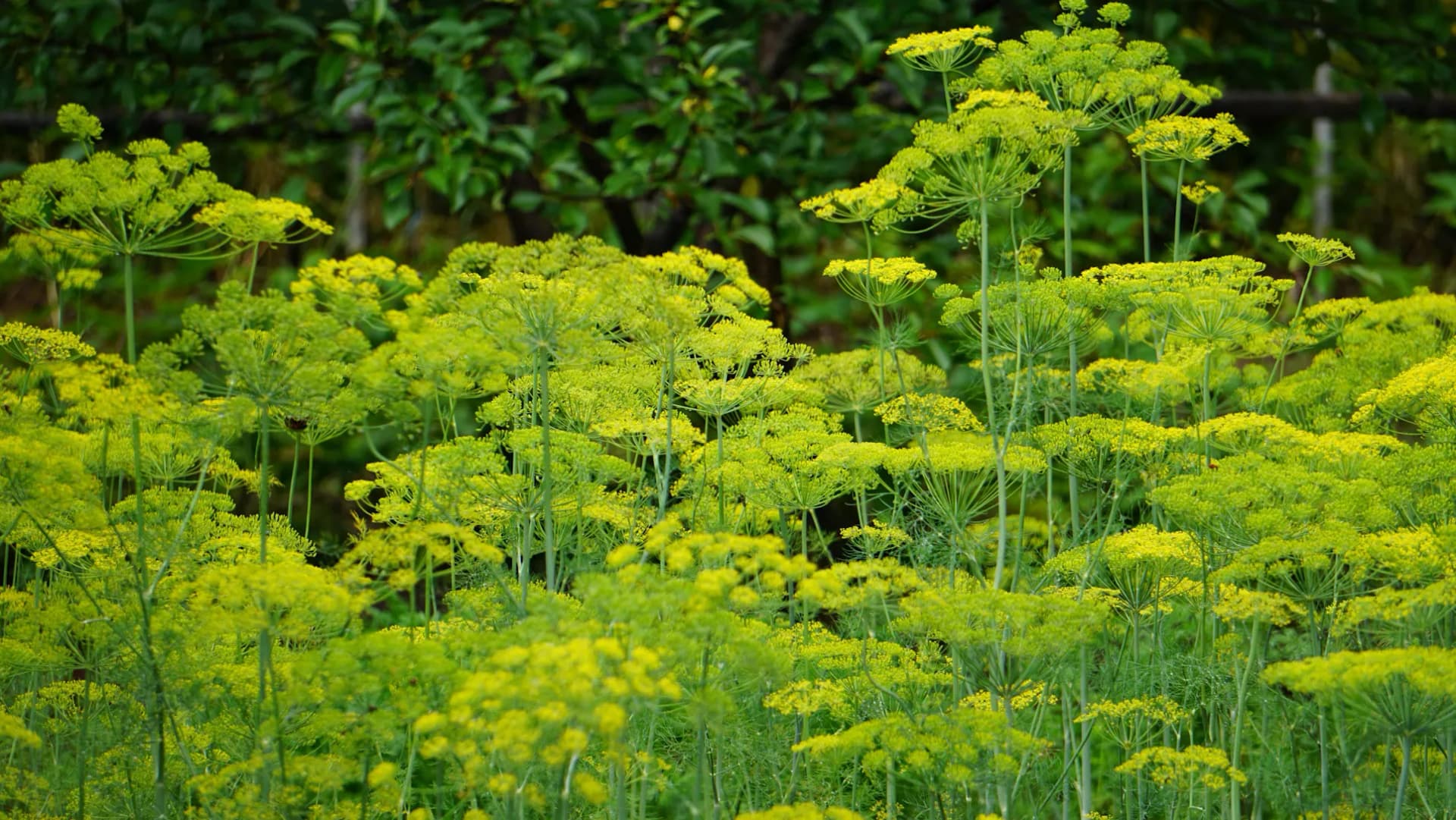
Dill Companion Plants – What to Grow Next to Dill

9 min read · 17 Jul 2026

Dill Companion Plants – What to Grow Next to Dill

Dill is an easy-to-grow plant that gets along well with many vegetables. This guide describes 15 plants that can be planted alongside it, a few to avoid, and mistakes that can quietly sabotage the entire process.

Plant Recommendations
Dill Companion Plants – What to Grow Next to Dill
Is Sugar Water Good for Plants?

4 min read · 14 Sept 2026

Is Sugar Water Good for Plants?

Sugar water may sound like an easy boost, but most rooted plants do not need extra sucrose. This guide explains how green tissues produce carbohydrates, when a sweetened solution can be useful, and why too much can cause problems.

Plant Care
Is Sugar Water Good for Plants?
Banana Peel Water for Plants: 5 Things to Know Before Trying It

5 min read · 9 Jul 2026

Banana Peel Water for Plants: 5 Things to Know Before Trying It

Banana water can provide potassium and some nutrients that may support plant growth, but it is not a universal fix. Use it carefully and only when the plant actually shows signs of nutrient deficiency rather than as a routine treatment.

Plant Care
Banana Peel Water for Plants: 5 Things to Know Before Trying It