Jewel Orchid (Ludisia discolor) Watering Guide

This page explains when, how often, and how much to water Ludisia discolor in straightforward, practical terms.

Water Requirements

Keep Soil Moist

Ludisia discolor Watering

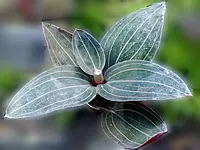
This compact orchid prefers a steady supply of moisture without staying soggy. In its humid forest habitat, Ludisia discolor grows where soil is lightly moist and humidity is high, not in waterlogged ground. Indoors, watering Jewel Orchid centers on keeping the potting mix slightly damp and avoiding long dry spells.

Most homes are drier than its native conditions, so monitor moisture more closely. This overview frames the general approach before adjusting details for light, temperature, and container size.

Water when the top 1–2 inches (3–5 cm) of soil feel dry, rather than on a fixed schedule. Indoors, Ludisia discolor typically needs water about every 7–10 days, but bright light or warm rooms shorten this interval, while lower light or slightly cooler conditions extend it.

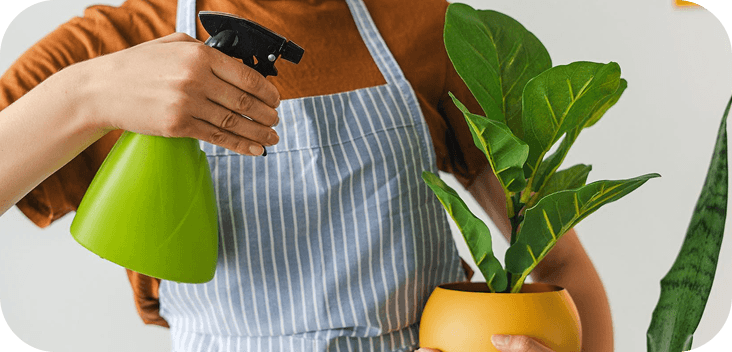
Water when the top 1 inch (2–3 cm) of mix feels dry, using a gentle, even soak for Jewel Orchid.

  • Pour room‑temperature water slowly over the potting mix surface, circling the stem to wet the full root zone.
  • Continue until water runs from the drainage holes, then stop so the mix stays moist but not soggy.
  • Empty saucers or cachepots within a few minutes so the base of the pot does not sit in standing water.

Incorrect moisture levels can stress Ludisia discolor and trigger several avoidable care problems indoors.

Yellowing Lower Leaves:

Older leaves gradually turn pale yellow and drop due to chronic overwatering and suffocating roots.

Mushy Brown Roots:

Roots feel soft and brown from prolonged saturation, signaling poor drainage and developing root rot.

Crisp Leaf Edges:

Leaf margins dry, curl, and brown when watering is infrequent and the potting mix dehydrates fully.

Wilting In Damp Soil:

Stems droop despite moist substrate because damaged roots cannot absorb oxygen or move water effectively.

Algae On Soil Surface:

Green film or slime develops on mix surface from persistently wet conditions and low air movement.

Keep the potting mix lightly moist with good aeration, avoiding both deep drought and waterlogging.

Unsuitable watering habits weaken Ludisia discolor by stressing its shallow roots and reducing its ability to store moisture effectively.

  • Rigid watering schedule: Watering on a calendar instead of checking soil moisture keeps it constantly wet or too dry; test the top layer first.
  • Heavy, moisture‑holding soil: Using dense potting soil with no perlite or bark traps water around roots; switch to a loose, airy orchid‑friendly mix.
  • Letting runoff sit: Leaving water in the saucer after watering keeps the root zone saturated; empty the saucer within a few minutes.

Aim for evenly moist, never soggy soil by adjusting watering to actual dryness in the potting mix and current conditions.

  • Spring: Increase watering slightly as new shoots appear, keeping the mix evenly moist but never soggy to protect its fine roots.
  • Summer: In warm, bright conditions, check moisture more often and water when the top surface just loses its sheen, avoiding full drying.
  • Fall: Growth slows, so extend intervals a bit, allowing the upper mix to feel barely dry before watering again.
  • Winter: With cooler, lower light, reduce frequency and use smaller volumes, keeping the potting mix lightly moist, not wet, to prevent rot.

Track Watering. Catch Problems Early

Use Botan for a simple watering guide and care reminders for your Jewel Orchid, plus gentle photo-based checkups that can highlight early leaf, stem, or root issues.

Botan plant care app — identify plants on mobile

Interesting Watering Facts

Streambank forest origins

In the wild, this jewel orchid grows on constantly moist forest floors and stream edges in Southeast Asia, where the substrate rarely dries out completely, which explains its preference for evenly damp, but not waterlogged, potting mixes indoors.


Moisture-loving terrestrial roots

Unlike many epiphytic orchids, it is fully terrestrial, with fine roots adapted to humus-rich, consistently moist soil rather than fast-drying bark, so it responds best to gentle, regular watering instead of long dry intervals.

FAQ

Let the top 1–2 inches (3–5 cm) of soil dry, then unpot and trim any black, mushy roots. Repot into fresh, airy mix and a pot with drainage. Resume light, careful watering once growth looks steady.

Everything About Jewel Orchid

More Plant Watering Guides

Is Your Watering Routine Hurting Your Jewel Orchid?

Use Botan to see if your watering schedule matches your plant’s needs.

Watering a plant with a copper watering can
How to Water Houseplants: Watering Guide

7 min read · 24 Aug 2026

How to Water Houseplants: Watering Guide

Learn how often to water indoor plants, key factors for proper watering, and how to adjust the care routine by plant type, season, pot size, light, and indoor conditions.

Plant Care
How to Water Houseplants: Watering Guide
Planting Grass Seed in Summer – What Works and What Fails

7 min read · 6 Aug 2026

Planting Grass Seed in Summer – What Works and What Fails

Summer seeding succeeds when the grass type suits the season, and the soil stays moist. Find out how to prepare the seedbed and choose a safe window for planting.

Plant Care
Planting Grass Seed in Summer – What Works and What Fails
How Long Can Flowers Go Without Water? Everything You Need to Know

6 min read · 10 Jul 2026

How Long Can Flowers Go Without Water? Everything You Need to Know

Flowers can survive without water anywhere from 1-2 hours to several months, depending on the plant type, species, and growing conditions. Some strong-looking flowers are drought-sensitive, while delicate-looking plants may tolerate long dry periods surprisingly well.

Plant Care
How Long Can Flowers Go Without Water? Everything You Need to Know