Thorny Plants: A Comprehensive Guide
Many plants defend themselves with sharp thorns. This guide explores over 20 examples among flowers, shrubs, trees, and vines. You'll learn what each plant looks like, why it grows thorns, and how to quickly identify them.

On this page
- What Plants Have Thorns?
- Flowers With Thorns
- Rose
- Bougainvillea
- Crown of Thorns
- Thistle
- Bushes With Thorns
- Barberry
- Firethorn
- Gooseberry
- Holly
- Trees With Thorns
- Hawthorn
- Honey Locust
- Acacia
- Osage Orange
- Thorny Vines
- Blackberry
- Greenbrier
- Rattan
- Cat's Claw Vine
- Other Thorny Plants
- Prickly Pear Cactus
- Agave
- Aloe
- Yucca
- How to Identify Plants With Thorns
Thorny plants grow all around us, from garden roses to wild hawthorn hedges. Roses, bougainvillea, hawthorn, and cacti use sharp spikes for self-defense. Some barely scratch, while others can cut right through a glove. When you can't figure out what you're dealing with, an app like Botan identifies the plant from a single photo. Below, you'll learn about over 20 types of thorny plants and how to distinguish them.
What Plants Have Thorns?
Most plants with thorns serve the same function. These sharp points prevent hungry animals from biting them. Botanists actually divide these defense mechanisms into three groups. True thorns are modified stems, while spines come from leaves or stipules. Prickles are different - they grow directly from the plant's skin, as occurs in roses. These structures also help plants in arid regions retain water. Check the main details about them below.
Structure | Grows From | Vascular Tissue | Examples |
Thorn | Modified stem or branch | Yes | |
Spine | Modified leaf or stipule | Yes | Cacti, barberry, acacia |
Prickle | Outer skin (epidermis) | No | Roses, blackberry |

Identify Your Plant
Scan the plant and get a result with 98% accuracy
Flowers With Thorns
Flowers with thorns look delicate, yet they defend themselves well. Some of the most beautiful blooms in any garden have sharp tips among the petals. Below are four common examples, both indoors and in the wild.
Rose
Almost everyone knows to take care of rose stems. People call those sharp points thorns, although botanically speaking, they are prickles. Since prickles grow from the outer layer of the stem, you can easily break them off with a fingernail. Roses are still considered classic thorny flowers for any border. Keep the stem low, near the base, to avoid scratching.
- Thorn Type: Prickles (epidermal outgrowths)
- Prickle Purpose: Defense and climbing grip
- Native Habitat: Asia, Europe, and North America
- Climate: Temperate

Bougainvillea
Bougainvillea makes a striking addition to walls and fences in warm climates. Behind the thin, papery blooms are woody stems covered with stiff, sharp thorns. These thorns are modified shoots that help the plant cling to supports as it climbs. A single scratch can cause pain for several hours, so it's important to wear gloves when pruning.
- Thorn Type: Thorns (modified stems)
- Purpose: Defense and climbing support
- Native Habitat: South America
- Climate: Tropical and subtropical

Crown of Thorns
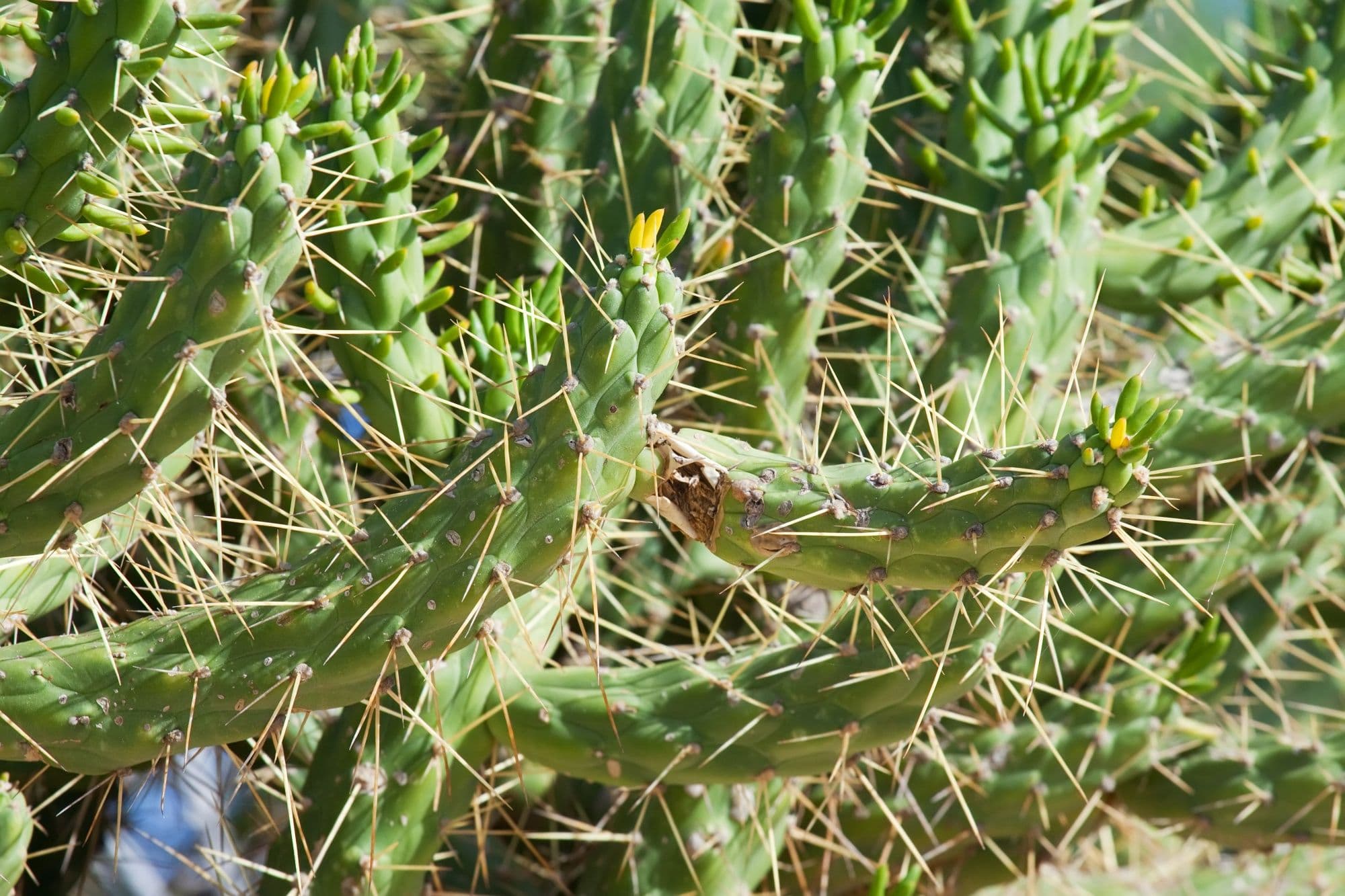
One of the toughest thorny flowers you can grow is Crown of Thorns. This prickly succulent is native to Madagascar and blooms red or pink almost year-round. Its thick stems bear dense spines that protect the plant and slow water loss. Because the milky sap is toxic, keep it out of the reach of pets and children.
- Thorn Type: Spines (stem spines)
- Spine Purpose: Defense and water conservation
- Native Habitat: Madagascar
- Climate: Warm and arid

Thistle
You'll see Thistles along fields and roadsides. Their purple heads rise above leaves edged with sharp spines, extending to the bracts around each flower. This prickly armor deters grazing animals, although bees still happily collect nectar from the flowers. Many gardeners specifically plant ornamental thistles for their striking form.
- Thorn Type: Spines and prickles (on leaves)
- Spine Purpose: Defense against grazing
- Native Habitat: Europe, Asia, and North America
- Climate: Temperate

Bushes With Thorns
Prickly shrubs are excellent for creating natural hedges, which often provide safe nesting grounds for small birds. The four plants below combine attractive appearance, healthy fruit, and a reliable line of defense.
Barberry
Barberry grows into a dense shrub covered in small, brightly colored leaves. Its stems bear sharp іspines, which are actually modified leaves. Prickly bushes like common barberry create reliable protective hedges, as the spines deter both people and animals. Many varieties also turn a deep, bright red in autumn.
- Thorn Type: Spines (modified leaves)
- Spine Purpose: Defense
- Native Habitat: Europe, Asia, and the Americas
- Climate: Temperate

Firethorn
Nothing lives up to its name quite like the Firethorn. Its fiery orange berries pair with long, sharp thorns. It grows quickly and forms a dense crown, which makes it popular for hedges along walls. Few thorny bushes offer such an abundance of foliage and color at the same time. The stiff thorns are modified branches, and birds eat the berries in winter.
- Thorn Type: Thorns (modified short shoots)
- Purpose: Defense and browsing deterrence
- Native Habitat: Southeast Europe to Southeast Asia
- Climate: Temperate to subtropical

Gooseberry
Gooseberry offers tart fruit along with a prickly surprise. Sharp spines located at each leaf node protect both the stems and the fruit. Many thorny bushes in the currant family share this characteristic. Harvesting requires patience and a good pair of gloves, although the jams and pies are worth the effort.
- Thorn Type: Spines (nodal spines)
- Spine Purpose: Protects stems and fruit
- Native Habitat: Europe, the Caucasus, and North Africa
- Climate: Temperate

Holly
Many of us know holly for its distinctive glossy leaves and bright red winter berries. Look closely at the edge of each leaf to see a sharp spine. These spiny leaves repel deer and livestock. Among prickly bushes, holly serves a dual purpose: ornamental and deterrent. Oddly enough, the lowest leaves are usually the spiniest.
- Thorn Type: Leaf spines (spiny margins)
- Spine Purpose: Defense against browsing
- Native Habitat: Europe, North Africa, and western Asia
- Climate: Temperate

Trees With Thorns
Some trees arm their trunks and branches as thoroughly as any shrub. A tree with thorns can withstand large grazing animals. The four species below demonstrate just how far treetop defense can go.
Hawthorn
Hawthorn is a small tree found throughout the Northern Hemisphere. There are over 200 species of hawthorn, with branches bristling with stiff, woody spines. Each thorn is actually a modified stem. Small birds nest happily within this tangled growth of spikes. Gardeners have grown hawthorn as living hedges for centuries.
- Thorn Type: Thorns (modified branches)
- Thorn Purpose: Defense and bird protection
- Native Habitat: Europe, Asia, and North America
- Climate: Temperate

Honey Locust
You might see the Honey Locust as an ordinary shade tree until you reach its trunk. There, it can sprout long, branched thorns, some several inches long. Researchers believe they evolved to ward off large herbivores that became extinct many years ago. Thornless cultivars now grow on many city streets. However, the wild form still stops you in your tracks.
- Thorn Type: Thorns (branched, modified branches)
- Purpose: Defense against large herbivores
- Native Habitat: Central North America
- Climate: Temperate

Acacia
Acacia trees adorn the dry savannas of Africa, but their range extends far beyond. Many bear paired spines on their branches, formed from modified stipules. Some acacia species go even further, hollowing out their thorns to provide shelter for stinging ants.
- Thorn Type: Spines (modified stipules)
- Spine Purpose: Defense and ant partnerships
- Native Habitat: Africa, Australia, and the Americas
- Climate: Arid to tropical

Osage Orange
The Osage orange is native to the central United States. Its branches are covered with stiff, straight thorns. Long before barbed wire was invented, farmers planted it in dense rows as a living fence. These thorns kept cattle in the pen and scared away predators. The tree also produces large, uneven green fruits that almost no one wants to eat.
- Thorn Type: Thorns (axillary, modified stems)
- Thorn Purpose: Defense and historic fencing
- Native Habitat: South-central United States
- Climate: Temperate

Thorny Vines
Climbing plants also defend themselves. Thorny vines use hooks and prickles to cling to branches. Stay away from the four plants pictured below, as they can unexpectedly snag skin, clothing, and curious pets.
Blackberry
Bushes of Blackberry grow almost everywhere. You'll find them in hedges, on fences, and in neglected corners of the yard. Their long shoots are covered with curved prickles that cling to everything nearby. This grip allows the vine to climb and spread with incredible speed.
- Thorn Type: Prickles
- Prickle Purpose: Defense and climbing grip
- Native Habitat: Europe (now worldwide)
- Climate: Temperate

Greenbrier
Greenbrier is among the most annoying thorny vines in any woodland. Its slender green stems carry sharp prickles. These prickles help it climb through shrubs. Most hikers know it as the plant that gives you shin splinters. However, deer and birds also enjoy eating its dark berries.
- Thorn Type: Prickles
- Thorn Purpose: Defense and climbing support
- Native Habitat: Americas, Asia, and Africa
- Climate: Temperate to tropical

Rattan
This is a climbing palm native to tropical forests. Rattan is among the thorniest plants with spikes you'll ever encounter. Its long stems are lined with backward-pointing spines that cling to trees for support. After harvesting, the smooth inner part of the stem transforms into the familiar rattan furniture.
- Thorn Type: Spines (backward-facing)
- Spine Purpose: Climbing support and defense
- Native Habitat: Southeast Asia and Africa
- Climate: Tropical

Cat's Claw Vine
Cat's claw vine climbs using tiny hook-shaped claws, each branching into three curved points. These claws cling to walls, bark, and fences with virtually no effort. In warmer regions, the plant spreads rapidly, which is why many gardeners consider it an invasive species.
- Thorn Type: Hooked claws (modified tendrils)
- Spine Purpose: Gripping surfaces to climb
- Native Habitat: Central and South America
- Climate: Tropical and subtropical

Other Thorny Plants
Not every thorny plant belongs to flowers, shrubs, trees, or vines. Cacti, agave, and aloe are a separate category. Many desert plants use their spines to protect their stored water. This is how they survive in harsh, arid environments where most plants fail.
Prickly Pear Cactus
You can easily recognize the Prickly Pear by its flat, spatulate pads. It defends itself on two fronts. The long spines protect against large animals, while the tiny, spiny glochids protect against everything else. These hair-like glochids dig into the skin, and cause itching for several days.
- Thorn Type: Spines and glochids
- Spine Purpose: Defense and water conservation
- Native Habitat: The Americas
- Climate: Arid and semi-arid

Agave
Agave forms a spectacular rosette of thick, fleshy leaves. It is one of the most striking plants with spikes in any arid landscape. Each leaf tapers to a hard, sharp tip, with fine teeth along the edges. Together, these teeth prevent thirsty animals from gnawing at the leaves.
- Thorn Type: Spines (leaf tips and margins)
- Spine Purpose: Defense against herbivores
- Native Habitat: Mexico and the southwestern US
- Climate: Arid and semi-arid

Aloe
Most people know Aloe for its soothing gel. Many species cover the edges of their leaves with small, tooth-like spines. These spines protect the leaves saturated with water. In the wild, aloe faces steady pressure from hungry animals, and this is where the spines come in handy.
- Thorn Type: Spines (leaf margins)
- Spine Purpose: Defense and water protection
- Native Habitat: Southern Africa
- Climate: Arid to subtropical

Yucca
Yucca produces stiff, sword-shaped leaves from a low central base. Each leaf tapers to a stiff point, sharp enough to pierce skin. This sting has earned it the nickname "Spanish bayonet." It thrives in poor, sandy soils unsuitable for most other plants.
- Thorn Type: Sharp leaf tips
- Spine Purpose: Defense
- Native Habitat: The Americas
- Climate: Arid and semi-arid

How to Identify Plants With Thorns
In order to name thorny plants, you can use Botan's cacti identifier that also works for flowers, shrubs, trees and vines. Here is a step-by-step guide:
- Open the identifier and point the camera at the plant.
- Take or upload a clear photo - capture spines, prickles, or thorns in close-up.
- Read the match - the app will identify the species and show how accurate it is.
In a few seconds, you'll receive the name, type of protection, and information on how to safely handle it.
Spotted a thorny plant you can't name?
Take a photo and get an instant species ID
FAQ
Almost every plant group has thorns. You'll find them on flowers like roses, shrubs like barberries, and trees like hawthorn. Vining brambles and greenbrier make do with prickles. Cacti and other succulents use spines instead.
Alex Yar
Plant Expert
7+ years of experience studying plants, researching their diseases, and examining their characteristics.
Alex is a plant expert and writer with more than 7 years of experience studying plants, their growing requirements, and their responses to environmental conditions. His areas of expertise include plant care, disease recognition, stress diagnosis, pest-related problems, and the distinctive characteristics of different species.
Over the years, Alex has developed a strong practical understanding of how light, temperature, humidity, watering, soil conditions, and nutrition affect plant health. He combines careful observation with in-depth research to explain effective care and recovery methods.
Alex has extensive hands-on experience caring for houseplants. His articles translate complex botanical topics into clear guidance that helps you better understand your plants and recognize early warning signs.
Related Articles
8 min read · 16 Oct 2026
20 Funny Plant Names That Make You Laugh
Some plants carry names that sound like jokes. This guide explains the origins of 20 funny plant names. You will also see which of these plants you can grow at home.

7 min read · 13 Oct 2026
12 Best Cold-Hardy Vegetables for Cold Weather
Cold-hardy vegetables can keep a garden productive through chilly fall, winter, and early spring weather. This guide covers 12 reliable crops, their frost tolerance, and practical growing tips for better cold-season harvests.
8 min read · 9 Oct 2026
15 Best Scary Halloween Plants and Fungi for a Spooky Garden
Want a garden that looks eerie in October? Here are 15 Halloween plants and fungi, from carnivorous traps to bleeding mushrooms. For each species, we cover its appearance, care requirements, and potential uses in your landscape.
Explore Plants by Care Needs
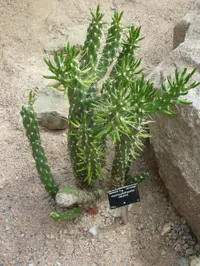
Eve's needle cactus
Austrocylindropuntia subulata
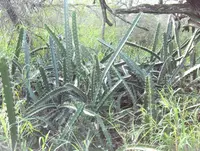
Triangle cactus
Acanthocereus tetragonus
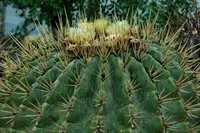
Acitrón barrel cactus
Ferocactus histrix
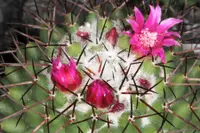
Mammillaria polythele
Mammillaria polythele
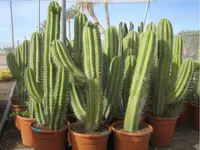
Chichituna
Polaskia chichipe
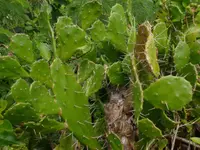
Common pricklypear
Opuntia monacantha
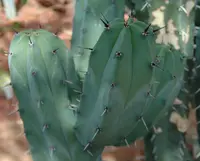
Bilberry Cactus
Myrtillocactus geometrizans
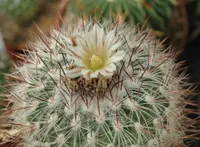
Brain Cactus
Stenocactus multicostatus
Identify the plant and problem. Help your plant recover
Identify plant problems early, understand what's wrong, and get clear care guidance. Botan helps you turn guesswork into confident plant care