elmleaf blackberry Care (Rubus ulmifolius)

Also known as: Common Bramble
elmleaf blackberry

About elmleaf blackberry

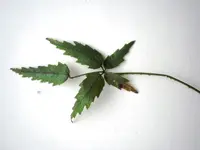
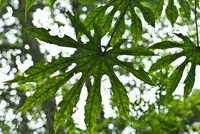
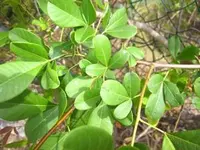
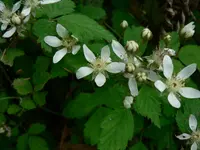
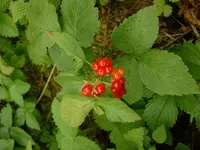
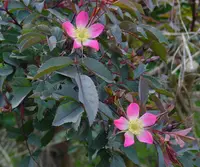
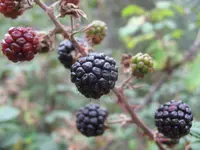
Elmleaf blackberry, Rubus ulmifolius, is a vigorous deciduous shrub that produces arching, often thorny canes and abundant clusters of white to pale pink flowers. These flowers develop into dark, glossy blackberries that are typically edible and attractive to wildlife.

This species is native to parts of Europe and North Africa and has naturalized in many temperate regions, including areas of North America. It often forms dense thickets along hedgerows, woodland edges, and disturbed ground.

Plants are generally easy to establish and can spread quickly, so space and containment are key considerations when planning how to care for elmleaf blackberry. It prefers sun to light shade, moderately moist conditions, and well-drained, fertile soil.

Main Plant Requirements

Care Difficulty

Easy Care

Light Preference

Full Sun

Water Requirements

Moderate Water

Temperature Preference

Cold Hardy

Hardiness Zone

6–9

Soil Texture

Sandy, Loamy, Clay

Soil pH

Acidic (5.5–6.5), Slightly acidic (6.5–7.0)

Soil Drainage

Moist but well-drained

Fertilization

Minimal (feed rarely)

Get Personalized Care Plan

Scan your plant to receive care tips personalized for your specific plant

Available on iOS and Android

How to Care for the elmleaf blackberry

This species prefers full sun but tolerates some light shade, especially in hot regions.

  • Aim for 6–8 hours of direct sun daily; 4–6 hours plus bright, open shade can still support good fruiting for elmleaf blackberry.
  • Prioritize morning sun with light afternoon shade in very hot summers to reduce leaf scorch and moisture stress.
  • In cooler climates, choose the sunniest site available; in warm zones avoid intense reflected heat from walls or pavement that can overheat canes.

Rubus ulmifolius prefers consistently moist, well-drained soil rather than extremes of dryness or saturation.

  • Water when the top 3–5 cm of soil feels dry, then soak the root zone deeply so moisture reaches 15–20 cm down.
  • During the first growing season, monitor closely in warm, windy weather; drooping new canes signal thirst, while yellowing, soft leaves can indicate overwatering.
  • Use soil rich in organic matter with good drainage; reduce watering in late fall and winter to prevent root rot while allowing natural rainfall to supply most moisture.

This bramble is hardy and tolerates a wide temperature range once established.

  • Optimal growth occurs around 60–80°F (16–27°C), supporting strong cane development and reliable flowering and fruiting.
  • Mature plants usually tolerate winter lows down to about 0°F (−18°C); young plants benefit from mulch to protect roots in colder snaps.
  • In hot climates, short periods up to 90–95°F (32–35°C) are tolerated if soil moisture is maintained; prolonged heat combined with drought can stress plants and reduce yield.

This bramble tolerates typical outdoor humidity and usually does not need special humidity management.

Rubus ulmifolius grows best in deep, loose, moisture-retentive but well-drained soil.

  • Use a loamy mix with 30–50% organic matter such as compost or well-rotted manure to support strong cane and fruit production.
  • Ensure drainage by avoiding compacted clay; incorporate coarse sand or fine gravel if water lingers longer than 1 day after rain or irrigation.
  • Aim for slightly acidic to neutral pH around 6.0–7.0; avoid very alkaline soils that can limit nutrient uptake and cause pale foliage.
  • Improve aeration by working in fibrous materials like shredded bark or leaf mold rather than relying only on fine-textured compost.

This species can be grown in containers if the pot is large and stable enough for its vigorous growth.

  • Choose a heavy, wide container at least 40–50 cm deep to prevent tipping as the long canes develop.
  • Position the pot where it can be anchored or tied to a trellis or railing to stabilize the arching or climbing stems.
  • Use a free-draining mix and elevate the pot slightly on feet or bricks so drainage holes never sit in collected runoff.

Rubus ulmifolius grows well in reasonably fertile soil and usually needs only light feeding.

  • Apply a thin layer of garden compost or well-rotted manure around the base in early spring to support new growth.
  • In poorer soils, use a balanced slow-release fertilizer (around 10-10-10 NPK) once in spring, following the label rate.
  • Avoid overfeeding; strong nitrogen inputs encourage soft, thorny shoots with fewer fruits.
  • Do not feed in late fall or winter, when the plant is dormant and nutrient demand is low.

Rubus ulmifolius responds well to structured pruning that maintains airflow and strong fruiting canes.

  • Prune in late winter or very early spring before buds break for best visibility of cane structure.
  • Cut out dead, diseased, or crossing canes at ground level to reduce disease and improve airflow.
  • Remove the oldest, exhausted canes after fruiting to encourage vigorous new shoots and maintain shape.
  • Use sharp, clean bypass pruners and make cuts close to the base without leaving long stubs.

This species is usually grown in the ground, so focus on careful site transplanting rather than frequent repotting.

  • Transplant young plants in early spring or fall, when temperatures are mild and soil moisture is stable.
  • Move plants when growth slows, canes become crowded, or when suckers appear where they are not wanted.
  • Lift with a generous soil ball, disturbing roots as little as possible, and replant at the same depth in well-drained soil.
  • Water thoroughly after transplanting, then keep soil evenly moist for several weeks to limit transplant shock.

Rubus ulmifolius is commonly propagated vegetatively to maintain desirable traits.

  • Use tip layering in late summer by pegging a flexible cane tip into moist soil until roots form, then detach the new plant.
  • Take semi-ripe stem cuttings in midsummer, insert into a free-draining mix, and keep humid but not waterlogged until rooted.
  • Divide rooted suckers in early spring or fall, replanting them promptly into prepared soil.
  • Seeds can be sown after cold stratification, but seedlings vary and are slower than vegetative methods.

This blackberry is generally cold hardy in many temperate regions and needs only modest winter care.

  • Mulch the root zone with 5–8 cm of compost, leaves, or bark in late fall to buffer freeze–thaw cycles.
  • In colder areas, gently tie canes together and, if possible, bend and secure them closer to the ground for snow insulation.
  • Container plants are more exposed; move pots to a sheltered, unheated but frost-moderated spot such as a cold frame or garage.

Care Tips

Renewal cane removal

After fruiting, cut the canes that just produced berries right down at ground level to keep the plant productive and reduce disease pressure on younger canes.

Structured trellis training

Fan out new canes along horizontal wires or a fence and tie them loosely every 20–30 cm so that foliage dries faster after rain and fruit is easier to pick and monitor for problems.

Mulch for cane stability

Apply a 5–8 cm layer of coarse organic mulch around, but not touching, the crown to keep roots cool, suppress weeds, and reduce soil splash that can spread fungal spores onto lower leaves and fruit.

Targeted pest scouting

Inspect developing flower clusters and the undersides of leaves weekly from spring through harvest, so that aphids, spider mites, or cane borers are caught early and can be managed before they spread along the row when growing elmleaf blackberry.

Winter cane protection

In colder regions, gently arch and tie long canes closer to the ground and cover the base area with extra mulch in late fall to reduce winter injury and ensure stronger bud break in spring.

Common Pests and Diseases

Raspberry beetle

This pest causes dry, crumbly drupelets and small brown larvae inside ripening berries. Symptoms include distorted fruit with feeding damage near the calyx end.

Solution

Monitor flower clusters in spring and shake canes over a white sheet to check for adults, then remove affected blossoms and fruit. Encourage predators, use fine insect mesh around flowering canes if practical, and apply a targeted fruit and cane-safe insecticide only during the brief adult flight period, following local guidance for Rubus ulmifolius care.

Raspberry cane borer

This pest creates wilting and dieback of young shoot tips, often with two characteristic girdling rings on the cane. Larvae tunnel downward inside canes, weakening or killing them.

Solution

Prune out wilting tips 5–8 in below the lowest girdle as soon as symptoms appear and destroy removed material. Keep stands thinned and well-spaced to limit spread, and if needed use a cane borer-labeled systemic product timed to adult activity before egg-laying, following local regulations.

Cane blight

This disease causes sunken dark lesions on canes, often starting at pruning wounds, leading to sudden wilting of laterals and reduced yield. Infected tissue may show grayish dead bark and crumbly pith inside.

Solution

Cut out and destroy infected canes during dry weather, making pruning cuts well below any visible lesions. Avoid wounding during wet conditions, keep canes well-spaced for fast drying, and use a registered fungicide spray on canes after pruning if the disease is recurrent in the planting.

Anthracnose

This disease produces small purplish spots on young canes that enlarge into gray centers with dark margins, and can also mark leaves and fruit. Severe infections lead to poor cane growth, cracking bark, and reduced fruit quality.

Solution

Remove and destroy heavily spotted canes and old fruited canes at the end of the season, and keep plantings open and well-ventilated. Apply a preventative fungicide labeled for brambles at bud break and again after flowering if the climate is humid and anthracnose has been a recurring issue.

Orange rust

This disease causes weak, spindly canes with small pale leaves that develop bright orange powdery pustules on the undersides. Symptoms include chronic plant decline, as the fungus is systemic and persists inside the plant year after year.

Solution

Dig out and destroy entire infected plants, including roots, as there is no reliable cure once systemic infection occurs. Maintain good spacing and airflow, remove wild brambles nearby that can act as hosts, and inspect new plants carefully before introducing them to a planting of elmleaf blackberry.

Interesting Facts

Mediterranean evergreen bramble

Elmleaf blackberry is unusual among blackberries because in mild Mediterranean climates it often keeps its leaves year-round instead of going fully deciduous, giving it a more shrub-like, evergreen appearance along coasts and in sheltered valleys.

Strong coastal tolerance

This species naturally colonizes sea cliffs and coastal scrub in western Europe, showing a high tolerance to salt-laden winds and dry, rocky soils, which helps it outcompete many less stress-tolerant shrubs near the shore.

Hybridization with natives

In parts of the western United States, elmleaf blackberry forms hybrids with native Rubus species, which can complicate plant identification and raises concern about genetic impacts on local blackberry populations.

Botan icon

Did you know?

In several regions outside its native Mediterranean range, including parts of Australia, Chile, and the western United States, elmleaf blackberry is classified as an invasive species because its long, arching canes and dense thickets can exclude native vegetation and alter habitat structure for wildlife.

FAQs about elmleaf blackberry

This species spreads strongly by arching canes and underground suckers, forming dense thickets if unmanaged. Regular pruning, mowing emerging shoots, and installing root barriers help keep it contained, especially near property boundaries or natural areas.

Grow Healthy Plants with Botan Care

Keep your plants happy and healthy with plant identification, disease detection, and easy care guidance.

Botan plant care app — identify plants on mobile

Explore More Plants