dwarf bilberry Care (Vaccinium cespitosum)

Also known as: dwarf blueberry
dwarf bilberry

About dwarf bilberry

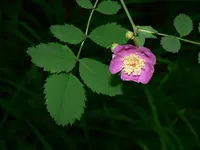
Dwarf bilberry, Vaccinium cespitosum, is a low, mounded shrub in the heath family, related to blueberries and cranberries. It forms dense, cushion-like mats close to the ground. Small leaves, delicate pink to white bell-shaped flowers, and tiny blue-black berries give it a fine, compact look suited to cool climates. In nature it grows in boreal forests, subalpine meadows, and rocky slopes across northern North America. This species prefers acidic, well-drained soils and consistent moisture, but dislikes heat and drought. Once its cool, moist conditions are understood, it is moderately easy to care for dwarf bilberry in gardens or naturalistic plantings.

Main Plant Requirements

Care Difficulty

Moderate Care

Light Preference

Partial Sun

Water Requirements

Regular Water

Temperature Preference

Cold Hardy

Hardiness Zone

2–7

Soil Texture

Sandy, Loamy, Peaty

Soil pH

Strongly acidic (4.5–5.5), Acidic (5.5–6.5)

Soil Drainage

Moist but well-drained

Fertilization

Minimal (feed rarely)

Get Personalized Care Plan

Scan your plant to receive care tips personalized for your specific plant

Available on iOS and Android

How to Care for the dwarf bilberry

This compact shrub prefers cool, bright conditions with gentle sun exposure.

  • Provide 4–6 hours of direct morning sun with light afternoon shade, especially in warmer regions, to support flowering and fruiting.
  • Allow light dappled or high bright shade in hotter climates; dwarf bilberry tolerates partial shade but crops may be lighter with less than 4 hours of sun.
  • Avoid harsh all-day afternoon sun, which can scorch leaves and dry shallow roots; in winter, slightly more open exposure helps compensate for shorter days.

This species needs consistently moist, not saturated, acidic soil to perform well.

  • Water when the top 2–3 cm of soil feels barely dry, aiming for evenly damp soil around the fibrous root zone, especially during active growth and fruiting.
  • Reduce frequency in cool, wet seasons, but never allow the soil to dry out completely; mulch helps moderate evaporation and stabilizes moisture.
  • Watch for dull, drooping leaves and dry twig tips as signs of underwatering, and for yellowing leaves, soft stems, or swampy soil as signs of overwatering in Vaccinium cespitosum.

This low-growing shrub is naturally adapted to cool, temperate climates with cold winters.

  • Optimal growing temperatures are around 55–70°F (13–21°C), which support steady shoot growth, flowering, and berry development.
  • Plants tolerate winter cold down to about -20°F (-29°C) once established, especially under insulating snow cover, and benefit from natural winter chilling.
  • Heat tolerance is limited; prolonged periods above 80–85°F (27–29°C) can stress plants, so provide shade, mulch, and soil moisture during hot, dry weather.

This species prefers cool, moderately moist air but usually adapts to typical indoor humidity.

  • Aim for 40–60% humidity to reduce leaf desiccation while keeping foliage and stems dry to discourage fungi.
  • It tolerates short dry-air spells, but prolonged very low humidity can cause leaf edge browning and finer twig dieback.
  • Increase humidity with nearby trays of water and pebbles or grouping plants, rather than misting, which offers little benefit for dwarf bilberry.

This plant requires acidic, well-drained, yet consistently moist soil for healthy root and shoot growth.

  • Use a loose, sandy or sandy-loam mix rich in organic matter that mimics heath or woodland soils.
  • Target an acidic pH of 4.5–5.5; use peat or fine pine bark and avoid lime or alkaline amendments.
  • Blend components such as peat moss or coco coir, fine pine bark, and coarse sand or perlite to improve aeration and drainage.
  • Avoid heavy clay, compacted substrates, or mixes that stay waterlogged, which promote root rot and poor nutrient uptake in Vaccinium cespitosum.

This low, mat-forming shrub can be grown successfully in containers outdoors.

  • Choose a wide, shallow container to accommodate its spreading, fibrous roots and allow even moisture distribution.
  • Select a frost-resistant, heavier pot material to stabilize the shallow root system against wind and accidental knocks.
  • Raise the pot on feet or bricks so drainage holes stay clear and excess water exits quickly after rain or irrigation.

This small native shrub needs only light feeding in containers or very poor soils, so caring for dwarf bilberry focuses on gentle, acid-loving nutrition.

  • Use an acid-forming, balanced NPK fertilizer (such as for blueberries) at 1/2 strength for potted plants in early spring.
  • Apply a small amount of slow-release, acid-loving fertilizer or ericaceous compost once in spring for in-ground plants if growth is weak.
  • Feed every 4–6 weeks during the active growing season only, avoiding midsummer over-application.
  • Stop fertilizing in late summer so shoots harden before winter, and do not feed during winter dormancy.

Pruning Vaccinium cespitosum is light and mainly aims to maintain health and an open, low mound.

  • Carry out structural pruning in late winter or very early spring before new growth starts.
  • Use clean, sharp hand pruners to remove dead, diseased, or winter-damaged stems at their base.
  • Thin crowded or crossing branches to improve light and airflow, maintaining the plant’s natural low, spreading form.
  • After fruiting, lightly shorten very vigorous shoots only if they disturb the desired shape or crowd neighboring plants.

This species is more often transplanted in the landscape than repotted, since it forms low mats suited to rocky or sandy sites.

  • Transplant in early spring or early fall when temperatures are mild and soil stays evenly moist.
  • Look for signs such as roots circling a container, poor vigor, or quick drying soil to decide when to move container plants.
  • Plan on repotting or moving container-grown plants about every 2–3 years into fresh, acidic, well-drained mix.
  • Minimize root stress by keeping the root ball intact, watering thoroughly before and after planting, and shading for 3–5 days if conditions are bright.

Propagation of Vaccinium cespitosum is moderate in difficulty and usually done vegetatively to keep desirable traits.

  • Take semi-hardwood cuttings in mid to late summer, using 7–10 cm shoots with several leaves and rooting hormone.
  • Insert cuttings in moist, acidic, well-drained medium under high humidity and bright, indirect light until rooted.
  • Use simple layering in spring by pinning flexible stems to the soil and severing once well rooted.
  • Seeds can be sown in acidic medium and cold stratified for several weeks, but seedling traits vary and growth is slow.

This low blueberry relative is naturally cold hardy and generally needs minimal winter care in the ground.

  • The shrub tolerates typical freezing conditions in many temperate climates once established.
  • Apply a 3–5 cm layer of acidic mulch around the root zone in late fall to moderate soil temperature fluctuations.
  • For container plants, move pots into an unheated garage, cold frame, or against a sheltered wall to reduce root freeze–thaw cycles.

Care Tips

Mulch For Roots

Apply a 3–5 cm layer of pine needles or shredded pine bark around the root zone each spring to keep the shallow roots cool, suppress weeds, and maintain the acidic surface conditions this shrub prefers.

Companion Groundcover

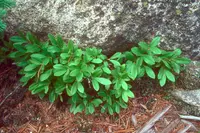
Plant it alongside other low, acid-loving shrubs such as creeping gaultheria or small rhododendrons to create a stable, cool, shared root environment that reduces temperature and moisture fluctuations.

Gentle Fruit Harvest

Pick ripe berries by rolling them gently between thumb and forefinger instead of pulling, which helps avoid tearing the fine stems and protects next year’s flower buds.

Winter Snow Management

In cold regions, allow natural snow cover to accumulate over plants as insulation, but gently break up heavy ice crusts so branches are not pinned and broken under the weight.

Targeted Pest Monitoring

Inspect foliage and stems every 2–3 weeks during the growing season for leaf spots, caterpillars, or aphids, and remove affected shoots or hand-pick pests early before they spread, which is especially helpful when caring for dwarf bilberry in small plantings.

Common Pests and Diseases

Blueberry maggot

This pest is a small fly whose larvae tunnel inside ripening berries, causing them to soften, collapse, and drop early.

Solution

Remove and dispose of infested or fallen berries promptly to break the life cycle, and use fine mesh netting over shrubs before fruit colors to exclude egg‑laying adults; in higher-pressure areas, yellow sticky traps can help monitor and reduce adult flies as part of broader Vaccinium cespitosum plant care.

Blueberry aphids

These insects feed on young stems and leaf undersides, causing leaf curl, distortion, and sticky honeydew that can support sooty mold growth.

Solution

Prune out heavily infested shoot tips, rinse aphids off with a firm stream of water, and encourage natural predators; in persistent cases, apply insecticidal soap or a light horticultural oil, making sure to coat leaf undersides and repeat as needed according to label directions.

Mummy berry

This disease is a fungal infection that causes blossoms and young shoots to wilt and berries to shrivel into hard, pale, mummified fruits.

Solution

Collect and discard mummified fruits and fallen debris, maintain an open plant structure for better airflow, and, where the disease is established, apply a labeled fungicide at early bloom stages, following local extension recommendations for timing and coverage.

Leaf spot

This disease causes small red to brown spots on leaves that may merge into larger blotches, leading to premature leaf drop in humid conditions.

Solution

Rake and remove fallen leaves, thin crowded stems to improve light and air penetration, and avoid prolonged overhead watering; if leaf spots recur yearly, apply an appropriate fungicide early in the season and repeat as recommended on the label.

Scale insects

These insects appear as small, stationary bumps on stems and leaf veins, sucking plant sap and leading to weakening, reduced growth, and occasional dieback.

Solution

Prune out and discard heavily infested stems, gently scrape or wipe scales from light infestations, and use horticultural oil during the dormant season or on cool, overcast days to smother remaining scales, ensuring thorough coverage of stems and branch crotches.

Interesting Facts

High-elevation specialist

This species commonly grows in subalpine and alpine habitats across North America, tolerating cold temperatures, high UV exposure, and short growing seasons that limit many other shrubs.

Tightly mat-forming shrub

It forms low, cushion-like mats only a few cm tall, with woody stems and small leaves that hug the ground, which helps reduce wind damage and water loss in exposed mountain sites.

Preferred bear food source

Its small dark blue berries are an important summer food for black bears and grizzly bears in some regions, which consume large quantities and disperse the seeds over long distances.

Botan icon

Did you know?

This species often co-occurs with other low-growing blueberries in northern and montane heathlands, and natural hybrids with related Vaccinium species have been documented in the wild, making its identification challenging in mixed populations.

FAQs about dwarf bilberry

The berries are edible and typically safe when eaten ripe and in normal food quantities. They are small but flavorful and can be used fresh, dried, or cooked in jams, desserts, or sauces, similar to other wild blueberries.

Grow Healthy Plants with Botan Care

Keep your plants happy and healthy with plant identification, disease detection, and easy care guidance.

Botan plant care app — identify plants on mobile

Explore More Plants