Wind-hardening seedlings
If planting young stock in windy sites, gradually expose potted plants to increasing wind over 10–14 days outdoors before planting to reduce transplant shock and encourage strong, flexible stems.

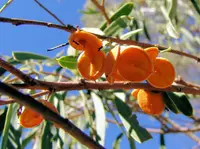
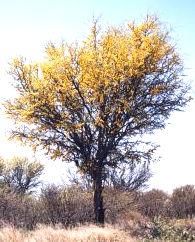
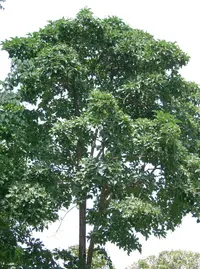
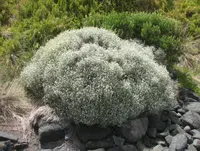
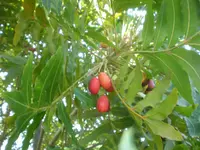
Native apricot, Pittosporum angustifolium, is an Australian small tree or large shrub valued for its fine, weeping foliage and resilience in tough conditions. It typically forms a narrow, rounded canopy with slender leaves and small, fragrant, creamy-yellow flowers followed by orange, sticky fruit.
This species naturally occurs in arid and semi-arid inland regions of Australia, where it tolerates heat, drought, and poor soils. Its deep root system and slow to moderate growth rate make it a durable landscape plant once established.
For gardeners who want to care for Native apricot, it generally prefers full sun, well-drained soils, and low to moderate moisture, and it suits low-maintenance, water-wise plantings.

Care Difficulty
Easy Care

Light Preference
Full Sun

Water Requirements
Low Water

Temperature Preference
Warm Climate

Hardiness Zone
8–11

Soil Texture
Sandy, Loamy, Rocky

Soil pH
Slightly acidic (6.5–7.0), Slightly alkaline (7.0–7.5)

Soil Drainage
Well-drained

Fertilization
Minimal (feed rarely)
Scan your plant to receive care tips personalized for your specific plant
Available on iOS and Android
This drought-tolerant shrub prefers bright, open conditions similar to its native habitat.
This species is highly drought-tolerant once established and prefers infrequent, deeper watering.
This hardy shrub copes with wide temperature swings but has clear limits for frost and extreme heat.
Humidity is rarely critical for this drought-adapted shrub, which tolerates a wide range of indoor and outdoor conditions.
Pittosporum angustifolium prefers lean, well-drained mineral soils that do not hold water around the roots.
This species can adapt to container growing when the pot is chosen to manage its deep, woody root system and eventual height.
This drought-adapted Australian small tree needs only light feeding in cultivation, especially when caring for Native apricot in poor soils or containers.
Pruning Pittosporum angustifolium is mainly for structure, safety, and removing weak material rather than heavy shaping.
This species is usually grown in the ground, so management focuses on careful transplanting rather than frequent repotting.
New plants are most often raised from seed, with semi-hardwood cuttings used when a specific form of Pittosporum angustifolium is desired.
Mature plants are fairly cold hardy and usually need minimal winter care once established in the landscape.

Plant Health Check
Not sure what's wrong with your plant? Check your plant's health inside the app.
This species naturally occurs along dry inland river systems and ephemeral creeks in arid and semi-arid Australia, tolerating both drought and periodic flooding on heavy, often saline soils.
The small, creamy-yellow flowers open mainly in the evening and release a strong, sweet scent at night, which is thought to help attract nocturnal insect pollinators in its native habitat.
Its bright orange fruits contain seeds embedded in a sticky resin, which adheres to birds and other animals, helping to disperse the seeds across long distances in sparse inland landscapes.

This species can persist for many decades in harsh inland conditions, forming part of long-lived woodland and shrubland communities on some of the driest settled lands in Australia, where few tree species are able to establish and survive.
The small, fragrant yellow flowers produce nectar and pollen that appeal to native bees, butterflies, and other beneficial insects. Planting several shrubs together increases floral display and foraging opportunities for pollinators in dry or low-maintenance landscapes.
Keep your plants happy and healthy with plant identification, disease detection, and easy care guidance.