rock-lily Care (Arthropodium cirratum)

Also known as: Rengarenga, New Zealand rock lily, Rengarenga lily
rock-lily

About rock-lily

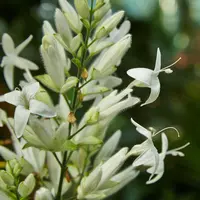
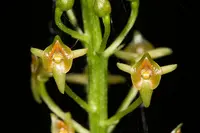
Rock-lily, Arthropodium cirratum, is a clump-forming perennial from New Zealand, often found on coastal cliffs, rocky slopes, and light woodland edges. It forms arching, strappy green leaves from a fibrous root system, creating soft, fountain-like clumps at ground level. In season it sends up airy stems with many small white star-shaped flowers that give the plant a delicate, cloud-like look. This species tolerates wind, salt spray, and light drought once established, which makes it adaptable in many mild climates. Because it is tough yet not aggressive, many gardeners find it straightforward to care for rock-lily in coastal or low-maintenance plantings.

Main Plant Requirements

Care Difficulty

Easy Care

Light Preference

Partial Shade

Water Requirements

Moderate Water

Temperature Preference

Warm Climate

Hardiness Zone

9–11

Soil Texture

Sandy, Loamy, Organic-rich

Soil pH

Acidic (5.5–6.5), Slightly acidic (6.5–7.0)

Soil Drainage

Moist but well-drained

Fertilization

Minimal (feed rarely)

Get Personalized Care Plan

Scan your plant to receive care tips personalized for your specific plant

Available on iOS and Android

How to Care for the rock-lily

Arthropodium cirratum prefers bright, indirect light with some protection from intense midday sun.

  • Provide 3–5 hours of morning sun or light dappled shade; east-facing or lightly shaded south-facing sites suit rock-lily well.
  • Tolerates partial shade, but in very low light flowering decreases and foliage becomes thin or floppy over time.
  • In hot summers, shield from harsh afternoon sun to prevent leaf scorch; in cooler seasons it can handle more direct light.

Arthropodium cirratum prefers evenly moist but not waterlogged soil.

  • Allow the top 3–5 cm of soil to dry before deep watering; soil should feel slightly cool and crumbly, not soggy.
  • In spring and summer, increase watering as growth and evaporation rise; in fall and winter, reduce frequency as the plant slows.
  • Watch for yellowing, soft leaves as a sign of overwatering and dry, browning tips or leaf curl as signs of underwatering; always use well-drained soil.

This species prefers mild, frost-free conditions for strongest growth.

  • Ideal growth occurs around 60–77°F (16–25°C), with steady temperatures helping maintain healthy foliage and flowering.
  • Tolerates brief drops to about 28–30°F (-2 to -1°C) once established, but repeated or hard frosts can damage leaves and young crowns.
  • Handles summer warmth up to about 86°F (30°C) if soil moisture is maintained and roots are mulched; protect from hot, drying winds.

This species grows well in typical indoor humidity around 40–60% and rarely needs special humidity management.

  • Tolerates relatively dry air in heated homes if soil moisture is kept steady, without prolonged drying.
  • Leaf tips browning and edges crisping while soil stays moist can indicate humidity stress rather than underwatering.
  • If air is very dry below 30%, grouping plants together or placing the pot on a pebble tray with water can slightly raise local humidity for rock-lily.

Arthropodium cirratum prefers loose, free-draining soil that still retains moderate moisture.

  • Use a mix of 50–60% loam or general potting mix with 30–40% compost and 10–20% coarse sand or fine gravel for structure.
  • Aim for slightly acidic to neutral pH, roughly 6.0–7.0, which supports balanced nutrient uptake and healthy root growth.
  • Ensure fast drainage so water does not pool; improve heavy or clay soil by incorporating coarse sand and fine bark to create air spaces.
  • Avoid compacted, waterlogged, or purely sandy substrates, which either suffocate roots or dry out too quickly between waterings.

This species is well suited to container growing for patios, balconies, and small gardens.

  • Choose a wide, shallow to medium-depth pot to accommodate its fibrous, spreading roots and natural clumping habit.
  • Use a heavy or weighted container in windy sites so the leafy clumps do not rock and loosen the root ball.
  • Select a pot material with moderate moisture retention, such as glazed ceramic, to keep soil evenly moist without staying saturated.

Arthropodium cirratum grows well in modestly fertile soils but benefits from light feeding in containers or poor ground.

  • Use a balanced liquid fertilizer (around 10-10-10) at 1/2 strength every 4–6 weeks during the spring–summer growing season.
  • Apply a thin layer of compost around the clump in spring to support foliage and flowering without overfeeding.
  • For rock-lily in pots, mix in a slow-release granular fertilizer at label rates at the start of the season.
  • Stop feeding in fall and winter to avoid soft, cold-sensitive growth and nutrient buildup in the soil.

Pruning Arthropodium cirratum is light and mainly focused on tidying and maintaining healthy foliage.

  • Best time for pruning is late winter to early spring, after the coldest weather but before strong new growth.
  • Remove dead, yellowed, or damaged leaves at the base with clean, sharp scissors or hand pruners.
  • Cut spent flower stems down to the foliage level to keep the clump neat and encourage fresh leaves.
  • Thin out congested clumps by taking a few older fans, which maintains airflow and an even, arching shape.

This species is often grown in the ground, but container plants and congested clumps benefit from occasional transplanting.

  • Look for roots circling the pot, slow growth, or the plant lifting itself from the soil as signs it needs attention.
  • Plan repotting or dividing in early spring or early fall, when temperatures are mild and moisture is reliable.
  • Expect to repot containers or lift and divide clumps every 3–4 years to refresh soil and relieve crowding.
  • Gently tease roots apart, trim any damaged sections, replant at the same depth, and water thoroughly to settle soil and reduce stress.

Arthropodium cirratum is most commonly propagated by division, with seed used mainly for larger-scale or breeding work.

  • Divide mature clumps in early spring or early fall, when the plant is actively rooting but not stressed by heat.
  • Lift the clump, separate fans with attached roots into sections, and replant them immediately into moist, free-draining soil.
  • Keep new divisions shaded from strong sun and evenly moist for 2–4 weeks to encourage fast root establishment.
  • Seeds may be sown fresh in trays of fine, well-drained mix, kept lightly moist at 60–70°F for gradual germination.

In mild coastal climates Arthropodium cirratum is fairly tolerant, but in colder inland areas it benefits from moderate winter protection.

  • Plants tolerate light frosts, but repeated freezes below about 25°F can damage foliage and crowns.
  • Apply a 5–8 cm layer of organic mulch around the root zone in late fall, keeping it just clear of the crown.
  • Move container-grown plants to a sheltered porch, unheated greenhouse, or bright indoor spot before hard frost.

Care Tips

Divide mature clumps

Every 3–5 years, lift and divide congested clumps in late winter or early spring, replanting healthy sections with fresh organic matter to maintain vigor and prevent the center from dying out.

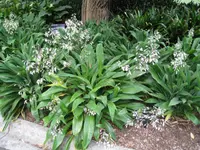
Use living mulch

Under taller shrubs or small trees, use this plant as a living groundcover to shade its own roots, reduce moisture loss, and suppress weeds without heavy competition from deep-rooted plants.

Protect from slugs

In damp climates, place low, rough barriers (such as coarse sand or crushed gravel) around new plantings and check regularly at night, removing slugs and snails before they shred the soft foliage.

Storm and wind shielding

In exposed coastal or windy sites, install low windbreaks or plant behind solid structures so the arching leaves do not tear, which helps keep the foliage cleaner and reduces stress.

Manage leaf litter

Leave a light layer of fallen leaves around the base as natural mulch but remove thick, wet mats in winter so the crown does not stay waterlogged, which improves long-term success when growing rock-lily.

Common Pests and Diseases

Slugs and snails

This pest is strongly attracted to the soft, strap-like leaves and young flower stems, especially in damp, shaded situations. Symptoms include irregular chew marks, missing sections of foliage, and slime trails on or around the plant.

Solution

Hand-pick slugs and snails in the evening, use beer traps or iron phosphate-based pellets around but not touching the clumps, and reduce hiding spots like dense mulch or debris. In wetter gardens, consider copper tape barriers for pots and check plants frequently during peak growth to protect new shoots when caring for rock-lily.

Mealybugs

These insects sometimes lodge in leaf bases and along flower stems, forming white cottony clumps and causing leaf yellowing or general decline. Symptoms include sticky honeydew and sooty mold growth on affected areas.

Solution

Wipe visible colonies with cotton swabs dipped in isopropyl alcohol, then wash foliage with a mild insecticidal soap solution, ensuring it reaches leaf bases. Improve light and airflow, isolate heavily infested plants, and repeat treatment weekly until no new mealybugs appear.

Scale insects

This pest may appear as small, dome-shaped brown or tan bumps along leaves and stems, slowly weakening clumps over time. Symptoms include sticky honeydew, black sooty mold, and reduced vigor of older plantings.

Solution

Scrape or rub off scale by hand or with a soft cloth where practical, then treat remaining insects with horticultural oil, coating all leaf and stem surfaces. Increase light and reduce plant stress through correct watering and feeding, and repeat oil applications according to label directions to catch newly hatched crawlers.

Leaf spot

This disease causes brown, tan, or dark purple spots on leaves, sometimes with yellow halos, often appearing after periods of prolonged moisture or poor air circulation. Symptoms include premature leaf yellowing and cosmetic damage to the clump.

Solution

Remove and dispose of affected leaves to reduce the source of infection, and water at the base of the plant rather than overhead so foliage dries quickly. Improve spacing and airflow, refresh old mulch, and if spots continue to spread, apply a registered fungicide labeled for ornamental leaf spots following all safety directions.

Crown rot

This disease can occur in heavy or waterlogged soils, leading to soft, rotting crowns, leaf collapse, and eventual plant death. Symptoms include a foul smell at the base and leaves that yellow and pull away easily from the crown.

Solution

Improve drainage by planting in raised beds or well-draining soil and avoid overwatering, particularly in cool, wet seasons. Remove and discard severely affected plants, replant only into free-draining soil, and avoid burying the crown too deeply or packing mulch tightly around the plant base.

Interesting Facts

Coastal cliff specialist

This species is naturally adapted to exposed New Zealand coastal cliffs and rock faces, where it anchors in crevices and tolerates salt-laden winds and periodic drought.

Rhizomatous colony former

It grows from tough, fleshy rhizomes that slowly spread to form dense clumps, helping it stabilize thin, erosion-prone soils on rocky slopes.

Night-scented flowers

The starry white flowers release more fragrance in the evening and at night, which helps attract nocturnal pollinators such as moths in its native range.

Botan icon

Did you know?

In traditional Māori gardening, renga lilies were sometimes planted around kūmara (sweet potato) plots, and the rhizomes were cooked and eaten as a minor food source, giving the plant both cultural and practical value in coastal communities.

FAQs about rock-lily

Lack of flowers usually comes from insufficient light, nutrient-poor or very rich soil, or division that was done too recently. Mature clumps bloom best when not disturbed often and given a cool, defined winter rest period.

Grow Healthy Plants with Botan Care

Keep your plants happy and healthy with plant identification, disease detection, and easy care guidance.

Botan plant care app — identify plants on mobile

Explore More Plants