African Purslane Care (Zaleya pentandra)

African Purslane

About African Purslane

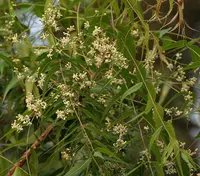
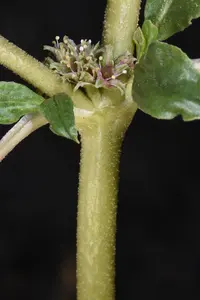
African purslane (Zaleya pentandra) is a low, spreading succulent groundcover with fleshy, small leaves and star-shaped yellowish flowers. It forms dense mats that quickly cover open soil. This species is native to arid and semi-arid regions of Africa and parts of Asia, where it thrives in hot, dry conditions and poor, sandy soils. Its drought tolerance and fast growth make it a resilient choice for dry gardens and erosion control. It suits gardeners who want to care for African Purslane with minimal effort, as long as it receives plenty of sun and well-drained soil.

Main Plant Requirements

Care Difficulty

Easy Care

Light Preference

Full Sun

Water Requirements

Low Water

Temperature Preference

Tropical / Frost Sensitive

Hardiness Zone

10–12

Soil Texture

Sandy, Loamy, Rocky

Soil pH

Slightly acidic (6.5–7.0), Neutral (7.0)

Soil Drainage

Well-drained

Fertilization

Minimal (feed rarely)

Get Personalized Care Plan

Scan your plant to receive care tips personalized for your specific plant

Available on iOS and Android

How to Care for the African Purslane

Zaleya pentandra thrives in bright, open sites with strong sun and short periods of shade.

  • Provide 6–8 hours of direct sun daily; morning and midday sun are ideal, with light afternoon shade in very hot regions.
  • Plant in an exposed position; it tolerates partial shade but stems may stretch and flowering can decrease with less than 4–5 hours of sun.
  • In summer, watch for leaf scorch or pale, dry patches from extreme reflected heat; in cooler seasons, choose the brightest, sunniest spot available.

This drought-tolerant species prefers infrequent, deep watering and fast-drying soil.

  • Water only when the top 3–5 cm of soil are completely dry, then soak the root zone and allow excess water to drain away fully.
  • Use very free-draining, sandy or gravelly soil; standing water or heavy clay greatly increases the risk of root rot in Zaleya pentandra.
  • In hot summer periods, leaves that wrinkle or droop signal the need for a thorough watering; yellowing, soft stems indicate overwatering or poorly drained soil.

This warm-climate groundcover grows best in hot, frost-free conditions.

  • Aim for 70–90°F (21–32°C) as the main growing range, where growth and flowering are most active.
  • Protect the plant from temperatures below 40°F (4°C); light frost can damage foliage and harder frost can kill roots.
  • It tolerates heat up to about 100°F (38°C) if soil is not waterlogged; in cooler seasons, growth slows but resumes quickly once warmth returns above 65°F (18°C).

This drought-adapted succulent tolerates a wide humidity range and usually needs no special humidity control.

  • Ideal humidity is 30–60%, similar to most indoor and outdoor conditions in dry or semi-dry climates.
  • African Purslane handles dry air well but may shrivel slightly if combined with prolonged underwatering and intense heat.
  • Signs of humidity stress include soft, mushy stems from excess moisture or very shriveled leaves from extreme dryness with heat.
  • Increase humidity only in very hot, arid rooms by grouping plants or placing a water tray nearby, while keeping foliage dry.

Zaleya pentandra prefers lean, very fast-draining soil that mimics sandy, rocky habitats.

  • Use a gritty mix such as 50–70% coarse sand or fine gravel blended with 30–50% cactus potting mix for structure and nutrients.
  • Ensure rapid drainage to prevent root rot; the soil should wet evenly, then dry quickly within 1–3 days in warm conditions.
  • Aim for slightly acidic to neutral pH around 6.0–7.2, which most commercial cactus or succulent mixes naturally provide.
  • Improve aeration by adding extra perlite or pumice and avoid heavy clay, peat-heavy, or compacted soils that hold water around the roots.

This species is well suited to container growing, especially in regions with cool or wet winters.

  • Choose a wide, shallow pot to accommodate its spreading habit while preventing excessive unused depth that can trap moisture.
  • Select unglazed terracotta if faster drying is needed in humid or rainy climates, as it allows moisture to evaporate through the pot walls.
  • Place containers where excess runoff drains freely so trailing stems do not sit in pooled water around the pot base.

This drought-tolerant groundcover needs only light feeding in typical garden soil.

  • Apply a thin layer of compost around plants in spring to support steady growth.
  • Where growth seems weak, use a balanced NPK fertilizer at 1/2 strength every 6–8 weeks in the warm growing season.
  • Avoid feeding during winter or any dormant period to limit soft, frost-tender growth.
  • Water lightly after applying fertilizer to help nutrients move into the root zone and prevent salt buildup.

Pruning helps Zaleya pentandra stay compact and encourages fresh, flowering growth.

  • Trim back long, straggly stems in late spring or early summer to maintain a low, dense mat.
  • Remove dead, damaged, or diseased shoots whenever noticed to reduce pest and disease issues.
  • Lightly thin crowded areas to improve air movement and light penetration across the plant.
  • Use sharp, clean scissors or hand pruners and make cuts just above a leaf node.

This species is more often used as a groundcover, but container plants still benefit from occasional transplanting.

  • Transplant or up-pot in spring when roots circle the pot, drainage slows, or top growth stalls despite good care.
  • Plan on moving container plants into a slightly larger pot every 2–3 years, using a fast-draining, gritty mix.
  • Water the plant well the day before transplanting to reduce root stress and make removal easier.
  • After transplanting, firm the mix gently, water thoroughly, then keep in bright, indirect light for 3–5 days.

Zaleya pentandra is commonly propagated from stem cuttings and seeds in warm conditions.

  • Take 5–8 cm non-flowering stem cuttings in late spring or summer and remove lower leaves.
  • Allow cut ends to dry briefly, then place in moist, sandy or gritty mix with good air circulation.
  • Keep cuttings warm at 70–80°F with bright, indirect light until roots form.
  • Sow seeds on the surface of well-drained mix, keep slightly moist, and provide warmth for even germination.

This warm-climate plant is frost sensitive and needs protection in regions with cold winters.

  • In USDA zones below 9, grow Zaleya pentandra in containers and move indoors before frost is forecast.
  • Provide a bright, cool indoor spot and water sparingly to keep the soil just barely dry between waterings.
  • In mild climates, use a light mulch around the root zone to buffer short, cool spells without waterlogging.

Care Tips

Edge Containment

Install shallow edging or a buried plastic barrier 5–8 cm deep around beds to prevent this fast-spreading plant from rooting beyond the intended area and outcompeting neighboring groundcovers.

Heat-Stress Recovery

After very hot, dry spells, lightly trim back leggy, wilted stems and provide one deep soak to stimulate compact regrowth rather than letting tired stems sprawl and decline.

Targeted Groundcover Use

Use the plant to quickly stabilize poor, sandy, or eroding slopes by planting on a grid pattern 20–30 cm apart, allowing it to knit together into a low mat that reduces surface runoff and soil loss.

Low-Maintenance Weed Suppression

For low-traffic areas, allow a dense mat to form and then spot-weed only the gaps in the first season, which helps the canopy close faster and suppress annual weeds without heavy mulching when growing African Purslane.

Propagation By Stem Sections

For rapid clonal increase, cut healthy, non-woody stems into 8–10 cm sections, strip the lower leaves, and lay them horizontally on the soil surface with light contact so multiple nodes can root and form a thicker groundcover.

Common Pests and Diseases

Aphids

This pest often colonizes tender shoots, stems, and flower stalks of African purslane, sucking sap and causing distortion or yellowing. Symptoms include sticky honeydew on surfaces and the presence of ants tending the insects.

Solution

Rinse colonies off with a firm stream of water and pinch back heavily infested tips. For ongoing Zaleya pentandra care, use insecticidal soap or a light horticultural oil spray in the early morning, repeating every 5–7 days until populations decline, and reduce excess nitrogen fertilization that encourages soft, aphid‑prone growth.

Spider mites

These insects are actually tiny arachnids that thrive on Zaleya pentandra in hot, dry conditions, causing stippled, dull foliage and fine webbing between stems. Symptoms include slow growth and leaves that look dusty or speckled when viewed closely.

Solution

Increase humidity around container plants, then hose down stems and leaf surfaces thoroughly, including the undersides. Apply insecticidal soap or a low‑rate neem oil spray every 5–7 days for several cycles, and keep plants less stressed by avoiding prolonged drought, which favors mite outbreaks.

Leaf spots

This disease appears as small, tan to dark spots on older leaves, sometimes with yellow halos, especially after periods of high humidity or overhead watering. Symptoms include premature leaf drop on lower parts of the plant and a general thinning of foliage.

Solution

Remove and discard affected leaves and plant debris from around clumps to reduce pathogen spread. Water at soil level in the morning, improve spacing and air flow, and, if spotting continues to spread, use a copper‑based or chlorothalonil fungicide labeled for ornamental groundcovers, following label directions closely.

Powdery mildew

This disease shows up as white or gray powdery patches on leaves and stems, most often on plants growing in partial shade with poor air movement. Symptoms include reduced vigor and leaves that yellow and dry prematurely if infection is heavy.

Solution

Increase sun exposure where possible, thin overcrowded patches, and avoid overhead watering late in the day. Remove heavily infected leaves and apply a sulfur or potassium bicarbonate fungicide labeled for ornamentals at the first sign of mildew, repeating as directed to protect new growth.

Interesting Facts

Wide native distribution

This creeping succulent is native to arid and semi-arid regions across Africa, the Arabian Peninsula, and parts of South Asia, where it is adapted to hot, dry, and often saline habitats.

Halophyte salt tolerance

Zaleya pentandra is considered a halophyte, meaning it can grow in soils with relatively high salt levels, aided by its succulent, water-storing tissues that help buffer salt stress.

Prostrate mat growth

The plant forms low, prostrate mats with rooting nodes along its stems, which allows it to stabilize loose or disturbed soils and rapidly cover open ground in its native environments.

FAQs about African Purslane

Brown leaves usually result from prolonged drought, intense heat on dry soil, or fertilizer burn. Check soil moisture, reduce feeding, and trim worst-affected parts. New growth often returns healthy once watering and feeding are balanced again.

Grow Healthy Plants with Botan Care

Keep your plants happy and healthy with plant identification, disease detection, and easy care guidance.

Botan plant care app — identify plants on mobile

Explore More Plants