Staggered Harvesting
Pinch or cut 5–8 cm stem tips every 2–3 weeks instead of taking large harvests at once to keep plants compact, delay flowering, and extend the productive season when caring for catnip.

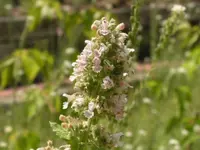
Catnip, or Nepeta cataria, is a hardy, aromatic herb in the mint family. It is best known for its stimulating effect on many cats. The plant typically forms loose, bushy clumps with soft, gray-green, slightly fuzzy leaves and small whitish flowers dotted with purple. It tends to have a relaxed, somewhat sprawling growth habit. In the wild, catnip occurs in parts of Europe, Asia, and has naturalized widely in North America along roadsides, fields, and disturbed areas. It is generally easy to grow, as it tolerates poor soils and short dry periods. Full sun and well-drained soil help when you care for catnip, both in gardens and containers.

Care Difficulty
Easy Care

Light Preference
Full Sun

Water Requirements
Low Water

Temperature Preference
Cold Hardy

Hardiness Zone
3–9

Soil Texture
Sandy, Loamy, Rocky

Soil pH
Slightly acidic (6.5–7.0), Neutral (7.0)

Soil Drainage
Well-drained

Fertilization
Minimal (feed rarely)
Scan your plant to receive care tips personalized for your specific plant
Available on iOS and Android
Nepeta cataria grows best in bright conditions with several hours of direct sun each day.
Nepeta cataria prefers slightly dry conditions and is sensitive to soggy soil.
This hardy perennial tolerates a wide range of temperatures but grows fastest in moderate warmth.
This species handles typical indoor humidity well and rarely needs adjustment.
Nepeta cataria prefers light, well-draining soil that does not stay wet for long.
This species grows reliably in containers outdoors when given enough root space and drainage.
This herb grows well in moderately fertile soil and needs only light feeding to stay healthy.
Thoughtful pruning keeps Nepeta cataria compact, leafy, and flowering well.
Garden-grown plants are usually transplanted rather than repotted, and they tolerate this well with proper timing.
This species is commonly multiplied by seed, stem cuttings, and division.
Established plants are quite cold hardy in most temperate climates and need only minimal winter attention.

Plant Health Check
Not sure what's wrong with your plant? Check your plant's health inside the app.
The euphoric or playful reaction many cats show to this species depends on a single dominant gene; kittens and some adult cats that lack this gene show no response at all.
Its essential oil, rich in nepetalactone, has been shown in laboratory tests to repel some mosquitoes and other insects more effectively than certain synthetic repellents, although it evaporates faster outdoors.
Although botanically a perennial, this species often behaves like a short-lived plant that self-seeds freely, forming new colonies near the parent clump rather than relying on a long individual lifespan.
Historical records show that this species was cultivated in European monastery and cottage gardens centuries before the widespread use of tea, and its leaves were commonly brewed as a mild herbal infusion for everyday drinking.
Yellowing leaves often result from excess moisture, poor drainage, or nutrient imbalance. Check that the pot drains well, allow the top soil to dry between waterings, and avoid frequent fertilizing, especially high-nitrogen products.
Keep your plants happy and healthy with plant identification, disease detection, and easy care guidance.