Wood Dock Care (Rumex sanguineus)

Also known as: red-veined dock, Bloody Dock
Wood Dock

About Wood Dock

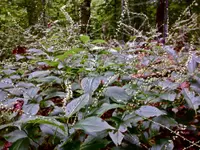
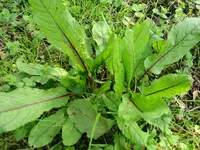
Wood dock (Rumex sanguineus) is a herbaceous perennial often grown for its striking red-veined leaves. It forms low clumps that give a garden or container a textured, ornamental look.

The plant is native to parts of Europe and western Asia but is now grown more widely as a leafy accent and occasional edible green. It tends to be undemanding, adapting to cool to mild climates and coping with a range of garden soils.

It prefers consistent moisture, reasonably fertile soil, and light from partial shade to gentle sun. These traits make it relatively simple to care for Wood Dock in many home gardens.

Main Plant Requirements

Care Difficulty

Moderate Care

Light Preference

Partial Shade

Water Requirements

Keep Soil Moist

Temperature Preference

Cool Climate

Hardiness Zone

6–9

Soil Texture

Loamy, Silty, Organic-rich

Soil pH

Acidic (5.5–6.5), Slightly acidic (6.5–7.0)

Soil Drainage

Moist but well-drained

Fertilization

Light (every 4–6 weeks)

Get Personalized Care Plan

Scan your plant to receive care tips personalized for your specific plant

Available on iOS and Android

How to Care for the Wood Dock

Rumex sanguineus grows best with consistent, moderate sunlight and protection from harsh extremes.

  • Provide 4–6 hours of sun daily, ideally with morning sun and light afternoon shade to prevent leaf scorch on Wood Dock.
  • In hot climates, use filtered light under open trees or a shade cloth to avoid midday sun, which can bleach or crisp leaves.
  • In cooler seasons, allow more direct sun to maintain strong red veins, but avoid sites shaded for more than 70% of the day.

Rumex sanguineus prefers evenly moist soil that never stays waterlogged or bone dry for long.

  • Water when the top 2–3 cm of soil feels dry, aiming for soil that is consistently moist but not soggy after absorption.
  • Use well-drained soil; standing water or a sour smell signals poor drainage and risk of root rot, while limp, folding leaves suggest underwatering.
  • In spring and summer, expect more frequent watering during active growth; reduce in cool seasons while preventing the soil from fully drying out.

This species is a cool-season perennial that handles mild cold but dislikes extreme heat or deep frost.

  • Aim for active growth in 55–70°F (13–21°C), which supports strong foliage color and steady leaf production.
  • Mature plants tolerate light frosts down to about 25°F (-4°C), but repeated freezes below this can damage crowns and reduce regrowth.
  • In summer, growth slows above 80°F (27°C); provide afternoon shade and consistent moisture to limit heat stress and leaf wilting.

This species handles a wide humidity range and rarely needs special adjustment in typical home conditions.

  • Aim for 40–60% humidity; it also tolerates slightly drier air without serious stress.
  • Leaf edges browning and tips crisping, with otherwise moist soil, can indicate air that is too dry.
  • Group Wood Dock with other plants or place near a tray of water and pebbles to gently raise local humidity.

Rumex sanguineus prefers consistently moist, loose soil that stays aerated and drains freely.

  • Use a loamy, organic-rich mix, such as 2 parts peat-free compost, 1 part garden loam, and 1 part perlite or coarse sand.
  • Aim for slightly acidic to neutral pH around 6.0–7.0 for best nutrient availability.
  • In heavy or clay soils, incorporate plenty of compost and coarse grit to improve drainage and root aeration.
  • Avoid compacted, waterlogged, or very sandy soils that either suffocate roots or dry out within hours.

This species grows well in containers when moisture and root space are managed carefully.

  • Choose a pot at least 20–25 cm deep so the taproot can extend without curling tightly at the base.
  • Select a slightly heavier pot material, such as ceramic, to keep the leafy top growth stable in wind.
  • Elevate the container on feet or bricks so drainage holes stay clear and excess water escapes quickly.

Rumex sanguineus grows well in modest soils but benefits from light feeding in containers or depleted beds.

  • Use a balanced liquid fertilizer (such as 10-10-10) at 1/2 strength every 4–6 weeks during spring–summer for potted plants.
  • Apply a thin layer of compost around outdoor Wood Dock once in spring to support foliage growth.
  • Skip feeding in late fall–winter to avoid soft, frost-tender growth.
  • Flush pots with plain water occasionally to reduce salt buildup from fertilizers.

Pruning Rumex sanguineus is mainly done to keep the clump tidy and extend leaf production.

  • In spring and through the growing season, cut back yellowing, damaged, or pest-scarred leaves at the base with clean scissors or hand pruners.
  • Remove tall flower stalks as they appear if leafy growth is preferred over seed production.
  • Thin crowded stems from the center of the clump to improve air circulation and reduce fungal issues.
  • At season’s end, shear back old foliage to a low rosette to encourage fresh growth next year.

This plant forms a taproot and prefers not to be disturbed often, so plan repotting or transplanting Rumex sanguineus carefully.

  • Consider moving the plant only every 2–3 years, when roots circle the pot, growth slows, or soil dries out very quickly.
  • Transplant in early spring or early fall, when temperatures are mild and the plant is less stressed.
  • Use a deep container or garden spot with well-drained, moderately fertile soil to accommodate the taproot.
  • Water thoroughly after moving, then keep soil evenly moist for 1–2 weeks to support root recovery.

New Rumex sanguineus plants are most often raised from seed or by division of established clumps.

  • Sow fresh seeds in spring in trays or direct in the garden, using moist, well-drained soil and light cover, as seeds need some light to germinate.
  • Keep seed trays at 60–70°F and evenly moist until seedlings develop several true leaves.
  • Divide mature clumps in early spring, lifting carefully and separating sections with strong roots and several shoots.
  • Replant divisions immediately at the same depth and water well to settle soil around the roots.

Rumex sanguineus is generally cold hardy and needs minimal winter care in most temperate climates.

  • In cold regions, allow foliage to die back naturally after frost; the crown usually survives and resprouts in spring.
  • Add a 3–5 cm mulch layer over the root zone in late fall to moderate soil temperature and moisture.
  • For container plants in very cold areas, move pots to a sheltered, unheated spot to prevent root freeze-thaw damage.

Care Tips

Succession Harvesting

Cut outer leaves regularly while leaving the central growth point intact to keep the plant producing fresh foliage over a longer season.

Flavor Management

For milder, less sour leaves, grow Wood Dock in partial shade and harvest younger leaves in the morning when oxalic acid levels in the leaf surface are often slightly lower.

Bolting Control

Remove emerging flower stalks as soon as they appear to slow bolting and extend the usable leafy growth period.

Container Root Management

In pots, gently lift and divide crowded clumps every 1–2 years to prevent root binding and maintain vigorous, tender leaf production.

Sanitary Leaf Handling

Always harvest with clean, sharp scissors and promptly remove any yellowing or damaged foliage to reduce fungal issues and foliar pest attraction.

Common Pests and Diseases

Dock aphids

This pest commonly colonizes leaves and stems, sucking sap and causing curling, yellowing, and sticky honeydew deposits that can lead to sooty mold. Infestations are often concentrated on young, tender growth and flowering stalks.

Solution

Start by spraying plants with a strong stream of water to dislodge colonies, then repeat every few days as needed. For heavier infestations, use insecticidal soap or a ready-to-use horticultural oil, ensuring thorough coverage of leaf undersides, and reduce excess nitrogen fertilization that encourages soft, aphid-prone growth.

Dock flea beetles

These insects chew small round or shot-hole patterns in leaves, which can make foliage unattractive and reduce vigor in young plants. Symptoms include clusters of tiny holes, often appearing suddenly in warm, dry weather.

Solution

Protect young plants with row covers or fine mesh until foliage is well established, and remove nearby weeds in the dock family that harbor beetles. For active infestations, handpick beetles in the early morning or apply a spinosad-based product in the evening, following label directions and avoiding application when pollinators are present.

Leaf miners

These insects create winding, pale tunnels inside leaves as the larvae feed between leaf surfaces. Symptoms include serpentine trails or blotches that reduce the plant’s ornamental value and photosynthetic area.

Solution

Promptly remove and discard affected leaves to interrupt the life cycle and reduce future generations. If damage is ongoing, use yellow sticky traps to monitor adults and consider applying a systemic insecticide labeled for edible greens, following pre-harvest intervals if the foliage is used in the kitchen while growing Wood Dock.

Rust

This disease produces orange to brown powdery pustules on the undersides of leaves, often with yellowing spots on top. Symptoms include premature leaf drop and overall reduction in plant vigor when infections are heavy.

Solution

Remove and destroy affected leaves as soon as symptoms appear and avoid overhead watering to keep foliage dry. Improve airflow by spacing plants properly, and if rust persists, use a sulfur or copper-based fungicide labeled for leafy greens, applying at the first signs of infection and repeating as directed on the label.

Powdery mildew

This disease causes a white or gray powdery coating on leaf surfaces, which can lead to distortion, reduced growth, and early leaf loss. Symptoms include dull, faded foliage that may curl or yellow over time.

Solution

Increase spacing and airflow, and water at the base of plants rather than on the leaves to reduce humidity around foliage. At early onset, remove heavily affected leaves and treat remaining foliage with a potassium bicarbonate, neem oil, or horticultural oil product labeled for edible crops, repeating applications on a 7–14 day schedule as needed.

Interesting Facts

Distinct red venation

The leaves show a strong contrast between bright green blade tissue and deep red to purple veins, caused by anthocyanin pigments concentrated along the vascular bundles.

Short-lived perennial habit

In mild climates the plant often behaves as a short-lived perennial, regenerating from its crown and taproot for several seasons if flower stalks are cut before heavy seed set.

Edible but acidic foliage

The young leaves are edible and used sparingly in salads or as a pot herb, but they contain notable oxalic acid levels, so are typically consumed in moderation and often cooked or mixed with milder greens.

Botan icon

Did you know?

This species has become a popular selection for ornamental edible gardens because its strong red venation remains visible even in low-nutrient soils, making it useful as both a salad crop and a decorative foliage plant.

FAQs about Wood Dock

This species self-seeds readily and can spread if flower spikes are left to set seed. In small gardens, remove spent flower stalks before seeds mature or grow it in contained beds to limit unwanted expansion.

Grow Healthy Plants with Botan Care

Keep your plants happy and healthy with plant identification, disease detection, and easy care guidance.

Botan plant care app — identify plants on mobile

Explore More Plants