richweed Care (Collinsonia canadensis)

Also known as: citronella horse balm
richweed

About richweed

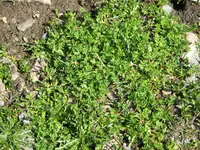
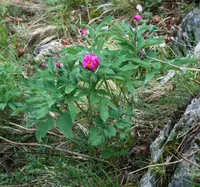
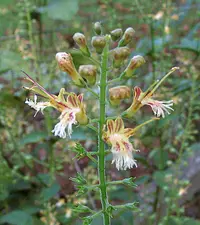
Richweed, or Collinsonia canadensis, is a hardy perennial herb in the mint family, native to moist woodlands in eastern North America. It forms upright clumps with square stems, large toothed leaves, and airy clusters of small yellowish flowers held above the foliage late in the season.

This plant favors partial shade, consistent soil moisture, and rich, humus-based soil, which reflects its forest-floor origins. Once established in suitable conditions, it is generally reliable and low-maintenance, but it dislikes dry, compacted ground.

Gardeners who want to care for richweed successfully should focus on matching its natural woodland setting as closely as possible, especially in terms of moisture and shade.

Main Plant Requirements

Care Difficulty

Moderate Care

Light Preference

Partial Shade

Water Requirements

Regular Water

Temperature Preference

Cold Hardy

Hardiness Zone

4–8

Soil Texture

Loamy, Silty, Organic-rich

Soil pH

Acidic (5.5–6.5), Slightly acidic (6.5–7.0)

Soil Drainage

Moist but well-drained

Fertilization

Minimal (feed rarely)

Get Personalized Care Plan

Scan your plant to receive care tips personalized for your specific plant

Available on iOS and Android

How to Care for the richweed

This woodland perennial prefers bright shade that mimics a light forest understory.

  • Provide dappled or filtered light under trees, or 2–4 hours of gentle morning sun with afternoon shade.
  • Richweed tolerates deep shade but may grow taller and flower less if light drops below about 2 hours of indirect light daily.
  • Avoid strong afternoon sun, which can scorch leaves and dry soil quickly, especially in summer or in exposed southern and western aspects.

This species prefers consistently moist, cool soil without standing water.

  • Water when the top 2–4 cm of soil feels barely dry, aiming to keep the root zone evenly damp during active growth.
  • Use loose, organic-rich soil that drains well; puddling for longer than 30–60 minutes after rain indicates poor drainage and higher rot risk.
  • Reduce watering frequency in late fall and winter, but do not allow the soil to become bone dry; wilting and crisp leaf edges signal underwatering.

This hardy woodland plant thrives in temperate climates with cool to warm summers.

  • Optimal growth occurs around 65–80°F (18–27°C), with best vigor in sites that stay cooler and shaded during hot afternoons.
  • Collinsonia canadensis tolerates down to about -20°F (-29°C) once established, dying back to the roots and resprouting in spring.
  • In summer, prolonged heat above 90°F (32°C) can stress plants; extra shade and mulch help keep roots cool and reduce moisture loss.

This woodland perennial handles a range of humidity but grows best with moderately moist air.

  • Aim for 40–60% humidity, similar to a shaded, damp forest edge where richweed naturally occurs.
  • It tolerates short dry spells but prolonged very dry air combined with heat can cause leaf edges to brown and curl.
  • Increase humidity outdoors by mulching and grouping plants; in sheltered spots, use damp mulch and avoid hot, drying winds.

This species prefers moist, deep, humus-rich soil that mimics a deciduous woodland floor.

  • Use a loamy mix with 40–60% compost or leaf mold blended into native soil to create an organic-rich, crumbly structure.
  • Ensure slow, steady drainage; soil should stay evenly moist but never waterlogged, so avoid compacted clay or hardpan sites.
  • Keep pH slightly acidic to neutral, around 6.0–7.0, which supports nutrient availability for Collinsonia canadensis.
  • Improve aeration and drainage by incorporating fine pine bark or coarse sand into heavy soil, breaking up clods before planting.

Collinsonia canadensis can grow in containers if the pot mimics a deep, cool, woodland-like root zone.

  • Choose a tall, relatively narrow container to provide deep rooting space while limiting surface evaporation in summer.
  • Use a heavy or weighted pot to keep the plant stable, since upright flowering stems can make it top-heavy in wind.
  • Line the pot bottom with a thin layer of coarse bark or chunky material to prevent drain holes from clogging while maintaining moisture.

Collinsonia canadensis thrives in moderately fertile woodland soils and usually needs only light feeding.

  • Use a thin layer of compost or leaf mold in spring to mimic its native forest conditions when caring for richweed.
  • In poorer soils, apply a balanced, slow-release fertilizer (around 10-10-10) at half strength once in late spring.
  • Avoid high-nitrogen products that promote weak, lush growth over sturdy stems and flowers.
  • Do not feed in late fall or winter, when the plant is naturally dormant.

Pruning Collinsonia canadensis is simple and mainly focuses on cleanliness and maintaining a tidy clump.

  • Cut back spent flower stalks after blooming in late summer to keep the plant compact and encourage root strength.
  • Remove dead, damaged, or diseased stems at ground level with clean, sharp pruners.
  • Thin out a few crowded stems in early spring if the clump becomes congested, improving air flow.
  • Avoid heavy cutting into healthy growth during the main flowering period to preserve pollinator value.

This species is most often grown in the ground, so care usually centers on transplanting rather than container repotting.

  • Transplant in early spring or early fall, when temperatures are mild and soil moisture is steady.
  • Look for slow growth, crowded crowns, or roots circling a nursery pot as signs it needs more space.
  • Move clumps into a shaded or part-shade site with moist, well-drained soil, disturbing roots as little as possible.
  • Water thoroughly after transplanting, then keep soil evenly moist for several weeks to reduce stress and support re-establishment.

Collinsonia canadensis is commonly propagated by seed or by division of mature clumps.

  • Divide established plants in early spring just as new shoots emerge, replanting sections with several buds and roots.
  • Sow fresh seed outdoors in fall so natural winter chilling breaks dormancy and improves germination.
  • For indoor seed starts, provide cold stratification in a refrigerator for 6–8 weeks, then sow in moist, well-drained mix.
  • Keep newly divided or seeded areas evenly moist and shaded until growth is strong and stable.

This woodland perennial is cold hardy in much of its range and needs only modest winter attention in gardens.

  • In zones with freezing winters, the top growth dies back while roots survive underground.
  • Apply a 5–7 cm layer of leaf mold or bark mulch in late fall to insulate the root zone.
  • Container-grown plants in cold regions benefit from being moved into an unheated but frost-free garage or porch.

Care Tips

Mulch for Moisture

Apply a 5–8 cm layer of shredded leaf mulch around the root zone to keep the shallow roots cool, conserve moisture, and gradually improve the woodland soil structure.

Staggered Division

Divide older clumps every 3–4 years in early spring, replanting outer, more vigorous sections to maintain flowering quality and prevent overcrowding in shade beds when growing richweed.

Understory Companions

Plant alongside other woodland perennials of similar height and moisture needs, such as ferns and Solomon’s seal, to create a stable understory that helps shade the soil and reduce weed pressure.

Slug and Snail Management

Use beer traps, copper tape, or nighttime hand-picking around young shoots in spring to reduce slug and snail damage, which can disfigure emerging foliage and slow establishment.

Seed Ripening Control

Allow some flower spikes to set seed for naturalizing, but cut back most spent stems once seeds darken to prevent excessive self-sowing and to direct more energy into the main clump.

Common Pests and Diseases

Leaf-chewing caterpillars

This pest feeds on the broad leaves, leaving irregular holes and ragged edges, especially on plants growing in woodland edges or shaded beds. Symptoms include noticeable defoliation on upper leaves while stems remain intact.

Solution

Hand-pick caterpillars in early morning or evening and drop them into soapy water, and encourage natural predators by avoiding broad-spectrum insecticides nearby. For heavier damage, use a targeted Bacillus thuringiensis (Bt) product on foliage, following label directions and reapplying after heavy rain if needed.

Four-lined plant bugs

These insects pierce and suck sap from the leaves, creating small, round, sunken spots that may turn tan or brown and sometimes merge into larger blotches. Symptoms include cosmetic spotting that can make foliage look scorched even though the plant often remains vigorous.

Solution

Prune off heavily spotted leaves to reduce feeding sites and improve air flow, and monitor in late spring when nymphs first appear. If populations are high, use insecticidal soap or a light horticultural oil spray on both sides of leaves, applied in the cool part of the day to avoid leaf burn.

Foliar leaf spots

This disease complex, often fungal, causes scattered brown to purplish spots that may have lighter centers and can coalesce along leaf veins. Symptoms include premature yellowing and dropping of older leaves, especially in damp, shaded locations with poor air movement.

Solution

Remove and discard affected leaves promptly, keep overhead watering to a minimum, and space plants to improve air flow. In repeatedly wet seasons, a copper-based or chlorothalonil fungicide can be applied preventively according to label directions, focusing on new foliage.

Powdery mildew

This disease appears as white to gray, powdery patches on upper leaf surfaces, sometimes causing mild leaf distortion or early leaf drop in crowded, humid plantings. Symptoms include dull, faded-looking foliage even when leaves are not heavily spotted or chewed.

Solution

Thin surrounding vegetation or divide crowded clumps to improve light and air movement, and water at soil level rather than over foliage. At early signs, treat with a labeled sulfur, potassium bicarbonate, or horticultural oil product for powdery mildew, repeating as directed until conditions dry out.

Interesting Facts

Unusual lemon scent

When its leaves or stems are crushed, this plant releases a distinct lemony, resinous aroma due to volatile oils typical of the mint family, which helps distinguish it from many other woodland herbs.

Late-season woodland bloomer

It flowers in late summer to early fall on tall, airy panicles, providing nectar for bees and other insects at a time when many native woodland plants have already finished blooming.

Moist forest indicator

In much of its native range in eastern North America, this species commonly occurs in rich, moist, deciduous forests and is often used by botanists as an indicator of high-quality, undisturbed woodland habitat.

Botan icon

Did you know?

The species was first described and named by the Swedish botanist Carl Linnaeus in the 18th century, and the genus name Collinsonia honors the English botanist Peter Collinson, a key figure in early botanical exchanges between Europe and North America.

FAQs about richweed

The flowers produce nectar and pollen that strongly attract bees, small wasps, hoverflies, and some butterflies and moths. It is considered a good late-season resource for pollinators in shaded or woodland-style plantings.

Grow Healthy Plants with Botan Care

Keep your plants happy and healthy with plant identification, disease detection, and easy care guidance.

Botan plant care app — identify plants on mobile

Explore More Plants