spider milkweed Care (Asclepias asperula)

Also known as: Antelope Horns, Antelopehorn Milkweed, Antelope Horns Milkweed
spider milkweed

About spider milkweed

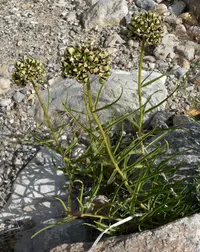
Spider milkweed (Asclepias asperula) is a perennial wildflower in the dogbane family, valued for its unusual green and purple flower clusters. It forms low, sprawling clumps with narrow, often curved leaves and thick, milky sap.

This species is native to dry grasslands and open areas of the southwestern and south-central United States. It is highly attractive to butterflies, especially monarchs, which use it as a larval host plant.

Spider milkweed prefers full sun, well-drained, often sandy or rocky soil, and low to moderate moisture. Once established, its deep taproot makes it drought-tolerant but less suited to frequent transplanting, which affects how to care for spider milkweed in garden conditions.

Main Plant Requirements

Care Difficulty

Moderate Care

Light Preference

Full Sun

Water Requirements

Low Water

Temperature Preference

Cold Hardy

Hardiness Zone

4–9

Soil Texture

Sandy, Loamy, Rocky

Soil pH

Slightly acidic (6.5–7.0), Neutral (7.0)

Soil Drainage

Well-drained

Fertilization

Minimal (feed rarely)

Get Personalized Care Plan

Scan your plant to receive care tips personalized for your specific plant

Available on iOS and Android

How to Care for the spider milkweed

Asclepias asperula thrives in strong, open sun typical of dry prairies and roadsides.

  • Provide 6–10 hours of direct sun daily; full exposure is best for compact growth and abundant flowers.
  • Plant in a spot with morning to midafternoon sun; light afternoon shade is acceptable in very hot, inland areas.
  • In prolonged shade it becomes leggy, may flop, and flowers poorly, while extreme reflected heat from pavement can scorch foliage in drought.

This desert-adapted milkweed prefers dry, fast-draining conditions and is sensitive to excess moisture.

  • Allow the top 5–8 cm of soil to dry completely before watering; deep, infrequent soaking suits its taproot.
  • During active growth and flowering, water mainly after hot, dry spells; reduce watering sharply in late summer and fall dormancy.
  • Yellowing lower leaves, soft stems, or sour-smelling soil indicate overwatering, while wilting that does not recover by evening suggests the plant needs water.

This species is heat-tolerant and cold-hardy, matching the climates of arid and semi-arid regions.

  • Optimal growth occurs around 70–90°F (21–32°C), with strong flowering in warm, sunny summers.
  • Established plants tolerate winter lows near 0°F (−18°C) with crown and root survival, dying back to the ground in cold seasons.
  • In extreme heat above 100°F (38°C), growth may pause; brief, light frosts damage foliage but usually spare the root system.

This species is adapted to dry climates and usually does not need special humidity management.

This plant prefers very well-drained, mineral soils that mimic its native dry habitats.

  • Use a gritty mix such as 50–60% coarse sand or fine gravel with the rest a lean loam-based mix.
  • Keep drainage fast; soil should dry quickly after rain or watering and never stay soggy.
  • Aim for slightly alkaline to neutral pH around 6.8–7.8, which suits Asclepias asperula in many wild sites.
  • Avoid heavy clay, peat-heavy, or compacted mixes that hold water and limit root aeration.

This species can be grown in containers, but only if the deep taproot and need for rapid drainage are respected.

  • Choose a tall, narrow pot at least 30–40 cm deep so the taproot can grow downward without bending sharply.
  • Use a heavy, stable container material or add weight to prevent tipping in strong winds as the plant gains height.
  • Elevate the pot on feet or bricks so drainage holes stay clear and water runs off quickly after irrigation or rain.

This drought-adapted native needs minimal feeding, so use a light approach when fertilizing spider milkweed in containers or poor soils.

  • Apply a diluted balanced liquid fertilizer (around 10-10-10 at 1/4 strength) once in late spring if growth is weak.
  • Use a small amount of compost or a slow-release native-plant formula mixed into very lean potting soil at planting.
  • Avoid midsummer and fall feeding to prevent soft, frost-prone growth.
  • Do not fertilize dormant plants in winter; allow natural rest without added nutrients.

Pruning Asclepias asperula is mostly limited to cleanup and maintaining safe, compact growth.

  • Best time for structural pruning is late winter to very early spring before new shoots emerge.
  • Remove dead, broken, or diseased stems at the base using clean, sharp pruners to reduce infection risk.
  • Cut back spent flower stems after seed pods mature if self-seeding needs control.
  • Light thinning of crowded stems can improve air flow but avoid heavy cutting into older woody crowns.

This species dislikes root disturbance, so transplanting or repotting should be rare and handled gently.

  • Plan any transplanting for late fall or very early spring, when top growth is minimal and soil is cool.
  • Move only when roots circle the container, growth declines, or soil drains poorly, usually every 2–3 years in pots.
  • Use a deep container or planting hole with fast-draining, sandy soil and avoid burying the crown deeper than before.
  • Minimize root stress by keeping the root ball intact, watering thoroughly after planting, and shading lightly for 3–5 days.

Propagation of Asclepias asperula is most reliable from seed, since its taproot resents division.

  • Collect ripe pods when they begin to split and dry them in a paper bag, then separate seeds from floss.
  • Cold stratify seeds for 30–60 days at 35–40°F in moist sand or paper to improve germination.
  • Sow in late winter to early spring in a gritty, well-drained mix, barely covering seeds and keeping them slightly moist.
  • Place trays in bright light at 65–75°F and avoid disturbing seedlings; transplant only when they form a strong taproot.

This milkweed is cold hardy in much of its native range and usually needs little special winter care in the ground.

  • Tolerates light to moderate frost once established, especially in well-drained soils.
  • Allow stems to die back naturally after frost; remove only when fully dry to support insect life cycles.
  • Apply a thin, dry mulch layer in colder zones to buffer freeze–thaw around the crown without smothering it.
  • For container plants in colder climates, move pots to a sheltered, unheated area to prevent root freeze.

Care Tips

Deep taproot protection

Use tall, narrow starter pots or deep cells (at least 10–15 cm) so the taproot can grow straight down without curling, and avoid repotting after the first season to prevent root damage that can stunt the plant.

Minimal disturbance mulching

Apply a very light, gritty mulch layer (such as small gravel or coarse sand) around but not touching the crown to reduce soil splash and weed pressure while preserving the good air flow that this species needs at the root zone.

Seed pre-chilling

For reliable germination, place seeds in a slightly moist paper towel inside a ventilated plastic bag in the refrigerator for 4–6 weeks, then sow them shallowly outdoors soon after the chilling period ends.

Targeted pod management

If you want both flowers and some self-seeding without a takeover, leave only a few seed pods to mature on each plant and remove the rest before they swell fully, which maintains vigor while still supporting monarchs and other wildlife.

Avoiding root competition

Site plants away from thirsty turfgrass or aggressive perennials and, if needed, use an underground root barrier when first establishing a bed so the deep roots can develop without competition, which is key when growing spider milkweed in dry climates.

Common Pests and Diseases

oleander aphids

This pest forms dense yellow clusters on new growth, stems, and flower buds and feeds by sucking sap, causing distortion and reduced vigor. Symptoms include sticky honeydew and possible sooty mold on nearby surfaces.

Solution

Crush small colonies by hand or dislodge them with a strong stream of water, taking care not to damage the brittle stems. For heavier infestations, use insecticidal soap or a neem oil spray directed at the aphids, and avoid high-nitrogen fertilizer that encourages soft, aphid-prone growth when caring for spider milkweed.

milkweed bugs

These insects, often bright orange and black, feed on seeds and developing pods and can reduce seed production. Symptoms include shriveled pods, missing seeds, and clusters of bugs on developing fruit.

Solution

Handpick and drop the bugs into soapy water, especially when pods are forming, and remove heavily infested pods. In small plantings, bag some pods with fine mesh before bugs appear to protect seed while leaving some unbagged pods for wildlife use.

milkweed leaf miners

This pest creates pale, winding tunnels inside leaves as larvae feed between the leaf surfaces. Symptoms include thin, serpentine trails that can cause premature yellowing and leaf drop when numerous.

Solution

Remove and dispose of mined leaves as soon as trails are noticed to interrupt the life cycle. Encourage natural predators by avoiding broad-spectrum insecticides and keep plants unstressed with proper sun and drainage so they tolerate minor damage.

powdery mildew

This disease appears as white or gray powdery patches on leaves, usually during warm days with cool, humid nights. Symptoms include distorted new growth and premature leaf yellowing or drop if coverage is heavy.

Solution

Increase airflow by spacing plants properly and trimming dense surrounding vegetation, and water at soil level rather than wetting foliage. Remove and discard heavily infected leaves, and in persistent cases apply a labeled sulfur or potassium bicarbonate product during early symptom development.

leaf spot

This disease causes small brown, tan, or black spots on foliage that may enlarge and merge, sometimes with a yellow halo. Symptoms include premature leaf drop on lower or crowded stems, especially in periods of extended humidity or overhead irrigation.

Solution

Remove and discard affected leaves, and keep the plant in an open, sunny, well-drained site to dry foliage quickly. Avoid overhead watering, clean up fallen debris around the plant, and if recurrent, use a copper-based fungicide early in the season according to label directions.

Interesting Facts

Specialized pollination strategy

The intricate star-shaped flowers are structured so that only insects with the right leg size and strength, such as certain large bees and wasps, can remove and transfer the pollinia, which are the paired pollen sacs. This specialization reduces wasted pollen and helps maintain reproductive success in dry habitats.

Adaptation to desert soils

This species thrives in sandy or rocky, low-organic soils of arid and semi-arid regions in the southwestern United States and northern Mexico. Its deep taproot allows it to access moisture far below the surface, making it highly drought-tolerant once established.

Powerful latex defense

The plant exudes a milky latex sap rich in toxic cardenolides, a type of cardiac glycoside that can disrupt heart function in many vertebrates. Herbivores usually avoid it, but some specialized insects have evolved ways to feed on it without being harmed.

Botan icon

Did you know?

Monarch butterfly caterpillars that feed on spider milkweed can accumulate its cardenolides in their tissues, which makes the caterpillars and resulting adult butterflies distasteful to many predators and contributes to their warning coloration being an effective defense.

FAQs about spider milkweed

Lack of flowers often comes from plants being too young, overcrowded, shaded, or stressed by poor drainage. Avoid excess fertilizer, especially high nitrogen, and allow a dry, sunny position so the deep taproot can establish fully.

Grow Healthy Plants with Botan Care

Keep your plants happy and healthy with plant identification, disease detection, and easy care guidance.

Botan plant care app — identify plants on mobile

Explore More Plants