Alchemilla murbeckiana Care

Alchemilla murbeckiana

About Alchemilla murbeckiana

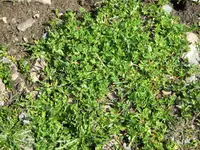
Alchemilla murbeckiana is a compact, clumping perennial in the rose family, related to the more familiar lady’s mantle. It forms low mounds of rounded, softly textured leaves that often hold droplets of water after rain, giving the plant a neat, fresh look.

This species occurs naturally in cooler, often mountainous regions, where it grows in meadows and open woodland edges. It is generally considered undemanding, as long as it has reasonably moist, well-drained soil and partial sun to light shade. Gardeners who learn how to care for Alchemilla murbeckiana usually find it a reliable groundcover or edging plant in temperate climates.

Main Plant Requirements

Care Difficulty

Easy Care

Light Preference

Partial Shade

Water Requirements

Moderate Water

Temperature Preference

Cold Hardy

Hardiness Zone

4–8

Soil Texture

Loamy, Silty, Organic-rich

Soil pH

Acidic (5.5–6.5), Slightly acidic (6.5–7.0)

Soil Drainage

Moist but well-drained

Fertilization

Minimal (feed rarely)

Get Personalized Care Plan

Scan your plant to receive care tips personalized for your specific plant

Available on iOS and Android

How to Care for the Alchemilla murbeckiana

This hardy perennial prefers cool, bright conditions with protection from intense midday sun.

  • Provide 3–5 hours of direct morning sun with light or dappled shade from late morning onward, especially in warmer regions.
  • Alchemilla murbeckiana tolerates partial shade very well and can grow in bright, open shade, but foliage becomes looser and flowering may be reduced with less than 3 hours of sun.
  • In hot summers, monitor for leaf scorch or crisped edges; add shade cloth or plant near taller perennials to filter strong afternoon sun.

This plant prefers consistently moist, cool soil without becoming waterlogged.

  • Water when the top 2–3 cm of soil feel slightly dry, aiming for evenly moist soil during active growth in spring and early summer.
  • Use fertile, well-drained soil that holds moisture; standing water, a sour smell, or yellowing, limp leaves indicate overwatering and poor drainage.
  • In cooler months or during prolonged rain, reduce watering and allow the surface to dry more between waterings to prevent root problems, while watching for wilting or crispy edges as signs of underwatering.

This species is adapted to cool, temperate climates and tolerates substantial cold.

  • Optimal growth occurs around 55–70°F (13–21°C), with the plant performing best in cool to mild summers and protected from reflected heat near hard surfaces.
  • Mature clumps tolerate winter lows near 0°F (-18°C) when planted in the ground, especially with mulch over the root zone for insulation.
  • During hot spells above 80–85°F (27–29°C), growth can slow and leaves may scorch, so combine shade, mulch, and steady soil moisture to keep roots cooler.

This species grows well in typical outdoor humidity and rarely needs special humidity management.

  • Performs reliably in 40–70% humidity, similar to most temperate garden conditions.
  • Tolerates short dry air spells if soil moisture is maintained and roots do not dry out completely.
  • Humidity stress shows as marginal leaf browning and slower growth, usually linked to simultaneous soil dryness.

Alchemilla murbeckiana prefers cool, moist, well-drained, humus-rich soil.

  • Use a loamy mix with 40–60% garden soil, 20–30% compost, and 10–20% sharp sand or grit for structure and drainage.
  • Keep drainage moderate to fast so water does not pool; the soil should feel moist but never waterlogged after rain or irrigation.
  • Aim for slightly acidic to neutral pH around 6.0–7.0; avoid very alkaline or saline conditions that reduce nutrient uptake.
  • Improve aeration by working in leaf mold or fine bark before planting and avoid heavy, compacted clay that stays sticky after rain.

This species is suitable for container growing if the pot supports its shallow, spreading root system and moisture needs.

  • Choose a wide, shallow container so the spreading roots and foliage can form a stable, low mound without crowding.
  • Use a heavier material like ceramic or clay outdoors to prevent tipping when foliage catches wind or rainwater accumulates.
  • Raise the pot slightly on feet or bricks to keep drainage holes clear and prevent the base from sitting in standing water.

This perennial grows well in modest soils and benefits from light feeding rather than heavy fertilization.

  • Apply a balanced, slow-release fertilizer (around 10-10-10) at half strength once in early spring as new growth starts.
  • In richer beds, use a thin layer of garden compost instead of synthetic fertilizer to support steady growth.
  • Avoid feeding in late fall or winter when growth is dormant, especially in colder climates.
  • Water after applying fertilizer to distribute nutrients evenly and reduce the risk of root burn.

Light, timely pruning keeps Alchemilla murbeckiana dense, leafy, and tidy.

  • Cut back spent flower stems in mid to late summer to reduce self-seeding and keep the mound compact.
  • Remove dead, damaged, or yellowing leaves whenever seen to limit disease spread and improve air flow.
  • Shear or trim the whole clump low after flowering if foliage looks tired, then water well to encourage fresh growth.
  • Use clean, sharp hand pruners or scissors and disinfect blades when plants are wet or previously diseased.

This species is usually grown in the ground and only needs occasional transplanting or division.

  • Plan transplanting or division in early spring or early fall when temperatures are mild and soil is workable.
  • Look for congested clumps, bare centers, or slow growth as signs that Alchemilla murbeckiana benefits from lifting and resetting.
  • Lift the clump carefully, tease or cut it into sections with healthy roots, then replant at the same depth in fresh soil.
  • Water thoroughly after transplanting, provide light shade for a few days, and keep soil evenly moist to limit root stress.

Propagation is straightforward and commonly done by division and seed.

  • Divide mature clumps in early spring or early fall, ensuring each piece has several shoots and a good root portion.
  • Replant divisions promptly into moist, well-drained soil, spacing them to allow airflow and future spread.
  • Sow ripe seeds on the soil surface or lightly covered in fall; natural winter chilling often improves germination.
  • Keep seedling trays or newly divided plants evenly moist and shaded from harsh sun until growth is established.

This hardy perennial usually needs minimal winter attention in most temperate gardens.

  • In cold regions, apply a 5–7 cm mulch of leaves or compost around the crown after the ground cools to insulate roots.
  • Allow top growth to die back naturally; cut off mushy or diseased foliage to lower fungal risk.
  • In containers, move pots to a sheltered, unheated but frost-sheltered spot and keep soil slightly moist, not waterlogged.

Care Tips

Early spring division

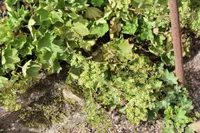
Divide crowded clumps every 3–4 years in early spring, replanting vigorous outer sections at the same depth to maintain dense, floriferous plants and reduce disease buildup in the center.

Flowering flush management

After the main flush of blooms fades, shear back the spent flower stalks and upper foliage by 5–8 cm to encourage a neater mound and stimulate fresh leaf growth for the rest of the season.

Self-seeding control

If you want to limit self-seeding, remove spent flower heads before seed set and use a light mulch after cutting back to reduce germination in surrounding beds.

Edge and path protection

In high-traffic areas, place a low, discreet edging or stones just in front of the clump to prevent foot traffic from compacting soil and crushing the outer stems, which preserves the plant’s rounded form.

Moisture-retentive mulching

Apply a 3–5 cm layer of fine composted bark or leaf mold around, but not touching, the crowns to stabilize soil moisture, keep splashing soil off the foliage, and support healthier roots when caring for Alchemilla murbeckiana.

Common Pests and Diseases

Powdery mildew

This disease often appears in warm, dry conditions with crowded foliage. Symptoms include white, powdery patches on the upper leaf surface, sometimes leading to distorted or stunted growth.

Solution

Remove and discard heavily infected leaves, then thin or divide clumps to improve air circulation and reduce leaf wetness duration. Water at soil level in the morning, avoid overhead irrigation, and if needed apply a sulfur or potassium bicarbonate fungicide labeled for ornamental perennials according to the instructions.

Leaf spot

This disease is usually caused by fungi that thrive in prolonged leaf wetness. Symptoms include small brown or purplish spots on leaves that may coalesce, making the foliage look tattered or scorched.

Solution

Cut off and dispose of affected leaves to reduce inoculum, and keep the plant from sitting in dense, wet foliage by spacing clumps and removing debris. Water at the base, avoid evening overhead watering, and in persistent cases use a copper-based or chlorothalonil fungicide labeled for leaf spot on ornamentals.

Aphids

These insects cluster on young stems and the undersides of leaves, feeding on sap. This pest can cause curling or yellowing foliage and may leave sticky honeydew that promotes sooty mold on the leaves below.

Solution

Dislodge colonies with a firm stream of water, then monitor new growth regularly as part of Alchemilla murbeckiana care. For ongoing infestations, use insecticidal soap or a ready-to-use horticultural oil spray, making sure to coat leaf undersides and repeating as directed on the label.

Slugs and snails

These pests are attracted to the cool, moist shade that this plant prefers. Symptoms include irregular holes in leaves and shredded edges, often with slime trails on or near the plant.

Solution

Hand-pick slugs and snails in the evening, and reduce hiding spots such as dense mulch and debris around the clumps. Use iron phosphate slug bait around, but not on, the crowns following label directions, and consider simple barriers like copper tape where damage is persistent.

Interesting Facts

Scandinavian mountain specialist

This species is native to high-elevation areas of Norway and Sweden, where it grows on cool, moist, often calcareous slopes and rock ledges, making it more cold-adapted than many other lady’s mantle species.

Distinctive leaf teeth

Compared with closely related Alchemilla species, it has more sharply toothed, fan-shaped leaf lobes, a feature that botanists use to separate it from visually similar taxa in the field.

Taxonomic clarification history

For a long time it was confused with other northern European Alchemilla taxa and treated as a variety or form, but detailed morphological studies led to its recognition as a distinct species in modern floras of Fennoscandia.

FAQs about Alchemilla murbeckiana

This species spreads slowly by short rhizomes and self-seeding. It usually forms tidy clumps rather than taking over beds. Removing spent flower heads before seed sets keeps it contained in small or mixed plantings.

Grow Healthy Plants with Botan Care

Keep your plants happy and healthy with plant identification, disease detection, and easy care guidance.

Botan plant care app — identify plants on mobile

Explore More Plants