Alchornea cordifolia Care

Alchornea cordifolia

About Alchornea cordifolia

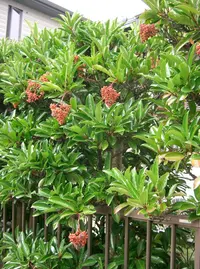
Alchornea cordifolia is an evergreen shrub or small tree, often with many stems, native to humid tropical regions of West and Central Africa. It usually has broad, heart-shaped leaves and a dense, bushy habit that can form thickets in the wild.

In its native range, it grows in forest edges, riverbanks, and disturbed sites, showing good tolerance to heat and high rainfall. The plant responds best to bright light, consistent moisture, and well-drained, fertile soil, which helps explain how to care for Alchornea cordifolia in cultivation.

Its vigorous growth and adaptability can make it relatively easy to grow in suitable warm climates, but it is not well suited to cold or frost-prone areas.

Main Plant Requirements

Care Difficulty

Moderate Care

Light Preference

Partial Shade

Water Requirements

Keep Soil Moist

Temperature Preference

Tropical / Frost Sensitive

Hardiness Zone

10–12

Soil Texture

Loamy, Silty, Organic-rich

Soil pH

Acidic (5.5–6.5), Slightly acidic (6.5–7.0)

Soil Drainage

Moist but well-drained

Fertilization

Minimal (feed rarely)

Get Personalized Care Plan

Scan your plant to receive care tips personalized for your specific plant

Available on iOS and Android

How to Care for the Alchornea cordifolia

This shrub prefers bright, warm conditions that mimic open woodland edges in the tropics.

  • Provide 4–6 hours of sun daily, ideally gentle morning sun with light afternoon shade to prevent leaf scorch in hot climates.
  • Tolerates partial shade, but in deep shade growth becomes thin, leaves smaller, and flowering or fruiting reduced for Alchornea cordifolia.
  • In hot summers, use filtered light under taller trees or shade cloth; in cooler seasons, allow more direct sun to support dense, healthy foliage.

This species prefers evenly moist, well-drained soil rather than standing water or long dry spells.

  • Water when the top 3–5 cm of soil feels dry, aiming for moist but not saturated soil to support steady root growth.
  • In rainy seasons, rely mainly on natural rainfall and focus on drainage; in dry seasons, increase watering frequency but avoid puddling or anaerobic, sour-smelling soil.
  • Signs of overwatering include yellowing, soft leaves and blackened roots, while curling, dull leaves and dry soil clods indicate the plant needs more water.

This plant thrives in consistently warm, frost-free conditions typical of humid lowland tropics.

  • Optimal growth occurs at 70–86°F (21–30°C), where shoot and root development stay active and foliage remains dense.
  • Growth slows below 60°F (16°C); avoid exposing plants to temperatures under 50°F (10°C), which can trigger leaf drop and root stress.
  • Alchornea cordifolia does not tolerate frost; protect from 32°F (0°C) and below, and in heat over 95°F (35°C) provide shade and reliable soil moisture to limit stress.

This species prefers moderately humid air but adapts to many home environments.

  • Aim for 50–70% humidity to mimic its native conditions and support steady leaf growth.
  • It tolerates short dry spells, but very dry air causes leaf-edge browning and tip scorch.
  • Increase humidity with a nearby humidifier, grouped plants, or a pebble tray, rather than misting leaves directly.

Provide moist, well-structured soil that balances drainage and water retention for Alchornea cordifolia.

  • Use a loose loam rich in organic matter, such as 50% compost, 30% coarse sand, and 20% fine bark or coco coir.
  • Ensure drainage is fast enough that water does not pool on the surface longer than a few minutes after watering.
  • Aim for slightly acidic to neutral pH (6.0–7.0), avoiding strongly alkaline substrates that can limit nutrient uptake.
  • Improve aeration by incorporating coarse sand or perlite and avoid heavy clay or compacted mixes that stay waterlogged.

This shrub can be grown in containers if given enough root space and stable drainage conditions.

  • Choose a deep, heavy container to support woody, top-heavy growth and reduce the risk of tipping in wind.
  • Select a pot material with moderate porosity, such as thick-walled terracotta, to reduce waterlogging while avoiding rapid drying.
  • Elevate the container on pot feet or bricks so drainage holes stay clear and excess water exits quickly after heavy watering or rain.

In cultivation, Alchornea cordifolia responds well to modest, balanced nutrition during active growth.

  • Use a balanced, slow-release fertilizer (for example 10-10-10) or well-rotted compost mixed into the topsoil at the start of spring.
  • Feed light feeders once every 6–8 weeks through the warm growing season, avoiding heavy applications that can cause weak, lush growth.
  • Apply liquid balanced NPK at half-strength on moist soil if a quick boost is needed, never on dry roots.
  • Stop feeding in late fall and winter to allow natural slowing of growth and to prevent soft, frost-sensitive tissues.

Pruning Alchornea cordifolia helps manage size, encourage bushier growth, and maintain plant health.

  • Carry out main pruning at the end of the dry or cool season, just before strong new growth begins.
  • Remove dead, diseased, or storm-damaged wood first, cutting back to healthy tissue with clean, sharp bypass pruners.
  • Thin crowded or crossing branches to improve light penetration and air flow, which supports sturdier, more balanced structure.
  • Shorten overly long shoots to control height and spread, shaping the shrub or small tree without removing more than 25–30% of foliage at once.

This species is usually grown in the ground, so Alchornea cordifolia care focuses more on transplanting than on frequent repotting.

  • Plan transplanting for the early rainy season or mild spring, when soil moisture and temperatures support rapid root recovery.
  • Move young plants every 1–3 years if needed, watching for slow growth, root circling in containers, or plants becoming unstable in the soil.
  • Prepare a slightly larger planting hole with well-drained, organic-rich soil and position the plant at the same depth as before to avoid stem rot.
  • Water thoroughly after transplanting, then keep soil evenly moist and shade lightly for 1–2 weeks to reduce transplant shock and help roots re-establish.

Alchornea cordifolia is commonly propagated from semi-hardwood cuttings and seeds in warm conditions.

  • Take semi-hardwood stem cuttings in late spring to summer, 10–15 cm long, with several nodes and at least 2 leaves retained.
  • Dip cut ends in rooting hormone and place in a sterile, well-drained medium such as 1:1 perlite and peat or coco coir, kept at 70–80°F.
  • Maintain high humidity with a clear cover and bright, indirect light, ventilating daily to limit fungal problems until roots form.
  • Sow fresh seeds in warm, consistently moist seed mix, barely covered, as germination improves with stable warmth and even moisture.

This tropical shrub is frost-sensitive and needs protection in regions with cool or cold winters.

  • In frost-free climates, routine winter care is minimal aside from maintaining modest soil moisture and monitoring for pests.
  • Where light frost occurs, mulch the root zone 5–8 cm deep with organic material to buffer short cold spells.
  • Move container-grown plants indoors or into a heated greenhouse before temperatures fall below 50°F, giving bright, indirect light.
  • Reduce watering in cool conditions so the soil stays slightly moist but never saturated, which lowers the risk of root rot in slow winter growth.

Care Tips

Regular coppicing

Cut back older stems to 15–30 cm above ground every 1–2 years to encourage dense, healthy regrowth and maintain a manageable shrub size for easier harvesting and pest inspection.

Sucker management

Remove unwanted basal shoots and root suckers with clean, sharp tools during the growing season to prevent the plant from becoming invasive and to keep energy focused on the main framework.

Wind protection

In open sites, install a simple windbreak or plant on the leeward side of a fence so stems are less likely to snap, especially when leaves are wet and heavy after rain.

Targeted mulching

Apply a 5–8 cm ring of organic mulch, keeping it 3–5 cm away from the stems, to stabilize soil moisture and temperature while reducing weed competition around the root zone when growing Alchornea cordifolia.

Pest scouting routine

Inspect young shoots and the undersides of leaves every 1–2 weeks for scale insects, mealybugs, and chewing damage, and remove early infestations by pruning affected tips or wiping with a damp cloth before resorting to treatments.

Common Pests and Diseases

Scale insects

These insects attach to stems and leaf undersides, sucking sap and causing yellowing, stunting, and sooty mold from their honeydew. Infestations are reported on cultivated shrubs, especially in warm, humid areas.

Solution

Remove heavily infested twigs and gently scrub remaining colonies with a soft brush dipped in mild soapy water, then rinse well. For persistent problems, use a light horticultural oil or neem oil directed at stems and leaf undersides, repeating every 7–14 days until new growth appears clean, and avoid overfertilizing, which encourages soft, scale‑prone tissue.

Leaf spot

This disease produces small brown to dark lesions on the leaves that may merge, leading to premature defoliation in wet seasons. Symptoms include more intense damage on older, shaded foliage where moisture lingers longest.

Solution

Prune off and dispose of spotted leaves and thin dense growth to improve airflow and speed drying after rain or watering. Avoid overhead irrigation, water at soil level, and if the plant repeatedly suffers in a humid climate, apply a copper‑based or other labeled fungicide at the first appearance of new spots, following local guidelines for Alchornea cordifolia care instructions.

Stem canker

This disease causes sunken, darkened areas on stems and branches, sometimes girdling shoots and causing wilting or dieback above the lesion. Symptoms include cracking bark and poor regrowth from affected sections.

Solution

Cut out affected stems at least 5–10 cm below visible damage with sterilized tools and discard the material away from planting areas. Maintain moderate, not excessive, soil moisture, avoid trunk injuries, and if cankers recur, consider relocating the plant to a site with better drainage and air movement to reduce pathogen pressure.

Mealybugs

These insects appear as white, cottony clusters on young shoots and leaf nodes, where they suck sap and excrete sticky honeydew that can attract ants. Damaged plants may show curled leaves, slow growth, and sooty mold on the leaf surface.

Solution

Dab visible clusters with cotton swabs dipped in isopropyl alcohol, then rinse foliage to remove residues and honeydew. For larger shrubs, apply neem oil or insecticidal soap thoroughly to stems and leaf undersides every 7–10 days until new growth is clean, and reduce excess nitrogen fertilization that promotes soft, mealybug‑susceptible growth.

Interesting Facts

Nitrogen-fixing partnership

This species forms symbioses with root-associated microbes that help it capture atmospheric nitrogen, allowing it to grow on nutrient-poor, lateritic and degraded soils in tropical Africa.

Pioneer of disturbed land

Alchornea cordifolia is a classic pioneer shrub that quickly colonizes forest edges, cleared fields, and road margins, stabilizing soil and providing shade that facilitates later forest regeneration.

Food for local wildlife

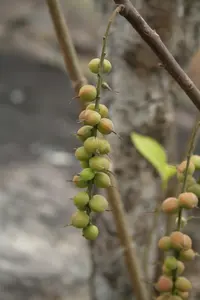
Its fleshy, red to dark fruits are eaten by birds and small mammals, which in turn disperse its seeds across the landscape.

Botan icon

Did you know?

This species is one of the dominant shrubs in many traditional fallow systems in West and Central Africa, where its rapid regrowth after cutting and dense canopy are used deliberately to suppress weeds and restore soil fertility between crop cycles.

FAQs about Alchornea cordifolia

This species is evergreen in frost-free, tropical to warm subtropical climates, holding foliage year-round. In cooler areas or brief cold snaps, it may partially defoliate, then refoliate from surviving wood once temperatures improve.

Grow Healthy Plants with Botan Care

Keep your plants happy and healthy with plant identification, disease detection, and easy care guidance.

Botan plant care app — identify plants on mobile

Explore More Plants