sweet viburnum Care (Viburnum odoratissimum)

sweet viburnum

About sweet viburnum

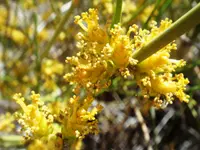
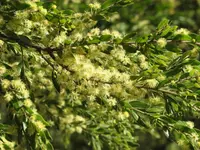
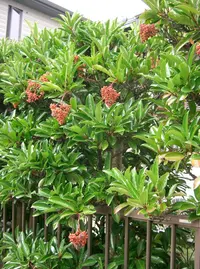
Sweet viburnum (Viburnum odoratissimum) is an evergreen shrub or small tree often used for dense hedges, privacy screens, and windbreaks in mild climates. It forms a rounded, bushy shape with glossy green leaves and clusters of small, fragrant white flowers, followed by red to black berries in suitable conditions.

This species is native to parts of Asia, including China and India, and adapts well to many landscape settings. It is generally considered easy to grow, as it tolerates regular pruning, a range of soils with good drainage, and moderate moisture.

Gardeners who want to know how to care for sweet viburnum should note its preference for at least bright light outdoors and protection from severe frost.

Main Plant Requirements

Care Difficulty

Easy Care

Light Preference

Full Sun

Water Requirements

Moderate Water

Temperature Preference

Warm Climate

Hardiness Zone

8–11

Soil Texture

Sandy, Loamy, Clay

Soil pH

Acidic (5.5–6.5), Slightly acidic (6.5–7.0)

Soil Drainage

Moist but well-drained

Fertilization

Minimal (feed rarely)

Get Personalized Care Plan

Scan your plant to receive care tips personalized for your specific plant

Available on iOS and Android

How to Care for the sweet viburnum

This shrub prefers bright outdoor conditions that support dense foliage and flowering.

  • Provide 4–6 hours of direct morning sun with light afternoon shade, especially in hotter regions, to reduce leaf scorch and stress.
  • Plant sweet viburnum where it receives at least bright partial sun; in locations with only 2–3 hours of direct light, expect looser growth and fewer flowers.
  • In hot summers, protect from intense west-facing afternoon sun using buildings, taller shrubs, or filtered tree cover to prevent leaf burn.

This species prefers steadily moist but not waterlogged soil once established in the landscape.

  • Water deeply when the top 3–5 cm of soil feels dry, aiming for a slow soak that reaches the full root zone rather than frequent shallow sprinkling.
  • During the first 1–2 growing seasons, increase watering during hot, dry spells and reduce it in cool or rainy periods to avoid saturated soil around Viburnum odoratissimum roots.
  • Watch for yellowing, soft leaves and persistent wet soil as signs of overwatering, and for dull, curling, or browning leaf edges as indicators of underwatering.

This shrub grows best in mild to warm climates with minimal frost stress.

  • Aim for average growing-season temperatures around 65–85°F (18–29°C), which support steady shoot growth and healthy foliage density.
  • Mature plants can tolerate brief drops to about 20–25°F (-6 to -4°C), but young growth and new plantings are more vulnerable to frost damage and may need protection.
  • In hot regions, temperatures above 95°F (35°C) increase heat stress, so combine mulch, consistent soil moisture, and afternoon shade to limit leaf scorch and decline.

Humidity is usually not a limiting factor for Viburnum odoratissimum in outdoor settings.

Viburnum odoratissimum grows best in moderately fertile, well-structured ground that drains freely yet retains some moisture.

  • Use a loamy mix with 30–40% compost blended into existing soil to improve structure and water retention.
  • Ensure drainage by incorporating coarse sand or fine gravel into heavy clay until water drains within 1–2 hours after watering.
  • Aim for slightly acidic to neutral pH around 6.0–7.0; add garden lime only if soil tests strongly acidic.
  • Avoid compacted, waterlogged, or very shallow soils; loosen the top 25–30 cm to enhance aeration around the root zone.

This species can adapt to large containers outdoors when given enough root volume and stable support.

  • Choose a deep, heavy container (at least 45–60 cm wide) to balance the tall, dense canopy and prevent tipping in wind.
  • Select thicker-walled clay or concrete pots in hot climates, as they buffer root temperatures and slow moisture loss compared with thin plastic.
  • Raise the pot on feet so all drainage holes stay clear, allowing excess water to escape quickly and reducing the risk of root rot.

This shrub responds well to moderate feeding in nutrient-poor soils, but established plants in rich ground often need little extra fertilizer.

  • Apply a balanced slow-release fertilizer (for example 10-10-10) once in early spring as new growth starts.
  • Use compost or well-rotted manure as a 2–5 cm surface mulch to boost soil organic matter and microbial life.
  • During the growing season, avoid additional high-nitrogen products that push weak, lush growth on sweet viburnum.
  • Stop feeding in late summer and never exceed the label rate; dilute liquid feeds to 1/2 strength if used.

Pruning Viburnum odoratissimum maintains size, encourages dense hedging, and removes unhealthy wood.

  • Time major shaping for late winter or right after flowering so buds for the next season are preserved.
  • Cut out dead, diseased, or crossing branches at their base with clean, sharp bypass pruners or loppers.
  • Thin crowded interior stems to improve light penetration and airflow, which lowers fungal disease risk.
  • Shorten overly long shoots to a lateral branch to create a compact, balanced outline without harsh boxy cuts.

This species is usually grown in the ground, so guidance focuses on transplanting young shrubs to permanent sites.

  • Transplant in early spring or early fall so roots establish before heat or hard frost; avoid midsummer moves.
  • Look for circling roots in nursery containers or slow, stunted growth as signs a shrub needs planting out.
  • Dig a hole 2–3× wider than the root ball, plant at the same depth, and backfill with native soil, not rich potting mix.
  • Water deeply after planting, then keep soil evenly moist for 4–6 weeks to limit transplant shock and support new root growth.

Propagation of Viburnum odoratissimum is commonly done from cuttings to maintain desired hedge traits.

  • Take semi-ripe cuttings in late spring to mid-summer, using 8–12 cm non-flowering shoots with several leaf nodes.
  • Remove lower leaves, dip the base in rooting hormone, and insert into a well-drained medium such as 1:1 perlite and peat or coco coir.
  • Maintain high humidity and bright, indirect light at 65–75°F; bottom heat around 70°F speeds root formation.
  • For layering, pin a flexible low branch to the soil, lightly wound the underside, cover with soil, and sever once roots develop.

In mild and warm-temperate climates this shrub is broadly cold hardy and usually needs only minimal winter attention.

  • Established plants tolerate light frosts but can suffer leaf damage in extended freezes below about 15–20°F.
  • Apply a 5–8 cm mulch layer over the root zone in late fall, keeping it a few cm away from the main stems.
  • In colder regions, wrap young shrubs with breathable frost cloth during severe cold snaps to reduce foliage injury.
  • Container-grown plants in marginal zones should be moved into a sheltered, unheated but frost-free garage or porch for winter.

Care Tips

Hedge Density Training

Pinch or lightly tip-prune new shoots several times in the first 2–3 years to encourage dense side-branching and a fuller privacy hedge rather than tall, sparse growth.

Windward Side Protection

On exposed sites, plant a first row slightly closer together on the windward side and allow a slightly taller windbreak there to reduce leaf scorch and branch damage behind it.

Staggered Rejuvenation Pruning

Every 3–4 years, cut back 1/3 of the oldest stems to 15–30 cm above the ground to renew growth while keeping most of the hedge intact and functional.

Mulch Collar Management

Keep a shallow mulch layer that stops a few cm away from the main stems to conserve moisture while reducing trunk rot, rodent damage, and unwanted adventitious roots at the base.

Integrated Scale Monitoring

Inspect stems and leaf undersides at least twice a year for scale insects and sooty mold, and if found early, remove affected shoots and treat with horticultural oil rather than waiting for severe infestations that are harder to manage when caring for sweet viburnum.

Common Pests and Diseases

Viburnum leaf beetle

This pest is a specialist leaf-feeding beetle whose larvae and adults skeletonize leaves, often defoliating plants from the bottom up. Symptoms include lacy, chewed leaves that turn brown and drop prematurely.

Solution

Prune and destroy twig tips with egg-laying scars during winter to reduce next season’s larvae, and remove heavily infested shoots early in spring. If needed, use a targeted foliar spray containing spinosad or pyrethrins on young larvae, and encourage natural predators such as lady beetles by avoiding broad-spectrum insecticides.

Armillaria root rot

This disease is a soil-borne fungal infection that causes gradual decline, yellowing foliage, branch dieback, and, in advanced cases, sudden plant collapse. Symptoms include white fan-like fungal growth under the bark near the crown and honey-colored mushrooms at the base in cool, wet seasons.

Solution

Remove and discard severely affected plants including as much root material as possible, and avoid replanting another viburnum in the same spot for several years. Improve site drainage, avoid overwatering, and maintain plant vigor through proper watering and mulching to help nearby plants resist infection, which is central to Viburnum odoratissimum care instructions.

Bacterial leaf spot

This disease causes small, water-soaked spots on leaves that enlarge, turn dark brown to black, and may be surrounded by yellow halos. Symptoms include distorted foliage, premature leaf drop, and a generally thin canopy on affected shrubs.

Solution

Prune out and discard infected leaves and shoots, disinfecting pruning tools between cuts with 70% alcohol or a 10% bleach solution. Reduce overhead watering, water at the soil level early in the day, and increase spacing and airflow; in persistent cases, apply a copper-based bactericide according to label directions during periods of warm, wet weather.

Powdery mildew

This disease produces a white to gray powdery coating on the upper leaf surfaces, often starting on shaded or crowded branches. Symptoms include distorted new growth, reduced vigor, and in severe cases early leaf drop.

Solution

Thin interior branches to increase light and airflow, and remove the most affected leaves or shoots to lower spore levels. If needed, apply a labeled fungicide such as a horticultural oil, sulfur, or a systemic triazole product during periods of warm, dry days and cool nights when mildew pressure is highest.

Scale insects

These insects attach to stems and leaf undersides as small, dome-shaped or flat bumps, feeding on sap and causing yellowing leaves, stunted growth, and sticky honeydew that can lead to sooty mold. This pest often concentrates along older woody stems and sheltered leaf veins.

Solution

Prune out heavily infested stems and gently scrub remaining colonies off with a soft brush and soapy water. For active crawlers, apply horticultural oil during the appropriate crawler stage, ensuring thorough coverage, and repeat as needed while monitoring plant vigor and new growth for reinfestation.

Interesting Facts

Persistent glossy foliage

This species is evergreen in mild climates, keeping its thick, glossy leaves year-round, which allows it to function as a permanent visual and noise screen in urban plantings.

Fragrant spring blooms

It produces dense clusters of small, creamy-white flowers with a noticeable sweet fragrance in spring, which are rich in nectar and attract bees and other pollinating insects.

Bird-attracting berry display

After flowering, the plant forms oval drupes that turn from green to red and finally black as they ripen, providing both ornament and a food source for fruit-eating birds.

Botan icon

Did you know?

Genetic and morphological studies place this species within a broadly distributed East Asian and Australasian viburnum lineage, and it has been widely adopted in warm-temperate cities as a tolerant hedge shrub capable of withstanding pruning, air pollution, and reflected heat from pavements and buildings.

FAQs about sweet viburnum

This shrub is generally fast-growing, often adding 30–90 cm of height per year under good conditions. Growth slows in poor soil, drought, or heavy shade, and after it begins to reach a near-mature size.

Grow Healthy Plants with Botan Care

Keep your plants happy and healthy with plant identification, disease detection, and easy care guidance.

Botan plant care app — identify plants on mobile

Explore More Plants