Formative structural pruning
In the first 2–3 years, selectively remove inward-growing and crossing branches in late winter to build an open, well-spaced framework that handles wind and reduces long-term limb breakage risk.

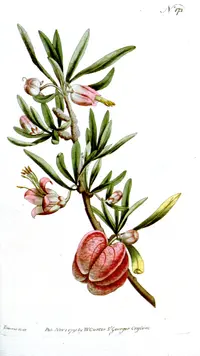
Chinese lantern, Nymania capensis, is a woody shrub or small tree valued for its distinctive inflated, papery pods that resemble lanterns. It tends to have a loose, branching form with small leaves and showy fruiting capsules that add strong seasonal interest in gardens and dried arrangements.
This species occurs naturally in dry, rocky habitats of South Africa and neighboring regions, so it is adapted to sun, lean soils, and periods of drought. These traits make it relatively undemanding if drainage is good and watering is not excessive. Understanding how to care for Chinese Lantern starts with giving it bright light, moderate moisture, and a well-drained, slightly gritty soil mix.

Care Difficulty
Moderate Care

Light Preference
Full Sun

Water Requirements
Moderate Water

Temperature Preference
Warm Climate

Hardiness Zone
9–11

Soil Texture
Sandy, Loamy, Rocky

Soil pH
Slightly acidic (6.5–7.0), Neutral (7.0)

Soil Drainage
Well-drained

Fertilization
Minimal (feed rarely)
Scan your plant to receive care tips personalized for your specific plant
Available on iOS and Android
This shrub prefers bright, open positions with strong light but some protection from extreme afternoon sun.
This species prefers deep, infrequent watering once established, with soil allowed to dry slightly between waterings.
This sun-loving shrub thrives in warm, dry climates and does not tolerate hard frost.
This drought-tolerant shrub handles typical indoor humidity but benefits from slightly drier air than many tropical plants.
Nymania capensis prefers lean, well-drained, sandy soil that avoids long periods of moisture around the roots.
This species can be grown in containers if the pot is set up to mimic its naturally dry, free-draining conditions.
Nymania capensis benefits from light, infrequent feeding in cultivation, especially in poor soils or containers.
Pruning Nymania capensis is mainly used to maintain an open shape and remove weak growth.
This species is more often grown in the ground, but young container plants or nursery stock may need careful transplanting.
Nymania capensis is usually propagated from seed, with some growers also experimenting with semi-hardwood cuttings.
In mild, frost-free climates this species usually needs little specific winter care once established outdoors.

Plant Health Check
Not sure what's wrong with your plant? Check your plant's health inside the app.
The plant develops inflated, papery, three-winged capsules that turn from green to straw-colored as they mature and contain a few hard, dark seeds, giving the plant its Chinese lantern appearance.
This species is naturally found in arid and semi-arid regions of South Africa and Namibia, where it grows as a sparsely branched shrub adapted to rocky and dry habitats with low, irregular rainfall.
The papery, three-angled capsules are light and can be moved by wind, helping the seeds disperse across open, sparsely vegetated landscapes.

The hard, attractive seeds of Nymania capensis are sometimes used locally in traditional games and beadwork, where their durability and uniform size make them useful as counters or decorative elements.
Poor flowering often comes from insufficient light, heavy pruning at the wrong time, or nutrient imbalance, especially excess nitrogen. Mild stress from slightly lean soil and strong sun can improve bud set and flowering performance.
Keep your plants happy and healthy with plant identification, disease detection, and easy care guidance.