


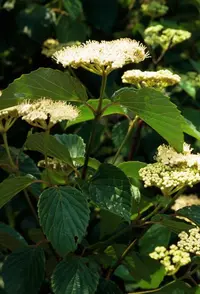
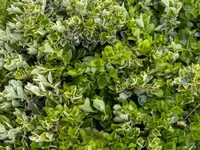

Chinese Lantern (Nymania capensis) Light Needs

Chinese Lantern grows best in full sun, with several hours of direct exposure in a bright outdoor position.

Light Preference

Full Sun

Nymania capensis Light Requirements

Nymania capensis is native to dry, open parts of southern Africa, where it grows as a shrub or small tree in exposed scrub, rocky slopes, and semi-arid woodland margins. In these habitats, light is strong for much of the day, with only brief shelter from neighboring vegetation or terrain. Cultivated plants respond best when given similarly open conditions. It prefers full sun.

  • Ideal exposure:

    Chinese Lantern needs about 6–8 hours of full sun daily, including at least 4–6 hours of direct sun.

  • Direct sun:

    Established plants tolerate open sun well, especially with outdoor airflow and gradual exposure.

  • Partial sun:

    Part sun is tolerated, but flowering and fruit display may be reduced if direct light is limited.

  • Shade:

    Shade is not suitable and usually leads to weak, stretched growth.

Strong sun is usually tolerated, but sudden exposure can still cause stress.

Bleached patches:

Pale tan areas may appear on the most exposed leaf surfaces after a rapid move into harsher sun.

Papery spots:

Dry, papery marks on sun-facing leaves suggest tissue was damaged during a bright, hot spell.

Scorched new growth:

Tender new leaves may look dull or marked if Nymania capensis is placed in intense afternoon sun without acclimation.

Heat-side pattern:

Damage often appears on the side facing the strongest afternoon exposure rather than evenly across the plant.

Shift container plants to a position with morning sun and light afternoon protection. Reintroduce stronger sun gradually over 1–2 weeks.

Low light is a common cause of weak form in this sun-loving species.

  • Stretched stems:

    New shoots may become long and thin as the plant reaches toward brighter exposure.

  • Wide spacing:

    Leaves may sit farther apart along the stems, giving the plant an open, sparse look.

  • Reduced flowering:

    Nymania capensis may produce fewer flowers and less ornamental fruit when direct sun is limited.

  • Small new growth:

    New leaves may be smaller than older leaves during the active growing season.

  • Leaning growth:

    Container plants may tilt toward the brightest side when light is uneven.

Move it to a brighter outdoor site with several hours of direct sun. Increase exposure gradually if it has been in shade.

If full sun is not available, choose the brightest part-sun site with morning sun and open sky. Reject spots shaded by walls or fences for most of the day.

Rotate container-grown plants every few weeks so all sides receive strong light and growth stays more even.

Deep shade is unsuitable because it prevents the compact growth and flowering this species needs strong light to support.

Get Personalized Care Plan

Scan your plant to receive care tips personalized for your specific plant

FAQ

The best light for Chinese Lantern is full sun outdoors, ideally 6–8 hours of strong light with at least 4–6 hours of direct sun.

More Plant Light Guides

Get the Botan App

Discover how to care for your plants with Botan.

Botan app identifying a plant with a phone camera
How to Repot a Plant: A Step-by-Step Guide

7 min read · 28 May 2026

How to Repot a Plant: A Step-by-Step Guide

In spring, many plants need repotting—an essential part of care. To avoid stress, consider the plant’s type and size. This article offers a step-by-step guide for repotting indoors or outdoors and shows how to check plant health and get care tips using the Botan App.

Plant Care
How to Repot a Plant: A Step-by-Step Guide
When to Harvest Tomatillos: How to Tell When They're Ripe

4 min read · 20 Oct 2026

When to Harvest Tomatillos: How to Tell When They're Ripe

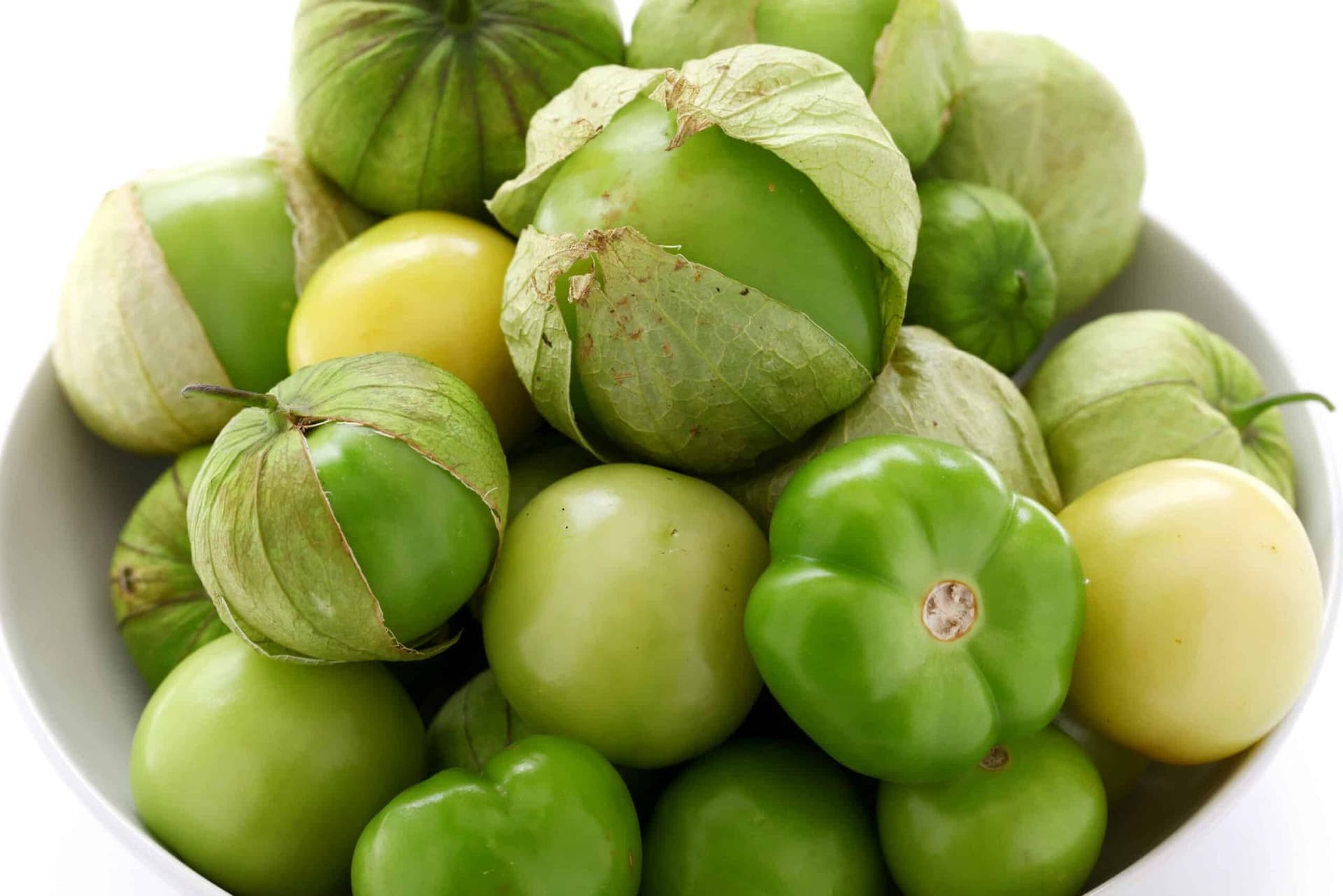
Tomatillos grow inside papery husks, making it hard to judge ripeness at a glance. This guide explains how to know when tomatillos are ripe and offers practical advice on harvesting and storage.

Plant Recommendations
When to Harvest Tomatillos: How to Tell When They're Ripe
Thorny Plants: A Comprehensive Guide

10 min read · 25 Aug 2026

Thorny Plants: A Comprehensive Guide

Many plants defend themselves with sharp thorns. This guide explores over 20 examples among flowers, shrubs, trees, and vines. You'll learn what each plant looks like, why it grows thorns, and how to quickly identify them.

Plant Recommendations
Thorny Plants: A Comprehensive Guide