

yellow rose (Rosa xanthina) Light Needs

yellow rose grows best in full sun, with several hours of direct light each day for strong flowering.

Light Preference

Full Sun

Rosa xanthina Light Requirements

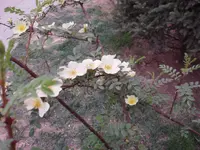
Rosa xanthina is associated with open, sunny habitats such as slopes, scrub, and thickets where light is strong for much of the day. In cultivation, those conditions translate to a bright, exposed site rather than shade. Some partial sun can be tolerated, especially in hot afternoon conditions, but reduced light usually means weaker growth and fewer flowers. It prefers full sun.

  • Ideal exposure:

    yellow rose needs about 6–8 hours of full sun daily, including at least 6 hours of direct sunlight for best flowering.

  • Direct sun:

    Mature established plants tolerate all-day sun when acclimated, but sudden exposure after shade can scorch tender new leaves.

  • Partial sun:

    It can grow with 4–6 hours of sun, though flowering and density may be reduced.

  • Afternoon heat:

    In very hot sites, morning sun with light afternoon relief can lower leaf stress without making the site shady.

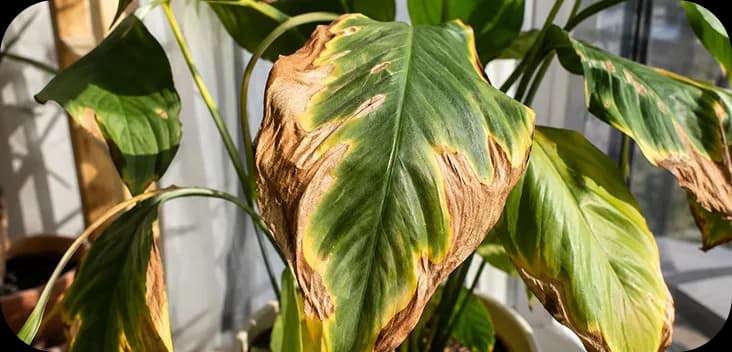
Excess light is usually linked to sudden exposure or harsh heat.

Bleached patches:

Leaves may develop pale, dry patches on the upper surface after a sudden move into intense sun.

Crisped petals:

Flowers can fade quickly or develop dry petal edges during hot, direct afternoon exposure.

Tender shoots:

Soft new shoots may look limp during the brightest part of the day, especially after a rapid light change.

Bronzed leaves:

Exposed leaves may take on a dull bronze cast when sun and heat are both high.

Add temporary shade cloth during harsh afternoons, or move a container to a site with morning sun and afternoon relief. Increase exposure gradually after shaded conditions.

Rosa xanthina shows low-light stress through weak growth and reduced bloom. Shade is not a suitable long-term condition.

  • Long canes:

    Stems may become thinner and longer as they reach toward brighter areas.

  • Leaning habit:

    Growth may angle toward the strongest light instead of staying evenly shaped.

  • Sparse flowering:

    Flower production often drops when direct sun is limited during the growing season.

  • Smaller growth:

    New leaves and shoots may stay smaller and less vigorous than normal.

Move a container to a sunnier position, or clear nearby shade where possible. Increase light over several days if the plant has been shaded.

Choose the brightest available outdoor spot if full sun is limited. A site with 4–6 hours of morning sun is a better compromise than afternoon shade all day.

Remove or reduce nearby obstructions that cast heavy shade during spring and early summer. Rotate a container every few weeks to keep growth balanced.

Full shade is unsuitable because it limits flowering and encourages weak, open growth.

Get Personalized Care Plan

Scan your plant to receive care tips personalized for your specific plant

FAQ

For yellow rose light requirements, full sun is the target. This plant performs best with strong outdoor light and several hours of direct sun during the growing season.

More Plant Light Guides

Get the Botan App

Discover how to care for your plants with Botan.

Botan app identifying a plant with a phone camera
Plant Pot Sizes: How to Choose the Right Plant Container

7 min read · 20 Aug 2026

Plant Pot Sizes: How to Choose the Right Plant Container

Plant pot sizes can be confusing because the number on the label only tells you part of the required information. A container may look spacious but actually be too shallow. So, how to choose pot size for plant species?

Beginner Guides
Plant Pot Sizes: How to Choose the Right Plant Container
10 Easy Garden Flowers to Grow

8 min read · 10 Sept 2026

10 Easy Garden Flowers to Grow

Discover 10 garden flowers that require minimal care. Learn which characteristics make plants easy to grow and follow tips on how to create a beautiful corner from beginner-friendly blooms on your property.

Beginner Guides
10 Easy Garden Flowers to Grow
8 Glow-in-the-Dark Plants and Fungi That Really Exist

8 min read · 6 Nov 2026

8 Glow-in-the-Dark Plants and Fungi That Really Exist

Plants that glow in the dusk really exist. Some of them produce their own light, while others need UV exposure or special treatments. Explore eight fascinating examples, including glowing petunias, bioluminescent mushrooms, fluorescent flowers, and experimental succulents.

Plant Recommendations
8 Glow-in-the-Dark Plants and Fungi That Really Exist