


mazapan (Malvaviscus penduliflorus) Light Needs

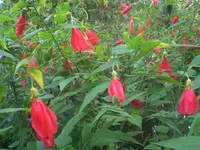
mazapan grows best in partial sun, with bright light and several hours of gentle direct sun daily.

Light Preference

Partial Sun

Malvaviscus penduliflorus Light Requirements

In warm, frost-free landscapes, this species grows as a woody shrub where sunlight is bright for much of the day, often with some overhead filtering from nearby vegetation or structures. Leaves and flower buds develop best with steady light, while the plant can handle open sun when acclimated and heat stress is not severe. In cultivation, it prefers partial sun.

  • Ideal exposure:

    Malvaviscus penduliflorus needs about 6–8 hours of bright light daily, ideally partial sun with 3–5 hours of direct morning or late-day sun.

  • Full sun tolerance:

    Established outdoor plants can tolerate full sun, but harsh afternoon exposure is safest only after gradual acclimation and with good airflow.

  • Filtered midday light:

    Light shade during the hottest part of the day helps reduce leaf scorch in very hot sites.

  • Deep shade risk:

    Deep shade is not suitable because flowering weakens and new stems tend to stretch toward stronger light.

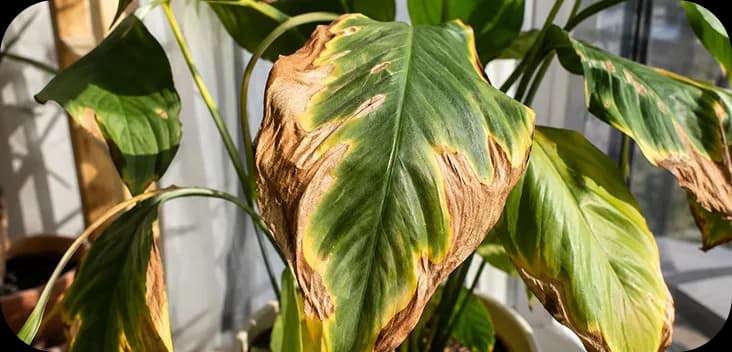
Strong sun can stress leaves, especially after a sudden move.

Bleached patches:

Pale tan or whitish areas may appear on upper leaves most exposed to direct afternoon sun.

Papery spots:

Sunburned sections can turn dry and thin, while shaded leaves remain greener and softer.

Wilting in sun:

Leaves may droop during hot, bright hours even when the plant recovers later in the day.

Bud stress:

Flower buds may fail to open well if intense heat and sun hit the plant for long afternoon periods.

Move the plant to partial sun or add light filtering during the hottest hours. Acclimate it gradually before returning it to stronger exposure.

Low light usually shows in growth and flowering before leaf damage appears. Shade is not a good long-term position for this species.

  • Longer stems:

    New shoots may become stretched, with more space between leaves as they reach toward brighter light.

  • Fewer flowers:

    The plant may produce many leaves but few buds when direct sun is too limited.

  • Leaning growth:

    Stems often angle toward the strongest light source instead of growing evenly.

  • Small new leaves:

    Fresh growth may stay smaller and thinner during the active growing season.

Shift it into brighter partial sun over several days. If grown in a container, choose the brightest protected spot available.

If ideal partial sun is not available, choose morning sun with light afternoon shade rather than deep shade or long hot exposure.

Rotate container-grown plants every 1–2 weeks so all sides receive even light and flower bud formation stays balanced.

Avoid placing it under dense tree cover or against a dark wall because both setups reduce flowering.

Get Personalized Care Plan

Scan your plant to receive care tips personalized for your specific plant

FAQ

The best light for mazapan is partial sun: bright outdoor light with about 3–5 hours of direct sun, preferably earlier or later in the day, plus bright filtered light.

More Plant Light Guides

Get the Botan App

Discover how to care for your plants with Botan.

Botan app identifying a plant with a phone camera
How to Repot a Plant: A Step-by-Step Guide

7 min read · 28 May 2026

How to Repot a Plant: A Step-by-Step Guide

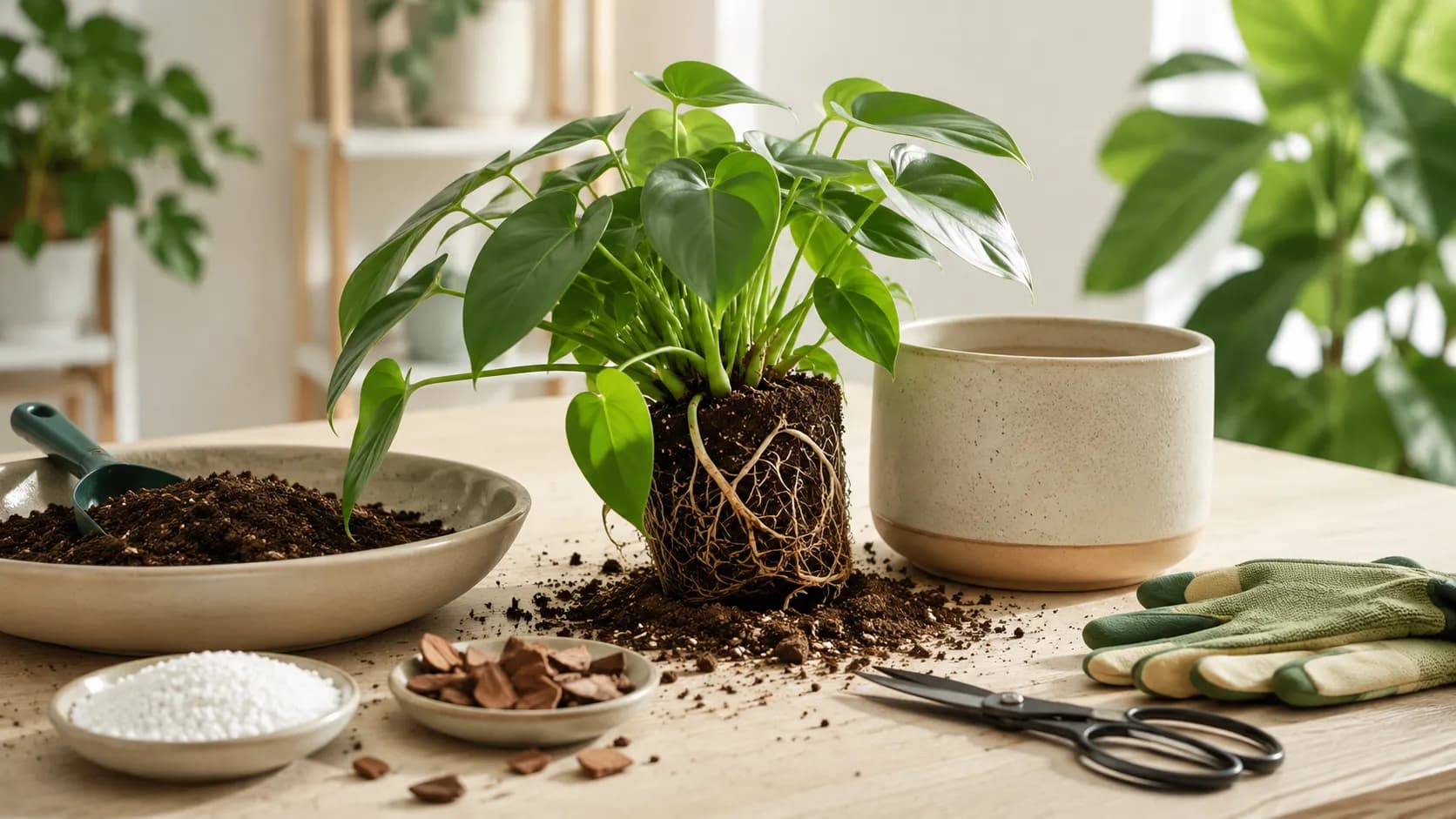
In spring, many plants need repotting—an essential part of care. To avoid stress, consider the plant’s type and size. This article offers a step-by-step guide for repotting indoors or outdoors and shows how to check plant health and get care tips using the Botan app.

Plant Care
How to Repot a Plant: A Step-by-Step Guide
How Long Can Flowers Go Without Water? Everything You Need to Know

6 min read · 10 Jul 2026

How Long Can Flowers Go Without Water? Everything You Need to Know

Flowers can survive without water anywhere from 1-2 hours to several months, depending on the plant type, species, and growing conditions. Some strong-looking flowers are drought-sensitive, while delicate-looking plants may tolerate long dry periods surprisingly well.

Plant Care
How Long Can Flowers Go Without Water? Everything You Need to Know
12 Best Cold-Hardy Vegetables for Cold Weather

7 min read · 13 Oct 2026

12 Best Cold-Hardy Vegetables for Cold Weather

Cold-hardy vegetables can keep a garden productive through chilly fall, winter, and early spring weather. This guide covers 12 reliable crops, their frost tolerance, and practical growing tips for better cold-season harvests.

Plant Recommendations
12 Best Cold-Hardy Vegetables for Cold Weather