How Long Can Flowers Go Without Water? Everything You Need to Know
Flowers can survive without water anywhere from 1-2 hours to several months, depending on the plant type, species, and growing conditions. Some strong-looking flowers are drought-sensitive, while delicate-looking plants may tolerate long dry periods surprisingly well.

On this page
- Flowers and Watering: How Long Each Type Can Last
- Safe Time Without Watering for Popular Flowers
- Which Flowers Are the Most Resilient?
- Watering Frequency for Flowers: How to Get It Right
- What to Put in Water to Keep Flowers Fresh
- How Long Cut Flowers Last Without Water
- How to Transport Flowers Without Water – 3 Tips
Proper watering can be challenging — and often counterintuitive. Flowers that seem strong and long-lasting can be very drought-sensitive. Plants that look very delicate can survive for weeks with nearly no moisture.
So, exactly how long can flowers go without water? The honest answer is from 1-2 hours to months. It will depend on the type of plant, exact species, and environmental conditions.
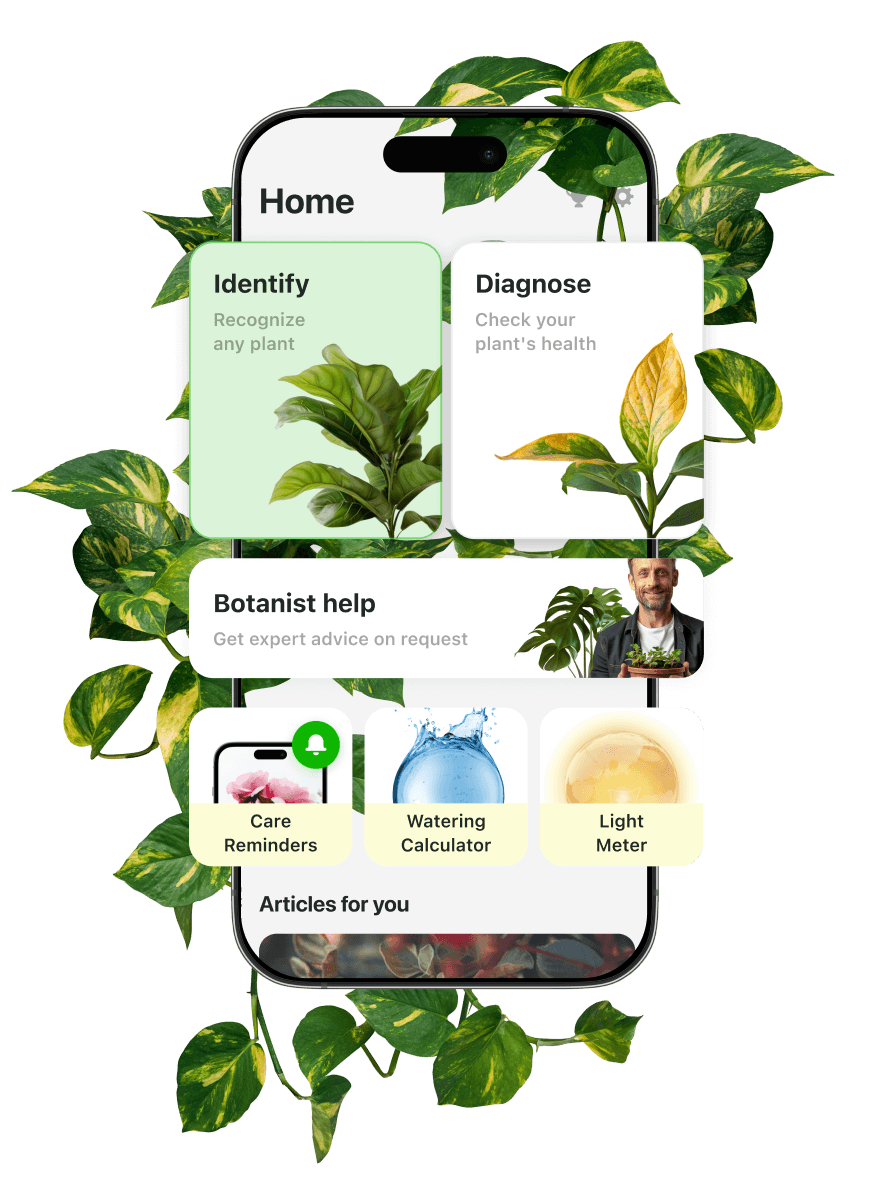
With an app like Botan, you can easily get science-based recommendations and never miss the right time to take care of your plants. Still, knowing the basic principles of watering flowers can also help a lot, and we’re going to share all the most essential tips below.

Flowers and Watering: How Long Each Type Can Last
First, it’s crucial to see the difference between the three main types of flowers:
- Potted — last 7 days without water on average. Such plants have no access to wider soil, so proper watering is crucial. Pot size largely determines how much water is needed, while overwatering is the number one threat.
- Garden — last 1-2 weeks on average. Garden flowers have direct access to soil, but compete with other plants (if any). Watering will depend on multiple environmental factors. The main potential problem is surface watering, which may not reach the roots.
- Cut — last 4-5 hours on average. Cut flowers have the shortest lifespan and can’t recover — water only keeps their cells from collapsing. Stem blockage and bacteria are the main concerns.
However, how long flowers last out of water will depend not only on the group but also on the species. Also, soil conditions, humidity, sunlight, and temperature greatly affect longevity.

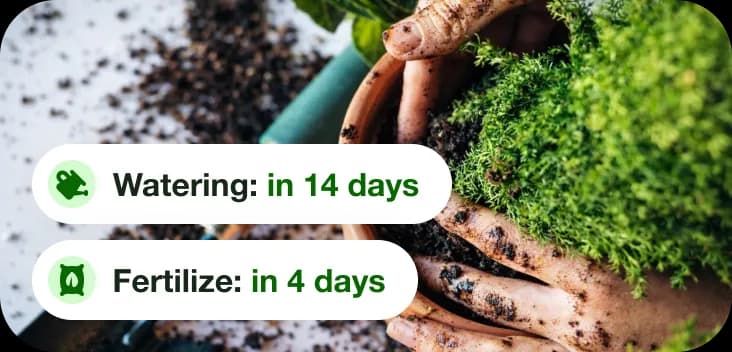
Your Personalized Care Plan
Get personalized plant care recommendations in the app
Safe Time Without Watering for Popular Flowers
Let’s consider a few examples of drought tolerance across different types and species.
Type | Category | Safe Time Without Water |
Garden | 1-2 weeks | |
Garden | 3-4 weeks | |
Garden | 3-5 days | |
Potted | 1-2 weeks | |
Petunias | Potted | 1-2 days |
Potted | 1+ month |
As you can see, the contrast between groups and even species can be huge.
For example, popular ghost echeveria doesn’t need water for 4 to 8 weeks and requires none at all during its winter dormant season. By contrast, the peace lily droops in 3-4 days and can die in 1-2 weeks without watering.
Also, a lot will depend on whether the plant is potted or grows in a garden. For example, even non-resilient garden petunias can last 4-5 days longer than potted ones.

Which Flowers Are the Most Resilient?
There are no flowers that don't need water at all. However, certain species maintain good health and beauty even without regular watering, and they are present in every group. If you are looking for such an option, consider choosing:
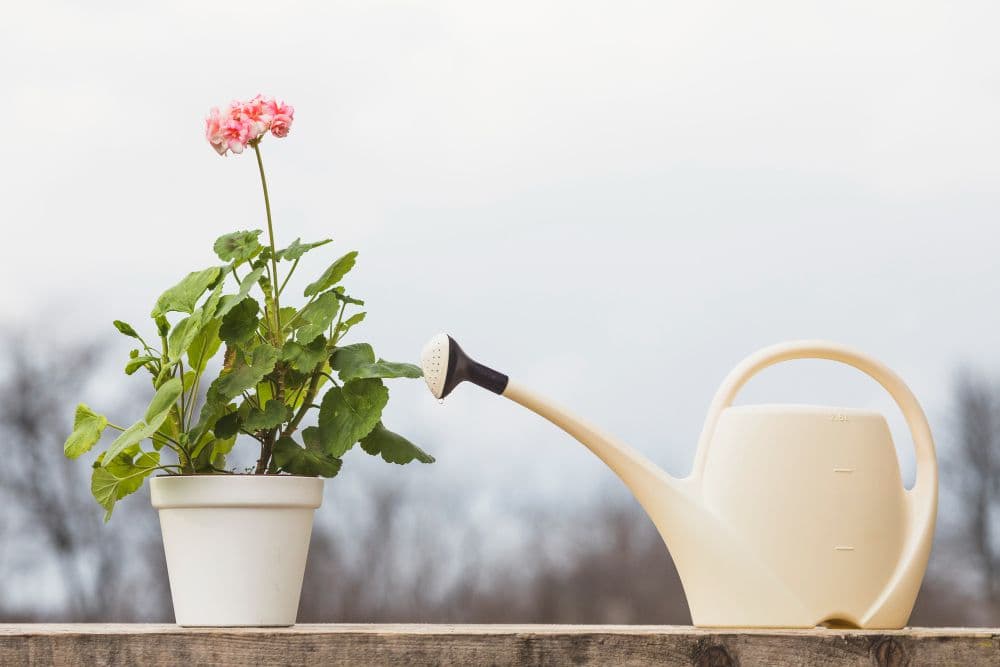
- Potted: all flowering succulents and sedums, geraniums, and potted orchids.
- Garden: Mediterranean flowers (e.g., lavender, salvia), coneflowers, black-eyed Susans, and yarrows.
- Cut: chrysanthemums, carnations, alstroemeria, zinnias, and statice.
Though the above-listed garden and potted plants don’t need frequent watering, they still require the right care. For example, succulents don’t tolerate much moisture, geraniums need warmth, and some orchids need a slight drop in night temperatures to rebloom.

Watering Frequency for Flowers: How to Get It Right
Unfortunately, there’s no universal watering schedule that fits every species, or even a group of plants. Still, every flower signals a lack of moisture — no exception to this rule.
The signs are especially easy to notice if you know the key principle. Without water, cells lose their turgor pressure. This becomes apparent quite quickly in cut flowers, when their stems and heads droop, petals soften, and start to wilt.
With garden and potted flowers, signs are often less obvious, but still noticeable:
- Stems also start wilting
- Leaves curl, roll, turn yellow, dull, and drop
- Flowers lose their bright color
- The entire plant slows its growth
- Buds and blooms get significantly smaller
- Leaf edges or tips get crispy
- Soil is getting dry, with visible cracks
- Pest activity is growing
Note that similar symptoms may indicate other problems.
For example, wilting can also be caused by overwatering, root damage, or heat stress. Browning leaves are often associated with excessive fertilization or low humidity in air-conditioned rooms. Moreover, such symptoms may sometimes signal a combination of a few unfavorable conditions.
Systematic care requires integrated knowledge of what the plant needs. With the Botan flower care app, you can easily acquire it — build the right watering plan, get detailed care guides, and use effective treatment plans, all in one place.
What to Put in Water to Keep Flowers Fresh
Just keeping flowers in water isn’t always enough. If you’ve just got a bouquet, consider using one or a combination of these additives.:
- Commercial flower preservative — optimal combination of ingredients for a specific species
- Sugar — the source of carbohydrates, or simply put, energy for the plant
- Bleach — kills microorganisms multiplying in water and reduces odor
- Acidifiers (citric acid, vinegar, lemon juice) — lower pH, improve water uptake
Also, consider what your specific flower needs more of. For example, sugar and bleach are typically good for roses, while hydrangeas do well with this combination plus lemon juice. Tulips and orchids, in turn, prefer cold water without additives — maybe with just a few drops of vinegar.
If you’re in doubt, choose a commercial flower preservative — they come pre-balanced for optimal result.

How Long Cut Flowers Last Without Water
How long can flowers survive without water? Most last 2-6 hours, as the cut flower starts to draw in air instead of moisture. That causes the cells to slowly collapse and lose their structure.
The exact time frame, however, will depend on the species' resilience level:
- Chrysanthemums, carnations: up to 12-24 hours
- Lilies, sunflowers: 6-8 hours
- Roses, daisies, daffodils: 6-8 hours
- Orchids: 3-5 hours
- Tulips, gladioluses: 2-3 hours
Some species can last even less. For example, cut hydrangeas can go only 30-60 minutes without moisture due to their large leaf surface area and quick dehydration.
How to Transport Flowers Without Water – 3 Tips
Ask a florist to place your bouquet in wet floral foam. Even a small piece can help ultra-sensitive flowers, such as hydrangeas, last at least a few hours longer before you can put them into the vase.
If that’s not an option, follow these simple recommendations:
- Take a wet cloth or paper towel and wrap the cut ends. Then, put a plastic bag over the towel to transport your bouquet comfortably.
- Buy and use small water tubes. Costs start at around $10 for a set, and they are reusable. You’ll only need to fill them with water and insert stems through the holes.
- Put flowers in a cardboard box. This can be combined with Tip 1. Wrap the stems in a wet paper towel and place the flowers in the box filled with a foam insert, tissue paper, or bubble wrap.
Remember that the temperature is crucial. If possible, get a bag of ice and place it right next to the stems to slow down the plant’s metabolism.
FAQ
Warmer water (80-110°F (27-43°C)) is better absorbed by most flowers, but it’s not such a significant factor. The water in the vase will reach room temperature anyway. Most cut flowers are likely to last longer in a cold room, though. Still, we’d recommend focusing on more important things: making angled cuts on the stems and changing water every 2-3 days.
Dariia Plaksina
Botanist
5 years of botanical research experience
Dariia Plaksina is a biologist, botanist, and writer of informational articles with over 5 years of experience exploring the world of plants, nature, and biology. She studied at Taras Shevchenko National University of Kyiv, Educational and Scientific Center “Institute of Biology and Medicine,” where she built a strong scientific foundation for her future work.
For Dariia, writing is a hobby, a calling, and a way to make reliable knowledge easier to understand. Her articles focus on plant care, plant health, and natural processes, helping readers learn more about the living world through clear, accessible, and science-based explanations.
Related Articles
5 min read · 28 Sept 2026
How to Winterize Your Garden in 6 Steps
Learn how to prepare your garden for winter with a practical six-step checklist covering cleanup, tender plant care, watering, mulching, winter protection, and winterizing equipment and containers.
6 min read · 15 Sept 2026
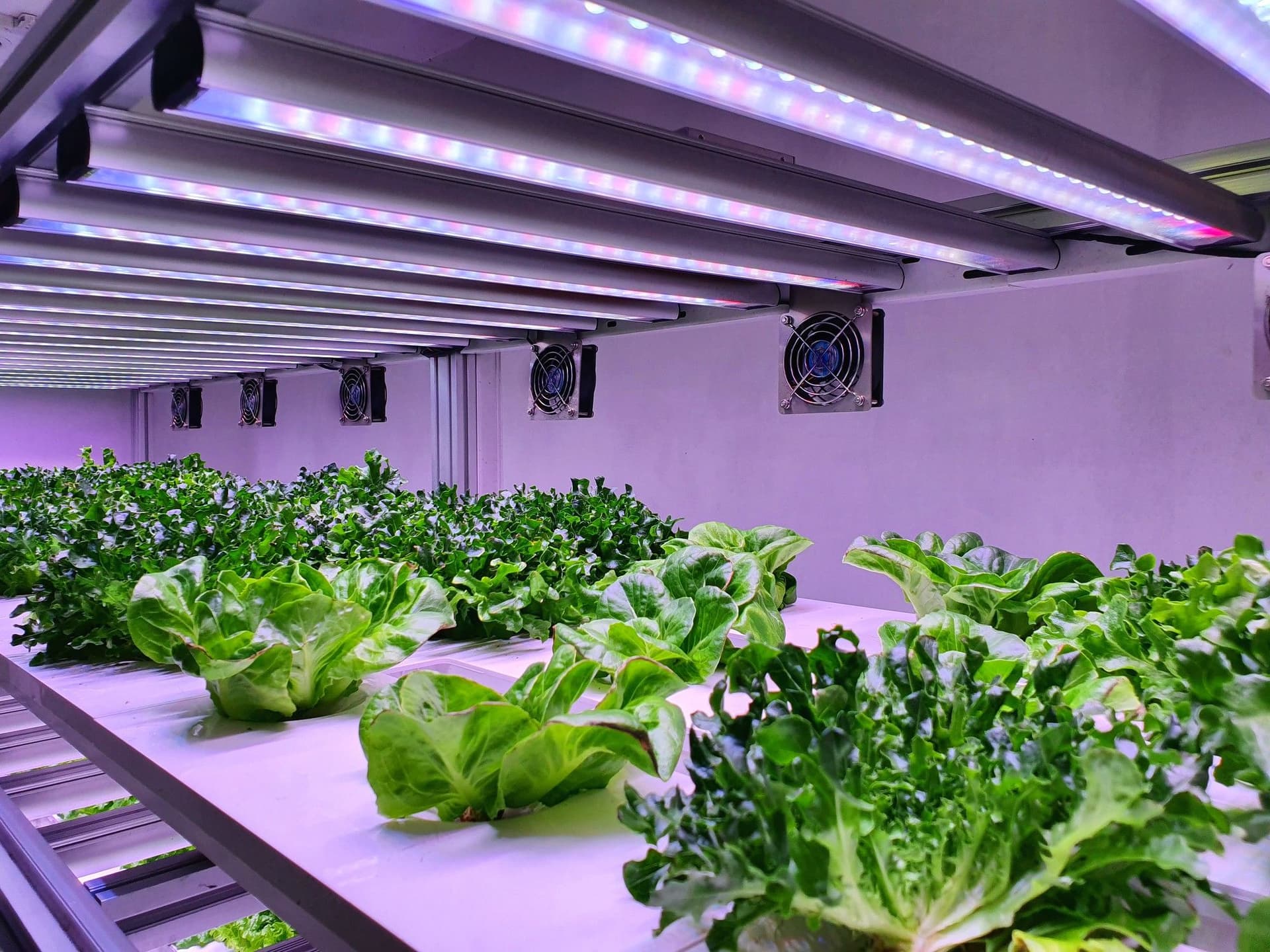
Can Plants Grow With Artificial Light?
Plants can grow under artificial light when the setup provides a suitable spectrum, enough intensity, and sufficient daily exposure. This guide explains how artificial lighting compares with sunlight, which options work indoors, and how to match a setup to houseplants.
4 min read · 14 Sept 2026
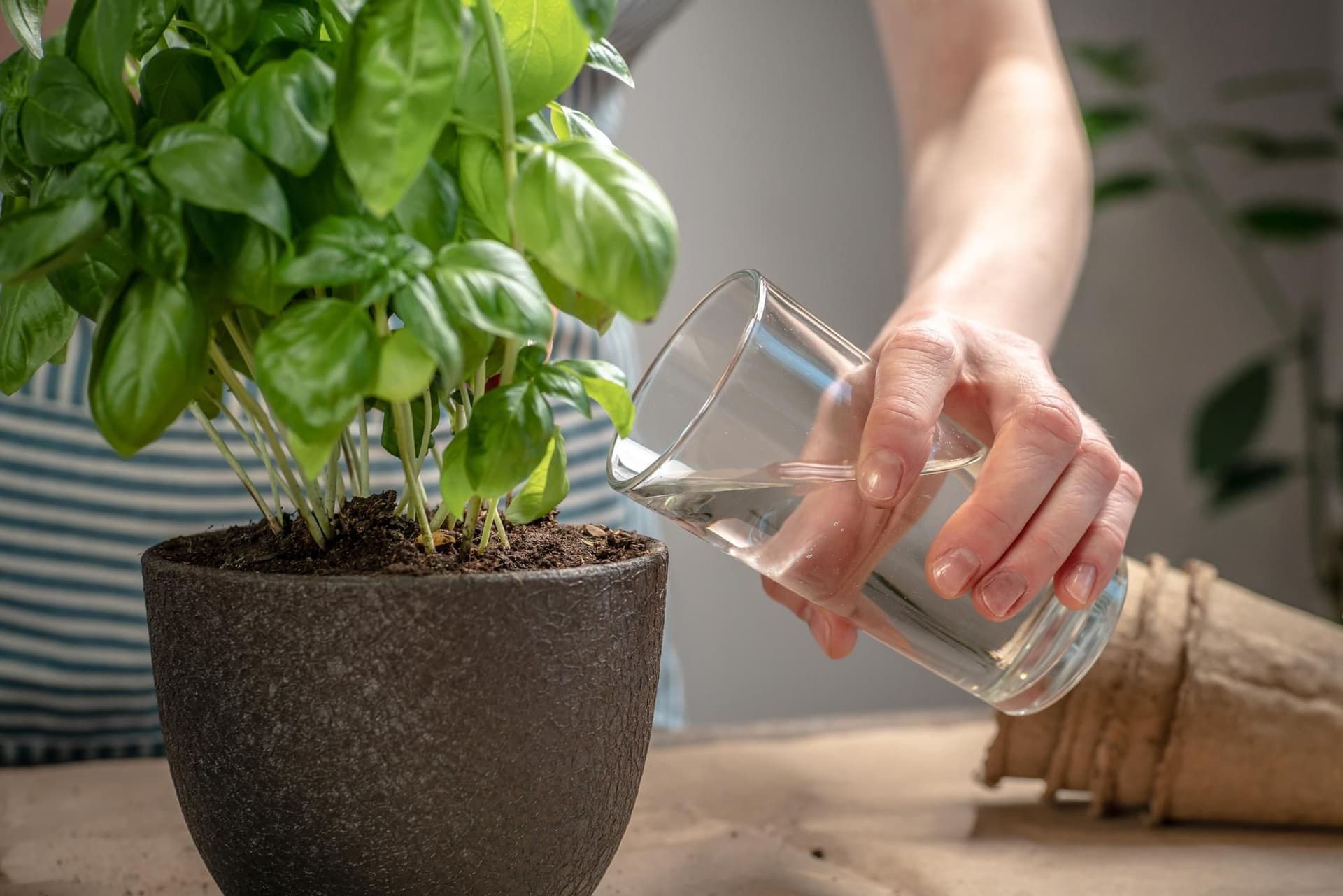
Is Sugar Water Good for Plants?
Sugar water may sound like an easy boost, but most rooted plants do not need extra sucrose. This guide explains how green tissues produce carbohydrates, when a sweetened solution can be useful, and why too much can cause problems.
Explore Plants by Care Needs
 POPULAR
Polka Dot Begonia
Begonia maculata
 POPULAR
King Begonia
Begonia rex
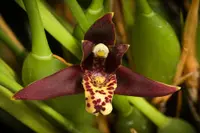 POPULAR
Coconut orchid
Maxillaria tenuifolia
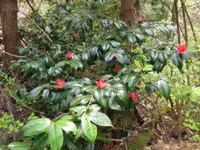 POPULAR
Japanese camellia
Camellia japonica
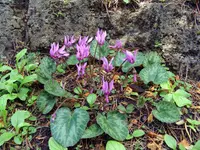
cyclamen
Cyclamen purpurascens
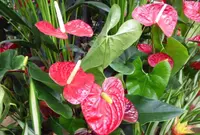 POPULAR
Flamingo Flower
Anthurium andraeanum
 POPULAR
Pink Rock Orchid
Dendrobium kingianum
 POPULAR
Pink Jasmine
Jasminum polyanthum
Identify the plant and problem. Help your plant recover
Identify plant problems early, understand what's wrong, and get clear care guidance. Botan helps you turn guesswork into confident plant care