How to Winterize Your Garden in 6 Steps
Learn how to prepare your garden for winter with a practical six-step checklist covering cleanup, tender plant care, watering, mulching, winter protection, and winterizing equipment and containers.


On this page
- Step 1: Clean Up Your Garden
- Step 2: Prepare Tender Plants for Winter
- Step 3: Water Your Garden Before the Ground Freezes
- Step 4: Protect Soil and Roots With Mulch
- Step 5: Protect Plants From Winter Weather and Wildlife
- Step 6: Winterize Your Garden Equipment and Containers
- Quick Winter Garden Checklist
- What to Avoid When Preparing Your Garden for Winter
Knowing how to winterize garden beds is an important part of fall care. It helps protect roots, support spring regrowth, and reduce pest and disease problems. This step-by-step guide from Botan shows you how to prepare plants, soil, and supplies for the colder months ahead, as well as what mistakes to avoid.
Step 1: Clean Up Your Garden

Fall cleanup is a foundation of how to winterize your garden. This sanitary step removes places where diseases and pests can overwinter, as well as protects your outdoor space while preserving its neat appearance.
Start by cleaning away old vegetables after harvesting, weeds, and badly diseased foliage. Remove collapsed stems with mildew, blight, or pest damage from annual plants. Leave healthy leaves on the soil surface as a light garden cover, or use them as fertilizer by chopping and composting them.
Diseased material, in turn, should go in the trash, not the compost pile. As for healthy seed heads and hollow stems, keep them to support beneficial insects and winter wildlife.

Your Personalized Care Plan
Get personalized plant care recommendations in the app
Step 2: Prepare Tender Plants for Winter

Learning how to winterize a garden, remember that not every plant can stay outdoors during the cold season. Tender herbs, tropical ornamentals, dahlias, cannas, gladiolus, and some summer bulbs require an indoor place for wintering. So, lift, cure, and move them to a cool, dry, frost-free basement or garage before the first freezes.
If you’re not sure whether the plants in your garden are tender or hardy, use a plant identifier app, which can help you to find out the correct answer. And before acting, check reliable plant care guides to understand whether your plants need special winter preparation.

Not sure how to winterize your garden?
Receive tips about preparing plants for frost
Step 3: Water Your Garden Before the Ground Freezes

The end of the summer and the arrival of cooler fall weather don’t mean you should stop watering. This is also an important step in winterizing garden, especially for trees, shrubs, evergreens, new perennials, and recently planted beds.
After all, deep watering before the soil freezes makes the soil moist. In such conditions, it stores more heat than dry soil, which reduces the depth of frost penetration and protects the roots. Without enough rain in the late fall, plants can become stressed by damage to roots or leaves and increased susceptibility to diseases and insects.
The University of Illinois Extension recommends monitoring soil moisture weekly in fall and watering trees and shrubs during dry weather above 40°F. Use a soaker hose or drip irrigation to water roots slowly and prevent runoff. Avoid soggy soil, which reduces oxygen around roots and increases the risk of rot.
Step 4: Protect Soil and Roots With Mulch

When winterizing the garden, think about protecting soil and roots with mulch. This layer covering the soil can help to protect crowns, roots, and spring-flowering bulbs from the extreme cold, retain soil moisture, and reduce freeze-thaw cycles. It is especially useful for perennial plants and bulb flowers, as well as for regions with unreliable snowfalls.
University of Minnesota Extension recommends applying organic-based mulches, such as shredded leaves, straw, decomposed compost, and ground corn stalks. Around trees and shrubs, apply the protective layer in a wide ring like a “donut” shape, keeping it away from trunks and stems.
Step 5: Protect Plants From Winter Weather and Wildlife

When you winterize your garden, also keep in mind that some species need physical protection from wind, snow load, sunscald, rapid temperature swings, and wild animals, such as rodents, rabbits, and deer.
Broadleaf evergreens, young trees, roses, and newly planted shrubs are usually vulnerable. Burlap screens, tree guards, breathable wraps, or temporary fencing are excellent as protective barriers. Proper winter protection helps keep plants healthy and can indirectly support carbon storage in trees.
Step 6: Winterize Your Garden Equipment and Containers

Garden winterization is not only about plants. It’s also worth taking care of the equipment and containers:
- Draining. Drain the water from hoses, watering cans, and irrigation systems. Also, shut off outdoor taps.
- Tool maintenance. Clean hand tools, sharpen blades, and disinfect pruners before storage.
- Proper storage. Store fertilizers, pesticides, and soil amendments according to label directions and keep them away from moisture.
- Container protection. Empty ceramic, terra-cotta, and thin plastic pots and move them into a shed, garage, or sheltered area. If large pots must stay outside, raise them slightly for drainage and insulate the outside where root systems are vulnerable.
Taking care of your hoses, tools, and containers helps prevent rust, cracks, and other winter damage, keeping them ready for use in spring.
Quick Winter Garden Checklist
Here is a simple checklist that can help you to winterize a garden before freezing weather arrives:
Garden task | Why it matters | Best time |
Clean up the garden from diseased debris | Reduces overwintering pests and pathogens | After harvesting |
Lift tender plants and bulbs | Prevents freeze damage | When leaves begin yellowing |
Water deeply | Helps roots enter winter hydrated | Before ground freezes |
Cover the soil with mulch | Protects roots from freeze-thaw cycles | After soil begins to freeze |
Protect shrubs and trees | Reduces wind, wildlife, and sunscald damage | Late fall |
Drain hoses and irrigation | Prevent freeze cracking | Before hard freezes |
This table works best as a final pass after your main cleanup is done. Walk through the garden bed by bed so you do not miss containers, young plants, or irrigation parts.
What to Avoid When Preparing Your Garden for Winter
The biggest mistake is doing every task too early or too aggressively. For example, pruning too early or too heavily can weaken plants, while late pruning can stimulate tender growth that may not harden before winter.
Fertilizing late in the season can also encourage new growth. Also, avoid piling mulch against stems or crowns, overwatering before a freeze, or covering plants with non-breathable plastic for long periods. These habits can lead to root rot, rodent damage, or weaker winter survival.
FAQ
Yes. Many hardy plants can survive one light frost, especially established perennials, cool-season vegetables, and dormant shrubs. Tender species such as annuals or warm-season crops can also be saved if you cover them overnight with breathable fabric, then remove it the next morning.
Anastasiia Vasylchyshyna
Botanist
5+ of botanical experience
Anastasiia Vasylchyshyna studied biology at Taras Shevchenko National University of Kyiv, at the Educational and Scientific Center "Institute of Biology and Medicine." That academic grounding shaped how she approaches every article: start with the science, end with something a plant owner can actually act on.
Over the years, she's written dozens of articles on plant care and plant pathology — covering everything from seasonal plant picks, garden prep, propagation and pruning guides, and the everyday mistakes that harm houseplants. Her goal isn't just to answer a question, but to help readers understand why a plant behaves the way it does, so they can spot problems on their own next time.
Related Articles

6 min read · 15 Sept 2026
Can Plants Grow With Artificial Light?
Plants can grow under artificial light when the setup provides a suitable spectrum, enough intensity, and sufficient daily exposure. This guide explains how artificial lighting compares with sunlight, which options work indoors, and how to match a setup to houseplants.
4 min read · 14 Sept 2026
Is Sugar Water Good for Plants?
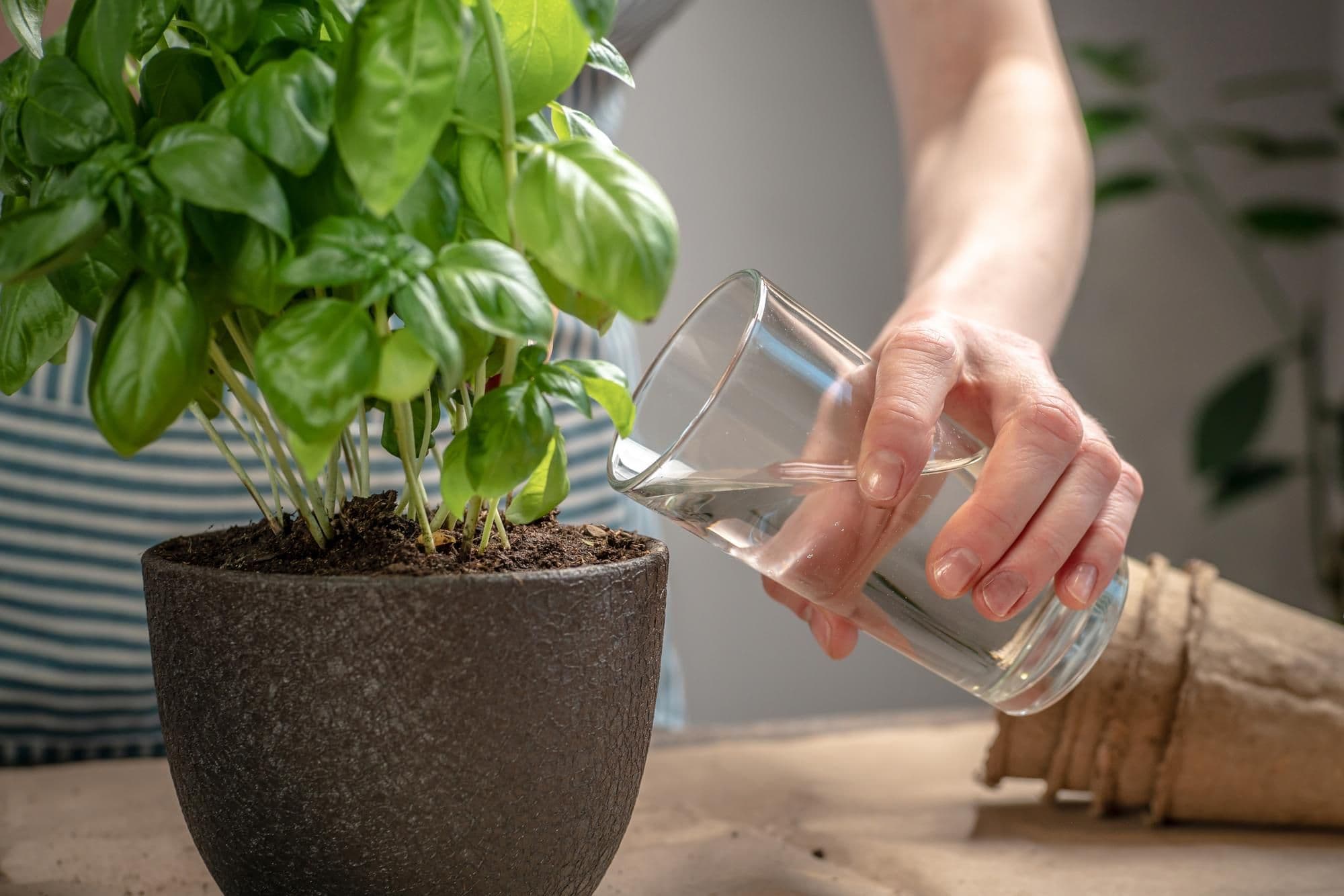
Sugar water may sound like an easy boost, but most rooted plants do not need extra sucrose. This guide explains how green tissues produce carbohydrates, when a sweetened solution can be useful, and why too much can cause problems.

6 min read · 1 Sept 2026
How To Revive a Dying Plant: 6 Steps To Bring A Plant Back To Life
Drooping leaves and brown tips don't always mean the end, and a weakened plant can often recover with a little help. These six simple steps will help you revive a dying plant and restore its health.
Explore Plants by Care Needs





Identify the plant and problem. Help your plant recover
Identify plant problems early, understand what's wrong, and get clear care guidance. Botan helps you turn guesswork into confident plant care