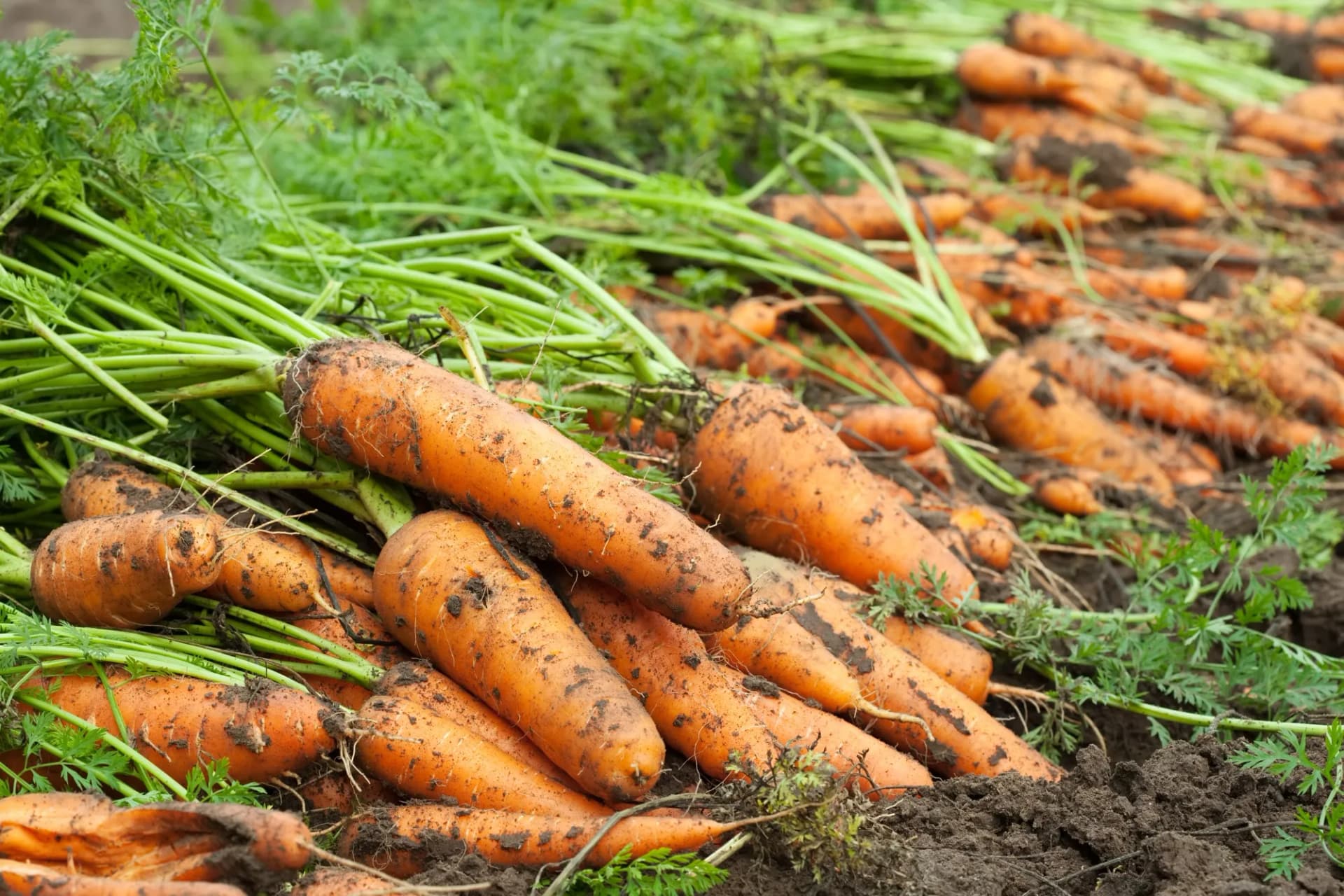
When to Harvest Carrots: Timing, Signs, and How to Pick Them
Carrots are usually ready 60-80 days after sowing them in the soil, depending on the variety. Learn how to recognize maturity signs, choose the right harvest season, pull carrots without damaging them, and store roots after picking.

On this page
- When Are Carrots Ready to Harvest?
- Days to Harvest by Carrot Type
- How to Know When Carrots Are Ready to Harvest
- Check the Shoulder Size
- What Do Carrots Look Like When Ready to Harvest?
- Pull a Test Carrot
- What Month Are Carrots Harvested?
- When to Harvest Baby Carrots vs. Full-Size Species
- How to Harvest Carrots Without Breaking Them
- What Happens If You Don't Harvest Carrots on Time?
- How to Store Carrots After Harvest
Wondering when to harvest carrots for sweet, juicy, and crisp roots? Most varieties mature in approximately two months, but size and flavor matter more.
In this guide, learn how to check the vegetable's maturity, choose the best harvesting months, pull roots without breaking them, and store your harvest properly for lasting freshness.
When Are Carrots Ready to Harvest?
Unlike leafy greens, which can be harvested several times per season, carrots are grown primarily for their sweet roots and usually pulled once. Orange vegetable picking timing depends mainly on the variety, root size, and growing conditions. Early finger varieties mature faster than larger storage species, so check the seed packet for maturity estimates.
Growing conditions also affect the days to maturity. Like other cold-hardy vegetables, orange roots tolerate cool weather, but low temperatures can slow growth, like compacted soil, inconsistent moisture, and overcrowding. Once the expected growing period has passed, check the root size to assess readiness for harvest.

Days to Harvest by Carrot Type
To answer the question “when are carrots ready to harvest”, consider the variety, as orange vegetables differ in shape, size, and days to maturity.
Short, rounded types often mature earlier than longer varieties. The table below compares estimated harvest times for popular orange species.
Carrot Type | Example Varieties | Days to Maturity | Ready Size (Shoulder / Length) | Best For |
Parisian / Round | Paris Market | 60 | 1-2 inches in diameter | Containers, early harvest |
Nantes | Scarlet Nantes | 68 | 1 ½ inches in diameter and 6-7 inches long | Containers, fresh eating, juicing |
Danvers | Danvers Half-Long | 73 | 2– 2 ½ inches in diameter and 6- 7 inches in length | Containers, storage, fresh cooking, juicing |
Imperator | Imperator | 75 | 1 ½ inches in diameter and 10 inches long | Deep, loose soil |
Chantenay | Chantenay | 75 | From 2 to 2 ½ inches in diameter and 5-6 inches long | Heavy and shallow soils, storage |
Baby/ Little Fingers | Little Fingers | 70 | ½ – ¾ inch in diameter and to 5 inches long | Small spaces, snacking |
Note that harvest times and root sizes are approximate and may vary by cultivar and growing conditions.
Keep Plants Thriving
Get simple care guidance tailored to each plant’s needs in the app
How to Know When Carrots Are Ready to Harvest
If you’re wondering how to know when carrots are ready to harvest, combine several indicators: shoulder diameter, root appearance, and test pulling. For the most accurate assessment, combine these indicators instead of relying on just one. Green leaves alone cannot confirm maturity, as most root development happens underground.
Check the Shoulder Size

Checking shoulder diameter helps answer “how do you know when carrots are ready to harvest?” As the orange vegetable grows, its shoulders widen.
Gently brush away soil to expose them. Standard roots are ready to harvest when their diameter reaches ¾-1 inch, while small varieties may be ready at ½ inch.
What Do Carrots Look Like When Ready to Harvest?

To determine when to pick carrots, examine their appearance. The mature biennial typically has firm, evenly colored roots with a shape and size characteristic of their variety.
The taproot should be well developed, without excessive cracking or soft spots. Healthy vegetable tops are usually green and feathery.
Pull a Test Carrot

Wondering how to tell when carrots are ready to harvest without digging up all the rows? Gently pull one root and check its length, shoulder width, color, sweetness, and crispness.
If it is small but tasty, use it fresh in soups, salads, or other seasonal dishes. If the root is still thin or underdeveloped, let the remaining carrots grow and check again in 1-2 weeks.
Not sure it’s a carrot?
Identify the vegetable by photo and get care tips
What Month Are Carrots Harvested?
The best month for harvesting carrots depends on sowing time, variety, and climate. Unlike many warm-season crops in a vegetable list, carrots can be harvested during cooler months.
In many US gardens, spring-planted orange roots are harvested in summer, while late-summer sowings produce fall crops, which, due to autumn weather and light night frost, become sweeter.
Sowing Time | Typical Harvest Window | Notes (Climate / Flavor) |
March-April | May-July | Temperate regions with suitable spring soil conditions |
May-June | July-September | Hot weather may slow root development |
July-August | September-November | Cool autumn weather may improve sweetness |
Fall-winter under protection | Winter-spring | Beds protected with mulch, cold frames, or low tunnels can help extend the carrot harvest season |
These harvest windows are approximate and depend on local frost dates, summer heat, and soil conditions.
When to Harvest Baby Carrots vs. Full-Size Species
If you’re wondering when to pull carrots while they’re still small, do it after 50-60 days, when baby plants are at ½ inch in diameter. These may be naturally small varieties, such as Little Finger, or immature roots of standard cultivars. Vegetables removed during thinning can also provide an early harvest for fresh eating.
Full-size carrots need more time to develop, along with consistent watering and other care routines, as described in gardening apps, which can provide useful guidance throughout the growing season. After approximately 2-2.5 months, check whether the roots have reached their expected size and developed a firm texture and characteristic color.
Ultimately, when to pick roots depends on your preferred size, texture, and intended use.

How to Harvest Carrots Without Breaking Them
Understanding how to harvest carrots correctly helps prevent breaking roots, especially in dry or compacted soil. So, we recommend keeping these recommendations in mind:
- Water the soil the day before harvesting or work after rainfall.
- Loosen soil beside the roots using a garden fork.
- Hold the carrot tops close to the crown.
- Pull gently upward while supporting the loosened root.
- Brush off excess soil and inspect for damage.
Using these tips in practice will help you to harvest whole orange roots you can juice, add to salads, or store in a cool cellar for the winter.
What Happens If You Don't Harvest Carrots on Time?
If you delay harvesting, the orange roots may become overmature, namely oversized, cracked, fibrous, or woody, reducing their eating quality. That’s why it’s important to pull the orange vegetables from the soil on time.
You can also leave mature plants in the ground beneath thick mulch for overwintering. In this case, they will not be overmature as cold temperatures slow their growth. However, harvest them before spring bolting and producing flowers, as the vegetable texture and flavor may deteriorate.

How to Store Carrots After Harvest
Proper storage keeps harvested vegetables sweet, crisp, juicy, and rich in carotene. For short-term storage, remove carrot tops, leaving about ½–1 inch of stem. Then, place unwashed or gently cleaned, dry-surfaced roots in a perforated bag in the refrigerator.
For longer storage, transfer the crop to wooden or plastic crates with slightly moist sand and take it down to the humid root cellar where the temperature is above 0°C. Inspect regularly and remove soft or damaged carrots. Avoid storing them near ethylene-producing fruit when possible.
FAQ
Replanting a pulled vegetable is generally unsuccessful because disturbing the developing taproot can damage its growing tissues and produce misshapen regrowth. If you accidentally harvest an immature carrot, use it fresh instead. Leave neighboring plants undisturbed until they reach the preferred size.
Anastasiia Vasylchyshyna
Botanist
5+ of botanical experience
Anastasiia Vasylchyshyna studied biology at Taras Shevchenko National University of Kyiv, at the Educational and Scientific Center "Institute of Biology and Medicine." That academic grounding shaped how she approaches every article: start with the science, end with something a plant owner can actually act on.
Over the years, she's written dozens of articles on plant care and plant pathology — covering everything from seasonal plant picks, garden prep, propagation and pruning guides, and the everyday mistakes that harm houseplants. Her goal isn't just to answer a question, but to help readers understand why a plant behaves the way it does, so they can spot problems on their own next time.
Related Articles

5 min read · 28 Sept 2026
How to Winterize Your Garden in 6 Steps
Learn how to prepare your garden for winter with a practical six-step checklist covering cleanup, tender plant care, watering, mulching, winter protection, and winterizing equipment and containers.
6 min read · 15 Sept 2026
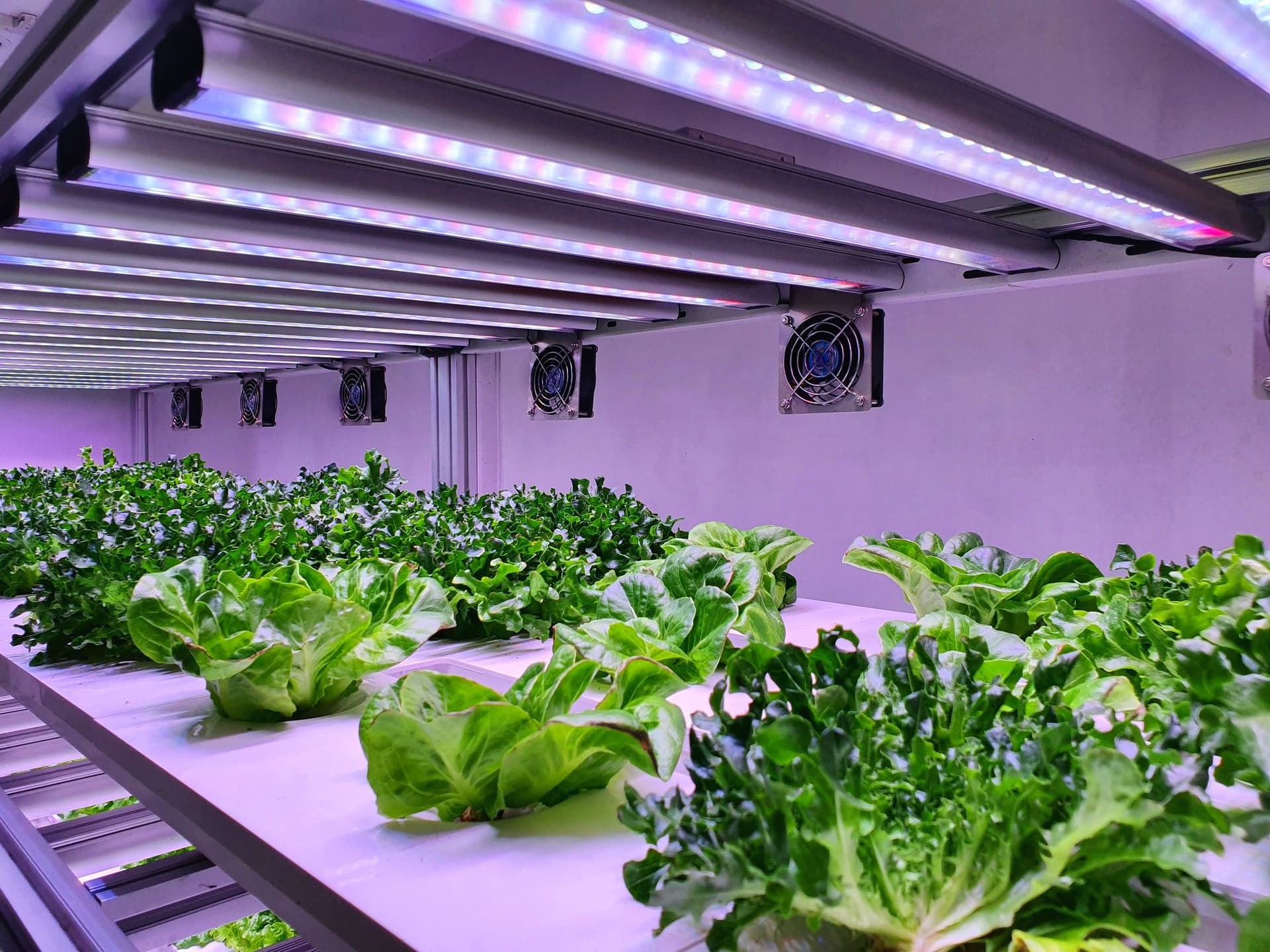
Can Plants Grow With Artificial Light?
Plants can grow under artificial light when the setup provides a suitable spectrum, enough intensity, and sufficient daily exposure. This guide explains how artificial lighting compares with sunlight, which options work indoors, and how to match a setup to houseplants.
4 min read · 14 Sept 2026
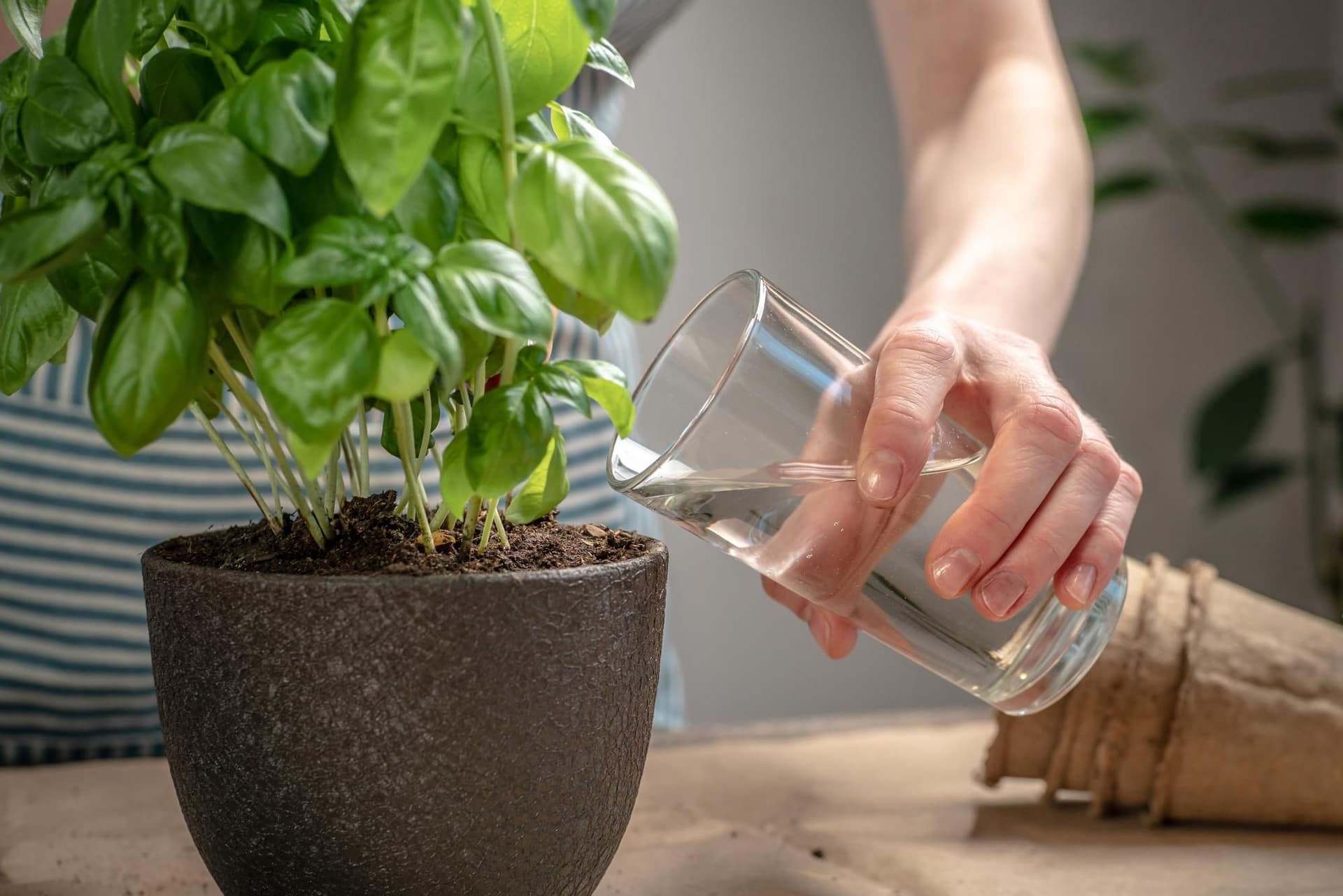
Is Sugar Water Good for Plants?
Sugar water may sound like an easy boost, but most rooted plants do not need extra sucrose. This guide explains how green tissues produce carbohydrates, when a sweetened solution can be useful, and why too much can cause problems.
Explore Plants by Care Needs



Identify the plant and problem. Help your plant recover
Identify plant problems early, understand what's wrong, and get clear care guidance. Botan helps you turn guesswork into confident plant care