Succession Harvesting
Cut outer leaves 2–3 cm above the crown rather than pulling whole plants, rotating harvest areas so each clump gets at least 3–4 weeks to recover and maintain continuous production.

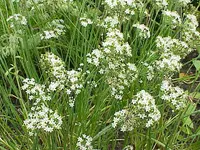
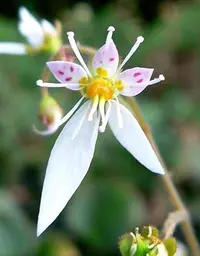
Chinese chives, Allium tuberosum, is a clump-forming perennial herb in the onion family grown for its flat, garlic-scented leaves and edible flower stalks. It usually forms dense tufts of narrow, grass-like foliage with white star-shaped flower clusters held above the leaves.
This species is native to central and eastern Asia and is now widely cultivated in kitchen gardens and containers. It is generally easy to grow, as it tolerates a range of soils and is quite hardy once established.
For reliable results, provide full sun, moderate moisture, and well-drained soil, and learn how to care for Chinese chives to keep plants productive over many seasons.

Care Difficulty
Easy Care

Light Preference
Full Sun

Water Requirements
Moderate Water

Temperature Preference
Cold Hardy

Hardiness Zone
3–9

Soil Texture
Sandy, Loamy, Organic-rich

Soil pH
Acidic (5.5–6.5), Slightly acidic (6.5–7.0)

Soil Drainage
Moist but well-drained

Fertilization
Light (every 4–6 weeks)
Scan your plant to receive care tips personalized for your specific plant
Available on iOS and Android
Allium tuberosum grows best in bright, direct light for strong leaves and good flavor.
Allium tuberosum prefers steady moisture but does not tolerate waterlogged soil.
This herb tolerates a wide range of outdoor conditions but performs best in moderate temperatures.
Allium tuberosum tolerates a wide humidity range and rarely needs special humidity management indoors or outdoors.
Allium tuberosum prefers loose, well-drained, moderately fertile soil that stays evenly moist but not waterlogged.
This species grows reliably in containers when provided with enough root space and drainage.
Allium tuberosum benefits from modest, consistent feeding during the main growing season.
Pruning Allium tuberosum keeps the clump productive and reduces self-seeding.
Chinese chives adapt well to division and transplanting when clumps become crowded or growth slows.
Allium tuberosum is commonly propagated by both clump division and seeds.
Allium tuberosum is cold hardy and usually needs minimal winter care in the ground.

Plant Health Check
Not sure what's wrong with your plant? Check your plant's health inside the app.
The leaves release a mild garlic scent and flavor rather than a strong onion note, which comes from a different balance of sulfur-containing compounds than in common chives or garlic.
The white star-shaped flowers open in late summer and often stay attractive into the evening, providing nectar for night-active insects such as moths when many other herbs are no longer in bloom.
This species is native to regions of northern China and adjacent parts of Asia, where it has been cultivated for centuries as a leafy vegetable, seasoning, and ornamental border plant.

Allium tuberosum forms dense clumps from underground rhizomes that allow it to live many years in the same spot and slowly expand, which is why established stands can persist around old gardens long after cultivation stops.
Yellowing foliage usually results from overwatering, nutrient-poor soil, or natural aging of older leaves. Check drainage, avoid waterlogged conditions, and feed lightly with a balanced fertilizer. Remove the oldest yellow leaves to redirect energy to new growth.
Keep your plants happy and healthy with plant identification, disease detection, and easy care guidance.