currant tomato Care (Solanum pimpinellifolium)

currant tomato

About currant tomato

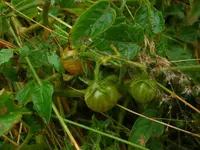
Currant tomato, Solanum pimpinellifolium, is a wild tomato species valued for its very small, flavorful fruits and strong disease resistance. It has a bushy, vining habit with many fine stems and clusters of pea-sized tomatoes. Native to coastal regions of Ecuador and Peru, it often grows in warm, humid environments with good air movement. This species tends to be more vigorous and tolerant of stress than many modern tomato varieties, which can make it easier to grow in varied garden conditions. It prefers full sun, regular moisture, and well-drained, fertile soil, and understanding these basics helps gardeners care for currant tomato successfully.

Main Plant Requirements

Care Difficulty

Moderate Care

Light Preference

Full Sun

Water Requirements

Regular Water

Temperature Preference

Tropical / Frost Sensitive

Hardiness Zone

10–11

Soil Texture

Sandy, Loamy, Organic-rich

Soil pH

Acidic (5.5–6.5), Slightly acidic (6.5–7.0)

Soil Drainage

Moist but well-drained

Fertilization

Moderate (every 2–4 weeks)

Get Personalized Care Plan

Scan your plant to receive care tips personalized for your specific plant

Available on iOS and Android

How to Care for the currant tomato

This species needs strong, direct sun to produce abundant foliage and fruit.

  • Provide 6–8 hours of direct sun daily; morning sun plus early afternoon exposure suits currant tomato in most US climates.
  • Tolerates light partial shade (3–4 hours direct sun) but yields fewer, smaller fruits and may grow leggy as stems stretch toward light.
  • In hot, dry regions, protect from intense late-afternoon sun with 30–40% shade cloth to reduce leaf scorch and blossom drop in midsummer.

Solanum pimpinellifolium prefers consistently moist but never waterlogged soil.

  • Water when the top 3–5 cm of soil feels dry; soil below should stay slightly damp, not saturated or dusty-dry.
  • Ensure free-draining soil or raised beds so water does not pool around roots; yellowing, swollen leaves or a sour smell indicate overwatering and poor drainage.
  • In hot, windy weather, watering may be needed daily, while in cool or rainy periods, extend intervals and rely more on soil feel than a fixed schedule.

Stable, warm conditions support strong vegetative growth and reliable fruiting.

  • Aim for 70–85°F (21–29°C) by day and 60–70°F (16–21°C) at night for optimal flowering and fruit set outdoors.
  • Plant only after frost risk passes; growth slows below 55°F (13°C), and light frost around 32°F (0°C) can kill foliage and young plants.
  • Short heat spikes up to 95°F (35°C) are tolerated, but extended extremes above this can reduce pollen viability and cause blossom drop, especially in dry, windy conditions.

This species prefers moderate outdoor humidity but tolerates typical home ranges.

  • Aim for 40–60% humidity; brief drops are tolerated if watering stays consistent.
  • Dry air stress shows as leaf edge browning, rolling, or flower drop on currant tomato plants.
  • Increase humidity locally with nearby plants, a gravel tray under outdoor pots, or temporary light misting in very arid conditions.

Solanum pimpinellifolium grows best in loose, well-aerated, uniformly moist soil.

  • Use a loamy, organic-rich mix such as 50–60% composted material blended with coarse sand and perlite for structure.
  • Ensure fast drainage that still holds moisture by avoiding heavy, compacted garden clay in containers or beds.
  • Target slightly acidic to neutral pH around 6.0–7.0 to support nutrient availability and healthy root function.
  • Improve aeration and prevent waterlogging by adding 20–30% perlite or horticultural grit and avoiding fine peat-only mixes.

This species is well suited to container growing when given adequate root volume and stable support.

  • Choose a pot at least 25–30 cm wide and deep to allow strong root development and reduce rapid drying.
  • Use a heavier material such as terracotta or ceramic to improve stability for tall, vining growth in windy spots.
  • Position containers where excess water can drain freely and avoid saucers that stay filled, which encourages root rot.

This species responds well to moderate feeding, which supports steady growth and fruiting in currant tomato.

  • Use a balanced liquid NPK fertilizer at half strength every 2 weeks during the main growing season once plants are established.
  • Alternatively, apply a slow-release granular fertilizer or well-rotted compost at planting and lightly top-dress midseason.
  • Water before and after feeding to reduce root burn and maintain even nutrient availability in the root zone.
  • Stop fertilizing in late summer to early fall so growth can slow naturally before cooler weather.

Thoughtful pruning keeps Solanum pimpinellifolium productive, manageable, and well ventilated.

  • In late spring and early summer, remove yellowing, diseased, or storm-damaged leaves and stems with clean, sharp pruners.
  • Pinch out crowded side shoots where airflow is poor, especially in dense canopies, to reduce foliar disease risk.
  • Trim back excessively long, sprawling stems to maintain support-friendly size and easier harvest access.
  • Disinfect blades between plants to limit spread of viral, bacterial, or fungal problems.

This plant is usually grown as an annual, so focus on timely outdoor transplanting rather than long-term repotting.

  • Transplant sturdy seedlings after frost risk passes, when they have 3–4 true leaves and roots gently fill but do not circle the starter cell.
  • Choose a container or bed with free-draining, fertile soil and move up only 1 pot size to limit transplant shock.
  • Water thoroughly before and after transplanting, then shade for 1–2 days to reduce wilting and root stress.
  • In containers, consider one midseason shift into a slightly larger pot only if roots densely fill drainage holes and growth slows.

New Solanum pimpinellifolium plants are most commonly raised from seed for vigorous, uniform crops.

  • Sow seeds in late winter to early spring, 6–8 weeks before the last expected frost, in a sterile seed-starting mix.
  • Maintain 70–80°F soil temperature, bright light, and even moisture; germination typically occurs within 5–10 days.
  • Cover seeds very lightly, about 3–5 mm deep, and avoid waterlogging to prevent damping-off disease in young seedlings.
  • Softwood tip cuttings can root in warm, moist media under high humidity, but seed is more practical for most growers.

This warm-season annual tomato species is frost-sensitive and does not tolerate freezing conditions.

  • In regions with frost, treat plants as annuals and plan to replant from seed each spring rather than overwinter outdoors.
  • If frost arrives early, harvest remaining fruit and remove plants once foliage blackens or growth stops.
  • Container plants can be moved into a bright, frost-free greenhouse, but long-term indoor overwintering is rarely productive.

Care Tips

Use sturdy trellising

Install a tall, rigid trellis or mesh panel early in the season and clip stems loosely as they grow to keep fruit off the ground and make harvesting the small clusters much easier.

Cluster-thinning strategy

Remove some developing flower clusters on overcrowded branches so the plant can direct resources into fewer trusses, which improves airflow, reduces disease pressure, and makes fruiting more manageable.

Targeted side-shoot control

Instead of fully pruning like large tomatoes, pinch only the most congested side shoots in the center of the plant to open the canopy while preserving enough foliage for steady production.

Prevent soil splash

Lay down a breathable mulch layer such as clean straw or shredded bark under the plants to limit soil splash onto lower leaves, which helps reduce early blight and leaf spot infections when growing currant tomato.

Timed preventative sprays

In humid or disease-prone areas, start a schedule of labeled copper or bio-fungicide sprays just before flowering and repeat as directed to protect foliage from common tomato foliar diseases before symptoms appear.

Common Pests and Diseases

Tomato leafminer

This pest mines inside leaves, stems, and sometimes fruit, creating pale winding tunnels and causing rapid defoliation on stressed plants. Damage is often more severe in warm, dry conditions and in dense plantings.

Solution

Remove and destroy mined leaves as soon as damage appears and avoid leaving infested plant debris on the soil surface. Use fine insect netting to exclude adults, place pheromone or water traps to reduce moth numbers, and apply Bacillus thuringiensis (Bt) or spinosad-based sprays in the evening, targeting young larvae while maintaining good crop rotation.

Tomato russet mite

These insects are microscopic eriophyid mites that cause bronzing, yellowing, and gradual drying of older leaves, often starting low on the plant and moving upward. Symptoms include rough, corky patches on stems and reduced fruit size when populations are high.

Solution

Remove heavily damaged lower foliage to slow spread and dispose of it away from the planting area. Improve air movement around plants, avoid dusty, water-stressed conditions, and apply a targeted miticide or sulfur-based spray labeled for tomatoes, covering stems and the undersides of leaves thoroughly.

Early blight

This disease produces brown leaf spots with concentric rings, often starting on older leaves and progressing upward, leading to premature defoliation. Symptoms include fruit lesions near the stem end under prolonged leaf wetness.

Solution

Prune lower leaves to keep foliage off the soil, water at the base in the morning, and provide strong air circulation to reduce leaf wetness duration. Remove infected leaves promptly, rotate away from tomato and potato beds for at least 2–3 years, mulch the soil surface, and use copper-based or biofungicide sprays preventively when conditions are warm and humid as part of Solanum pimpinellifolium plant care.

Late blight

This disease causes large, rapidly expanding olive-brown lesions on leaves and stems, often with a pale halo and white fuzz on the undersides in humid conditions. Fruit develop firm, brown, greasy-looking patches that can lead to total crop loss if not managed quickly.

Solution

At first signs, remove and bag affected leaves and stems, then destroy them away from the garden, never composting infected material. Improve airflow, avoid overhead irrigation, space plants generously, and apply labeled protectant fungicides such as chlorothalonil or copper before and during cool, wet periods, while eliminating volunteer tomatoes and potatoes that can harbor the pathogen.

Bacterial spot

This disease produces small, dark, water-soaked spots on leaves, stems, and fruit that can coalesce and cause leaf yellowing and drop. Symptoms include rough, scabby lesions on fruit surfaces that reduce quality but may not always affect the flesh deeply.

Solution

Start with certified, disease-free seed or transplants and avoid working with wet foliage to reduce spread. Remove heavily infected leaves, disinfect tools regularly, use drip or soaker irrigation instead of overhead watering, and apply copper-based bactericides at the first sign of symptoms, rotating products to slow resistance development.

Interesting Facts

Closest wild tomato relative

This species is a wild progenitor of the cultivated tomato, and has been extensively used in breeding programs to introduce traits like disease resistance and improved fruit quality into modern tomato varieties.

High genetic diversity

Populations in its native range along the coastal regions of Ecuador and northern Peru show unusually high genetic variability, making this species a key model for studying tomato evolution and domestication.

Tiny, flavor‑dense fruits

Its pea-sized red berries often have higher concentrations of sugars, acids, and aroma compounds than many commercial tomatoes, so breeders use it to enhance flavor in new cultivars.

Botan icon

Did you know?

This species shows strong tolerance to saline and drought-prone coastal environments compared with many cultivated tomatoes, so researchers study it to identify genes that could help future crops cope better with climate stress.

FAQs about currant tomato

Yes, this species grows very well in containers. Use at least a 15–20 L pot with good drainage, a sturdy stake or cage, and regular feeding. Container culture also makes pest monitoring and harvest easier when growing currant tomato.

Grow Healthy Plants with Botan Care

Keep your plants happy and healthy with plant identification, disease detection, and easy care guidance.

Botan plant care app — identify plants on mobile

Explore More Plants