Early scaffold training
In the first 3–4 years, select 3–5 well-spaced main branches around the trunk and gently spread them with wooden spacers or soft ties to form strong, wide crotch angles that support heavy future crops.

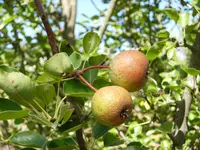
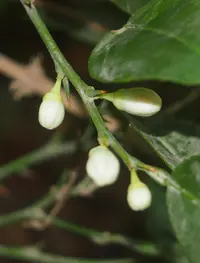
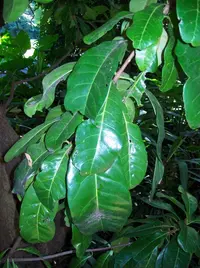
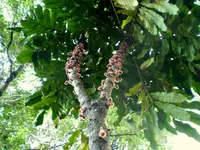
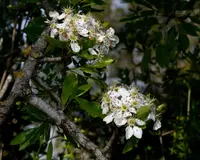
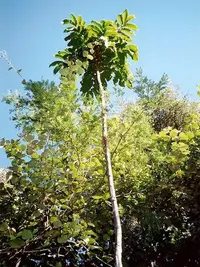
The Himalayan pear, Pyrus pashia, is a small to medium deciduous tree grown for its glossy foliage, white spring blossoms, and small, often astringent fruits. It has an upright, fairly open crown and tends to develop a sturdy main trunk with fine, twiggy branches.
This species is native to the Himalayan region and nearby mountain areas, where it grows on slopes and woodland edges. It is generally hardy and tolerant of cool to mild climates, which makes it relatively adaptable in cultivation.
For those learning how to care for Himalayan Pear, it usually prefers full sun, moderate moisture, and well-drained soil, but it copes with a range of garden conditions.

Care Difficulty
Moderate Care

Light Preference
Full Sun

Water Requirements
Moderate Water

Temperature Preference
Cold Hardy

Hardiness Zone
6–9

Soil Texture
Sandy, Loamy, Clay

Soil pH
Acidic (5.5–6.5), Slightly acidic (6.5–7.0)

Soil Drainage
Well-drained

Fertilization
Minimal (feed rarely)
Scan your plant to receive care tips personalized for your specific plant
Available on iOS and Android
This temperate fruit tree depends on strong outdoor light for healthy growth and reliable flowering.
This species prefers consistently moist but not saturated soil, especially during establishment and fruiting.
This hardy tree thrives in temperate climates with cool winters and warm summers.
This species handles a wide range of outdoor humidity and usually does not need special humidity management.
This tree prefers deep, well-aerated loam with reliable drainage for long-term health.
This species can be grown in containers for the first years, but it is better suited to eventual in-ground planting.
Pyrus pashia usually grows well in average soil but benefits from light, targeted feeding in cultivation.
Pruning supports a strong framework and healthy canopy in Pyrus pashia.
This Himalayan Pear is usually grown in the ground, so focus on careful transplanting of young trees.
Pyrus pashia is usually propagated professionally, but home growers can attempt seeds or hardwood cuttings with patience.
Mature Pyrus pashia trees are cold hardy in many temperate regions and usually need minimal winter care once established.

Plant Health Check
Not sure what's wrong with your plant? Check your plant's health inside the app.
In its native Himalayan range, the tree is widely browsed by livestock in winter, because its small leaves and young shoots remain available and palatable when many other broadleaf trees have shed usable foliage.
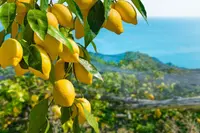
The fruits are small, very hard, and astringent when raw for humans, but birds and wild mammals feed on them and disperse the seeds, making this species an important component of mid-elevation forest food webs.
This pear naturally occurs from lower montane zones up to high-elevation slopes in the Himalayas, tolerating a wide range of temperatures and relatively poor, stony soils compared to most cultivated pear trees.

This wild pear is often used locally as a rootstock for grafting commercial pear cultivars, because its strong root system and environmental tolerance can improve the overall resilience and adaptability of grafted pear trees in challenging mountain conditions.
Growth is moderate. Young trees typically add 30–60 cm of height per year under good conditions, slowing as they mature. Seedlings and recently transplanted specimens often establish root systems first before showing strong top growth.
Keep your plants happy and healthy with plant identification, disease detection, and easy care guidance.