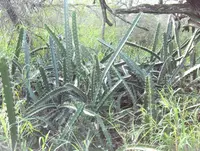
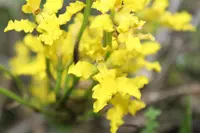
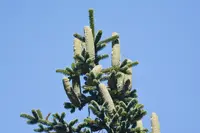
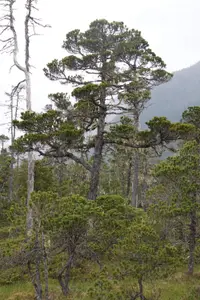
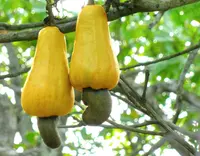
Lalaha Care (Planchonella obovata)

Also known as: Black ash, Yellow teak
Lalaha

About Lalaha

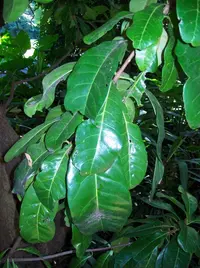
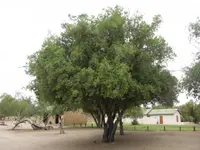
Lalaha, Planchonella obovata, is a tropical evergreen tree or large shrub from coastal forests and lowland habitats in the western Pacific region. It naturally occurs on islands such as New Caledonia and Vanuatu. The plant has dense, glossy, oval leaves and produces small, often inconspicuous flowers followed by fleshy fruits, giving it a compact, tidy look when grown young in containers. Growth is steady but not fast, which makes it easier to manage in limited space. It prefers warm temperatures, consistent moisture, and well-drained soil, so care for Lalaha usually focuses on stable indoor or greenhouse conditions.

Main Plant Requirements

Care Difficulty

Moderate Care

Light Preference

Partial Shade

Water Requirements

Moderate Water

Temperature Preference

Tropical / Frost Sensitive

Hardiness Zone

11–12

Soil Texture

Sandy, Loamy, Organic-rich

Soil pH

Acidic (5.5–6.5), Slightly acidic (6.5–7.0)

Soil Drainage

Well-drained

Fertilization

Minimal (feed rarely)

Get Personalized Care Plan

Scan your plant to receive care tips personalized for your specific plant

Available on iOS and Android

How to Care for the Lalaha

This evergreen shrub prefers bright, indirect light with some protection from harsh midday sun.

  • Provide 4–6 hours of filtered or dappled sun daily, such as morning sun and light afternoon shade, which suits Lalaha in many warm climates.
  • Allow partial shade, especially in hot regions; growth may slow in deep shade and foliage can become sparse or elongated.
  • Protect from intense afternoon sun that can scorch leaves; in summer, shift to slightly shadier exposure, and in winter maximize available light.

This species prefers evenly moist, well‑drained soil and reacts poorly to extremes of drought or saturation.

  • Water when the top 3–5 cm of soil feels dry, then irrigate deeply so moisture reaches the root zone without leaving standing water.
  • In warm growing seasons, expect faster drying and check soil more often; in cooler months, extend intervals as evaporation and growth slow.
  • Watch for overwatering signs such as yellowing, soft leaves and a sour soil smell, and underwatering signs like drooping, crisp leaf edges and shrinking soil.

This tropical species grows best in warm, stable conditions without frost exposure.

  • Aim for 65–85°F (18–29°C) for active growth; brief peaks to 90°F (32°C) are tolerated if soil moisture and airflow are good.
  • Avoid temperatures below 40°F (4°C); foliage damage often begins near this range, and freezing at 32°F (0°C) can kill young shoots or whole plants.
  • In cooler regions, position plants where they gain extra warmth and shelter from cold winds, and reduce stress during heatwaves with mulch and shade.

This species grows best in moderate to slightly humid air but usually tolerates typical indoor conditions.

  • Aim for 40–60% humidity, as drier air can slow growth but usually does not kill Lalaha.
  • Watch for crisp leaf edges and slowed new growth as signs of humidity stress, especially near heating or AC vents.
  • Increase humidity with a nearby humidifier or grouped plants rather than misting, which offers only brief surface moisture.

Planchonella obovata prefers slightly acidic, well‑drained, organically enriched soil that stays evenly moist but never waterlogged.

  • Use a loose mix such as 2 parts peat- or coco-based potting mix, 1 part compost, and 1 part perlite or coarse sand for drainage.
  • Aim for a pH around 6.0–6.5, avoiding strongly alkaline mixes that can limit nutrient availability and cause leaf yellowing.
  • Include chunky materials like fine bark or coarse perlite to improve aeration and prevent the dense root zone that encourages root rot.
  • Avoid heavy clay, compacted yard soil, or mixes that stay soggy for more than 24 hours after thorough watering.

This species adapts well to container growing when the pot supports a deep, gradually expanding root system.

  • Choose a container slightly deeper than wide to accommodate its strong taproot and prevent circling roots near the surface.
  • Select a heavy, stable pot material such as ceramic or thick plastic to reduce tipping as the woody stems gain height and weight.
  • Ensure multiple drainage holes and keep a clear gap under the pot so excess water escapes quickly instead of pooling at the base.

This species grows acceptably in modest soils, but targeted feeding supports stronger canopy and root development when growing Lalaha in containers or young landscapes.

  • Use a balanced slow-release fertilizer (around 10-10-10 or similar) or well-aged compost at the start of the growing season.
  • Feed container plants every 6–8 weeks in spring–summer; in-ground trees often need only 1 light application per year.
  • Apply at 1/2–3/4 the label rate for trees, keeping granules off the trunk and watering in thoroughly.
  • Reduce or stop fertilizing in autumn–winter to avoid forcing soft, cold-sensitive growth.

Planchonella obovata responds well to light structural pruning that maintains a stable, balanced crown.

  • Carry out pruning in late winter or early spring before strong new growth starts.
  • Remove dead, diseased, crossing, or inward-growing branches to improve airflow and light penetration.
  • Shorten or thin crowded outer shoots to control size and guide a single main leader if a tree form is desired.
  • Use sharp, clean bypass pruners or loppers, making smooth cuts just outside the branch collar.

This species is more often grown in the ground, but young or container plants may need occasional repotting or careful transplanting.

  • Check for roots circling the pot drainage holes, reduced vigor, or quick drying soil as signs a larger container or planting site is needed.
  • Plan transplanting or repotting for late spring to early summer, once frost risk has passed and soil is warming.
  • Move up 1–2 pot sizes or into a well-drained planting hole, keeping the root flare at soil level and backfilling firmly.
  • Minimize root stress by watering thoroughly before and after, shading for 1–2 weeks, and avoiding heavy pruning at the same time.

Planchonella obovata is usually propagated by seeds or semi-hardwood cuttings under warm, stable conditions.

  • Sow fresh seed in late spring–summer in a free-draining mix, barely covering and keeping at 70–80°F with steady moisture.
  • For cuttings, take semi-hardwood tips 10–15 cm long, remove lower leaves, and dip the base in a rooting hormone powder or gel.
  • Insert cuttings into a sterile, well-aerated medium, maintain high humidity, and provide bright, indirect light to encourage rooting.
  • Allow seedlings and rooted cuttings to develop strong root systems before potting up or planting out.

This warm-climate tree is frost-sensitive and benefits from thoughtful winter management in cooler regions.

  • In ground, use a 5–8 cm mulch layer around the root zone, keeping it slightly away from the trunk to limit rot.
  • Wrap young trunks with breathable tree wrap or horticultural fleece during cold snaps in marginal climates.
  • For container plants, move pots indoors or into a frost-free greenhouse when temperatures approach 35–40°F and provide bright light.

Care Tips

Canopy shaping

Pinch back only the soft, current-season tips once or twice a year to maintain a dense, rounded canopy and to prevent the plant from becoming leggy indoors.

Progressive pot sizing

Step up the container only 1–2 in wider at a time to encourage a strong, fibrous root system and reduce the risk of root rot from excess unused substrate volume.

Salt buildup management

Every 2–3 months, flush the pot thoroughly with clean, room‑temperature water until it drains freely to wash out accumulated fertilizer salts that can burn the roots.

Support for young stems

Use discreet stakes or a low hoop to support young, top-heavy branches after repotting or heavy pruning until new roots and wood have firmed up.

Preventive pest monitoring

Inspect the undersides of leaves and young stems weekly with a hand lens, and at the first sign of scale or mealybugs isolate the plant and treat with a targeted horticultural oil rather than waiting for a heavy infestation when caring for Lalaha.

Common Pests and Diseases

Scale insects

This pest feeds on sap along stems and leaf undersides, often appearing as small brown or tan bumps and causing yellowing and weakened growth. Honeydew and sooty mold may develop on leaves and nearby surfaces.

Solution

Physically remove scales by gently scraping with a fingernail or cotton swab, then wipe stems and leaves with a cloth lightly moistened with insecticidal soap or horticultural oil, repeating every 7–10 days until new growth is clean. Improve light and general plant vigor, and isolate heavily infested plants to prevent spread to other sapotaceae species when caring for Lalaha.

Mealybugs

These insects appear as white, cottony clusters along leaf nodes, stems, and roots, causing distorted new growth and sticky honeydew. Infestations can progress slowly but become persistent if not managed early.

Solution

Dab visible mealybugs with cotton swabs dipped in isopropyl alcohol (70%) and then wash the plant with lukewarm water and mild insecticidal soap. Repeat inspections weekly, treating any new clusters promptly and, for potted plants, consider repotting to remove mealybugs hiding in the root zone.

Sooty mold

This disease develops as a black, powdery coating on leaves and stems growing on the sugary honeydew left by sap-feeding insects such as scale or mealybugs. Symptoms include dull, blackened foliage that blocks light and reduces photosynthesis.

Solution

First control the underlying honeydew-producing insects, then gently wipe affected leaves with a damp cloth or rinse with a mild soapy water solution to remove the fungal layer. Ensure good air circulation and bright, indirect light so new foliage stays clean and healthy.

Leaf spot

This disease causes small brown to dark purple spots on leaves that may merge into larger blotches, sometimes with yellow halos. In humid or poorly ventilated conditions, affected leaves can yellow and drop prematurely.

Solution

Remove and discard affected leaves, then improve airflow and avoid wetting the foliage when watering. If spotting continues, apply a copper-based or broad-spectrum fungicide labeled for ornamental foliage plants, following label directions and spacing treatments 7–14 days apart.

Interesting Facts

Latex-rich sap

This species produces a milky white latex in its stems and leaves, typical of the family Sapotaceae, which helps seal wounds and deter some herbivores.

Coastal forest native

It naturally occurs in coastal forests and lowland tropical habitats across parts of Southeast Asia and the Pacific, where it often grows as an understory or edge tree in humid, warm climates.

Berry-like edible fruit

The plant forms small, berry-like fruits with sweet, edible pulp that are consumed locally in some of its native range, although they are not a major commercial crop.

FAQs about Lalaha

Growth is moderate. In warm, frost-free climates it can add about 15–30 cm per year once established. Container plants usually grow more slowly, especially if root-bound or underfed, but respond well to regular repotting and balanced fertilizer.

Grow Healthy Plants with Botan Care

Keep your plants happy and healthy with plant identification, disease detection, and easy care guidance.

Botan plant care app — identify plants on mobile

Explore More Plants