Root zone protection
Mulch the soil surface with a thin 2–3 cm layer of composted bark or wood chips, keeping it 3–5 cm away from the trunk, to keep roots cooler, reduce evaporation, and protect fine feeder roots during summer heat.

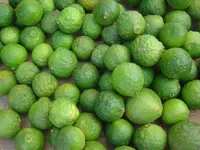
Thai Bai Makrut, Citrus hystrix, is a small tropical citrus tree valued for its fragrant leaves and bumpy, aromatic fruit. It is commonly grown in Southeast Asia and is now increasingly cultivated in warm regions and indoors in temperate climates.
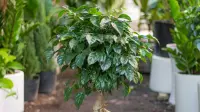
The tree has narrow, glossy green leaves with a distinctive double shape and a naturally bushy, upright habit. Its slow to moderate growth and tolerance of regular pruning make it suitable for containers.
Understanding how to care for Thai Bai Makrut starts with its need for good light, moderate moisture, and well-drained, slightly acidic soil. It is moderately easy to grow if protected from cold, drafts, and long periods of dryness.

Care Difficulty
Moderate Care

Light Preference
Full Sun

Water Requirements
Moderate Water

Temperature Preference
Tropical / Frost Sensitive

Hardiness Zone
9–11

Soil Texture
Sandy, Loamy, Organic-rich

Soil pH
Acidic (5.5–6.5), Slightly acidic (6.5–7.0)

Soil Drainage
Well-drained

Fertilization
Moderate (every 2–4 weeks)
Scan your plant to receive care tips personalized for your specific plant
Available on iOS and Android
Citrus hystrix needs strong light for dense foliage and flavorful leaves.
This citrus prefers evenly moist but never waterlogged soil.
Kaffir lime thrives in warm, frost-free conditions year-round.
This citrus prefers moderately humid air to keep foliage healthy and productive.
This species needs sharply drained, slightly acidic soil to avoid root problems and support steady growth.
This species is well suited to container cultivation when root space and drainage are managed carefully.
Citrus hystrix benefits from moderate, consistent feeding during the active growing season.
Pruning Citrus hystrix helps maintain a compact, productive canopy and healthy structure.
Container-grown Citrus hystrix needs thoughtful repotting to prevent root binding and growth decline.
New Citrus hystrix plants are most often produced from semi-hardwood cuttings, with seeds used less for true-to-type plants.
Citrus hystrix is frost-sensitive and needs active winter management in most temperate climates.

Plant Health Check
Not sure what's wrong with your plant? Check your plant's health inside the app.
The so‑called double leaf is actually two leaves joined along a shared midrib, which increases surface area for photosynthesis and makes the foliage highly aromatic and easy to recognize.
The leaf oil is rich in citronellal and related compounds, which give a sharp, complex aroma that differs chemically and sensorially from most sweet oranges and lemons.
Leaves and fruit rind are traditional ingredients in many Thai, Laotian, and Cambodian dishes, where they provide citrus fragrance without excessive sourness, and this culinary use has driven cultivation far beyond the species’ native range.

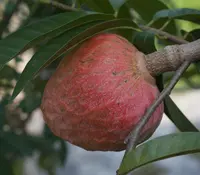
The bumpy, hourglass-shaped fruit of Citrus hystrix develops an unusually thick, aromatic rind while the juice vesicles inside remain sparse and often dry, so the fruit is valued far more for grated zest and essential oil extraction than for its juice.
Yellowing leaves usually result from overwatering, poor drainage, nutrient deficiency, or cold stress. Check that the pot drains freely, let the topsoil dry slightly between waterings, and apply a balanced citrus fertilizer according to label directions.
Keep your plants happy and healthy with plant identification, disease detection, and easy care guidance.