Indian Coral Tree Care (Erythrina variegata)

Also known as: tiger's claw, India coralbean, sunshine tree
Indian Coral Tree

About Indian Coral Tree

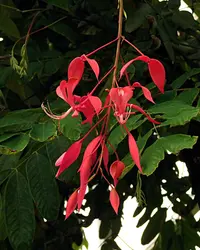
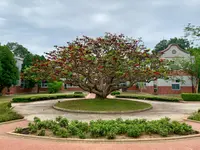
Indian coral tree, Erythrina variegata, is a fast-growing deciduous tree known for its bright red tubular flowers and often spiny branches. It develops a broad, spreading crown and can form a striking focal point in warm landscapes.

This species is native to tropical and subtropical regions of Asia and the Pacific, where it commonly grows in coastal areas and lowland forests. It is valued as a windbreak and shade tree in many agricultural systems.

The tree prefers full sun, warmth, and well-drained soil, and it tolerates short dry periods once established. These traits generally make it robust outdoors in frost-free climates, but care for Indian Coral Tree is more demanding in cooler or confined settings.

Main Plant Requirements

Care Difficulty

Moderate Care

Light Preference

Full Sun

Water Requirements

Moderate Water

Temperature Preference

Tropical / Frost Sensitive

Hardiness Zone

10–12

Soil Texture

Sandy, Loamy, Organic-rich

Soil pH

Slightly acidic (6.5–7.0), Neutral (7.0)

Soil Drainage

Well-drained

Fertilization

Minimal (feed rarely)

Get Personalized Care Plan

Scan your plant to receive care tips personalized for your specific plant

Available on iOS and Android

How to Care for the Indian Coral Tree

This sun-loving tree thrives in bright, open sites with strong light exposure.

  • Provide 6–8 hours of direct sun daily; full sun promotes dense branching and abundant flowering in Indian Coral Tree.
  • Tolerates light afternoon shade in hot climates, but too much shade causes leggy growth, sparse blooms, and weaker wood.
  • Site away from tall buildings or dense trees that cast long shadows, and review light levels seasonally as nearby plants mature.

This drought-tolerant tree prefers deep, infrequent watering once established.

  • Water only when the top 5–8 cm of soil is dry; use a trowel to feel below the surface rather than following a fixed schedule.
  • Ensure sharply drained soil; if water pools for more than 30 minutes after irrigation, improve drainage to prevent root rot in Erythrina variegata.
  • During hot, dry periods, increase watering depth instead of frequency; drooping leaves that recover overnight usually indicate temporary drought stress.

This tropical tree prefers warm climates and is not suited to areas with hard frost.

  • Optimal growth occurs around 70–90°F (21–32°C), with fastest shoot and leaf development in the upper part of this range.
  • Tolerates brief drops to about 30°F (-1°C) once mature, but young trees are damaged below 32°F (0°C) and all stages are highly frost-sensitive.
  • Handles heat up to 100°F (38°C) if soil moisture is adequate; mulch the root zone and avoid planting in reflective heat traps near walls or pavement.

Erythrina variegata handles a wide humidity range and usually does not need special humidity management.

  • Aim for 30–60% air humidity, similar to most heated or air‑conditioned homes.
  • Dry indoor air is generally tolerated if the plant is well watered and not root bound.
  • Humidity stress shows as curled, crisp leaf edges; increase local humidity only if paired with underwatering or heat stress.

Erythrina variegata prefers loose, well‑aerated, fast‑draining soil that prevents waterlogging around its vigorous roots.

  • Use a sandy or loamy mix with 40–50% coarse materials such as sharp sand, fine gravel, or perlite to keep pores open.
  • Incorporate 20–30% compost or well‑rotted manure to support rapid growth while still allowing excess water to drain freely.
  • Aim for slightly acidic to neutral pH around 6.0–7.0, avoiding strongly acidic or saline soils that restrict root function.
  • Avoid heavy clay or compacted ground; if native soil is dense, raise the planting area and blend in coarse mineral material for aeration.

This species can be grown in large containers for temporary or patio use when managed carefully for stability and drainage.

  • Choose a wide, heavy container so the top‑heavy canopy does not tip in strong winds.
  • Select a pot depth that allows a broad, spreading root system rather than a tall, narrow column that destabilizes the plant.
  • Use a coarse, gritty mix and elevate the pot on feet so drainage holes remain clear and excess water escapes quickly.

This tropical tree responds well to modest feeding in containers or poor soil but often needs little in rich ground.

  • Use a balanced NPK fertilizer or slow-release granules for container-grown Indian Coral Tree during active growth in spring–summer.
  • Feed every 4–6 weeks in the growing season; skip or greatly reduce in fall–winter when growth slows.
  • Apply at 1/2 strength for liquids, or follow label rates for slow-release products to avoid salt buildup.
  • Supplement with a thin layer of compost over the root zone once a year to support soil structure and microbial life.

Pruning Erythrina variegata keeps the canopy manageable and encourages strong flowering wood.

  • Carry out main pruning in late winter or very early spring before new growth starts.
  • Remove dead, diseased, storm-damaged, or crossing branches using clean, sharp bypass pruners or a pruning saw.
  • Thin crowded interior branches to improve light penetration and air flow, which supports healthier foliage and blooms.
  • Shorten long, whippy shoots to maintain size and structure, making sure to keep a balanced, open crown.

This species is usually grown in the ground, so focus on careful transplanting and only occasional repotting of young container plants.

  • Transplant in late spring when soil is warm and frost risk has passed to support rapid root re-establishment.
  • Look for roots circling the pot, slow growth, or the plant drying out quickly as signs that a container specimen needs a larger pot.
  • Move up 1–2 pot sizes, gently loosen circling roots, and plant in a well-drained, slightly sandy mix at the same depth.
  • Water thoroughly after transplanting, then keep soil evenly moist (not waterlogged) and shade the plant lightly for 1–2 weeks to limit stress.

Erythrina variegata is commonly propagated from semi-hardwood cuttings and seeds in warm conditions.

  • Take 15–30 cm semi-hardwood cuttings in late spring–summer, remove lower leaves, and let cut ends callus briefly.
  • Insert cuttings into a fast-draining mix, keep at 70–80°F with bright, indirect light, and maintain lightly moist conditions.
  • Sow fresh seeds in warm soil after scarifying the hard coat with a file or brief hot-water soak to speed germination.
  • Provide bottom warmth if possible, avoid waterlogging, and transplant seedlings or rooted cuttings only once roots are well developed.

In mild climates this tree tolerates light chill, but it is sensitive to hard frost and needs protection in colder regions.

  • In areas below about 25–30°F, treat as a tender tree and grow in containers or a very sheltered spot.
  • Mulch the root zone with 5–10 cm of organic material in late fall to buffer temperature swings.
  • For container plants, move indoors to a bright, cool, frost-free space and water sparingly during dormancy.
  • Where occasional frost occurs, allow top growth to die back if damaged, then prune cleanly in late winter.

Care Tips

Wind-resistant staking

Install 2–3 sturdy stakes outside the root zone and tie the trunk loosely with soft, wide ties in windy sites, then gradually reduce support over 2–3 years so the tree develops a strong, self-supporting trunk.

Root sucker management

Inspect the base and surrounding soil twice a year and cut off any root suckers flush with the soil surface to prevent unwanted thickets and to keep the tree’s energy focused on the main framework.

Controlled canopy shaping

After flowering, selectively shorten or remove crowded interior branches rather than just tipping the ends, which increases light and air into the canopy and reduces the risk of limb breakage under heavy bloom or wind.

Salt and coastal tolerance

In coastal gardens, hose down foliage with fresh water every few weeks during dry periods to remove salt deposits and reduce leaf scorch, especially on young trees establishing near the ocean.

Cold event preparation

Before a forecast frost, give the tree a deep watering and apply a 5–8 cm mulch layer over the root zone, then be prepared to cut back any frost-damaged wood in late spring once new growth clearly shows which branches are still alive when growing Indian Coral Tree.

Common Pests and Diseases

Erythrina gall wasp

This pest causes swollen, blister-like galls on young leaves, shoots, and sometimes flower stalks, leading to distorted growth and premature leaf drop.

Solution

Prune and destroy infested shoots before adults emerge, and avoid moving infested plant material to new areas. In home landscapes, focus on sanitation and improving tree vigor with proper watering and fertilization; in regions with heavy pressure, consult local extension services about approved systemic treatments or biological control releases where available.

Erythrina stem borer

This pest tunnels into stems and branches, causing wilting, dieback of shoots, frass (sawdust-like material), and sometimes branch breakage.

Solution

Inspect stems regularly and prune out and destroy affected branches well below visible tunneling, disinfecting tools between cuts. Keep the tree healthy with minimal stress and avoid wounding the trunk; where infestation is persistent, contact a certified arborist about targeted trunk or soil treatments timed to the borer life cycle.

Leaf-chewing caterpillars

These insects feed on foliage, creating ragged holes or stripping leaves, which can temporarily defoliate parts of the canopy.

Solution

Hand-pick caterpillars from reachable branches and prune heavily infested twigs for small trees or young plants. For larger trees or repeated outbreaks, use a biological product containing Bacillus thuringiensis (Bt) applied to young foliage in the evening, following label directions and avoiding spray drift to non-target plants.

Powdery mildew

This disease produces white, powdery fungal growth on leaves and young shoots, sometimes leading to yellowing and premature leaf drop in humid but not overly wet conditions.

Solution

Improve air circulation by thinning crowded branches and avoid overhead irrigation that wets foliage late in the day. Remove heavily infected leaves and, if the problem recurs, apply a labeled sulfur or potassium bicarbonate fungicide to young leaves, following label safety guidelines.

Bacterial leaf spot

Symptoms include small, water-soaked spots on leaves that turn brown with yellow halos, occasionally causing leaf distortion and drop on stressed trees.

Solution

Remove and discard infected leaves from the tree and ground to reduce bacterial spread, and avoid overhead watering that splashes water between leaves. Sterilize pruning tools between cuts, reduce crowding around the canopy, and if the disease is persistent, seek local guidance on copper-based sprays appropriate for ornamental trees as part of broader Erythrina variegata care.

Interesting Facts

Coastal windbreaker tree

This species is widely planted along tropical coasts as a living windbreak because its branching pattern and dense crown slow strong sea winds and help protect crops and buildings behind it.

Nitrogen-fixing legume

As a legume, it forms root nodules with symbiotic bacteria that fix atmospheric nitrogen, which improves soil fertility and makes it a useful support and shade tree in agroforestry systems such as coffee and cacao plantations.

Coral-like flower structure

The bright red flowers have a distinctive coral-shaped arrangement with a single, enlarged standard petal that attracts birds, especially sunbirds and other nectar feeders, which act as primary pollinators.

Botan icon

Did you know?

In many parts of South and Southeast Asia, this tree is traditionally planted as a marker or boundary tree around temples, village edges, and burial grounds, giving it a long-standing cultural role as a living landmark and ceremonial tree.

FAQs about Indian Coral Tree

Lack of flowering usually comes from insufficient maturity, too much nitrogen fertilizer, heavy pruning at the wrong time, or lack of a dry, cool rest period. Older wood typically produces the most flowers once growth is established.

Grow Healthy Plants with Botan Care

Keep your plants happy and healthy with plant identification, disease detection, and easy care guidance.

Botan plant care app — identify plants on mobile

Explore More Plants