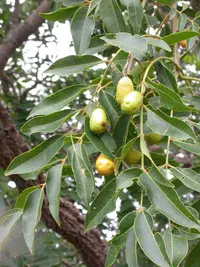
large-leaved dragon tree Care (Dracaena aletriformis)

Also known as: Largeleaf Dragontree
large-leaved dragon tree

About large-leaved dragon tree

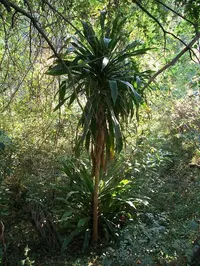
The large-leaved dragon tree, Dracaena aletriformis, is a woody, evergreen shrub or small tree grown mainly as a foliage houseplant. It forms upright canes topped with rosettes of long, broad, glossy green leaves that give it a bold, architectural look indoors.

This species is native to coastal and forested regions of southern Africa, where it grows in warm, sheltered, partially shaded habitats. It is generally considered a durable plant, but its large leaves mark stress quickly if light, moisture, or temperature are unsuitable, so understanding how to care for large-leaved dragon tree helps keep it attractive.

It typically prefers bright, indirect light, moderate and even moisture, and a free-draining potting mix that does not stay waterlogged for long periods.

Main Plant Requirements

Care Difficulty

Moderate Care

Light Preference

Bright Indirect Light

Water Requirements

Moderate Water

Temperature Preference

Tropical / Frost Sensitive

Hardiness Zone

10–11

Soil Texture

Loamy, Sandy, Organic-rich

Soil pH

Acidic (5.5–6.5), Slightly acidic (6.5–7.0)

Soil Drainage

Well-drained

Fertilization

Light (every 4–6 weeks)

Get Personalized Care Plan

Scan your plant to receive care tips personalized for your specific plant

Available on iOS and Android

How to Care for the large-leaved dragon tree

Dracaena aletriformis prefers bright, filtered light that mimics understory woodland conditions.

  • Provide 4–6 hours of bright, indirect light daily, such as dappled shade under taller plants or light behind a sheer curtain indoors for large-leaved dragon tree.
  • Tolerates partial shade, but in very low light growth becomes sparse and leaves may lose vigor; move gradually to a brighter spot if stems stretch or leaf drop increases.
  • Protect from harsh midday and afternoon sun, especially in summer, as direct exposure can cause brown, scorched patches; morning sun for 1–3 hours is usually safe.

Watering for Dracaena aletriformis should aim for steady, moderate moisture without saturation.

  • Let the top 3–5 cm of soil dry before watering again; check with a finger or moisture meter rather than following a fixed schedule.
  • Use a free-draining mix and containers or beds with good drainage; yellowing, soft leaves and a sour smell indicate overwatering and possible root rot.
  • In spring and summer, soil will dry faster and need more frequent checks; in cooler months, extend intervals and watch for curling or crisp leaf tips as a sign of underwatering.

This species prefers warm, stable conditions without sudden temperature swings.

  • Aim for 65–80°F (18–27°C) for active growth; growth slows below 60°F (16°C) but short dips are usually tolerated if soil is not waterlogged.
  • Avoid exposing the plant to temperatures below 45°F (7°C); light frost can damage foliage and repeated cold stress may kill young growing points.
  • In hot weather above 86°F (30°C), provide shade and good air movement, and avoid heat-radiating surfaces, as extreme heat combined with intense sun can scorch leaves.

This species handles typical indoor humidity but benefits from slightly moist air.

  • Aim for 40–60% humidity, as very dry air can crisp leaf tips on the large-leaved dragon tree.
  • Brown, curling leaf edges and slowed growth may indicate air that is too dry for sustained health.
  • Increase humidity by grouping plants, placing the pot on a pebble tray with water, or using a small room humidifier.

Dracaena aletriformis prefers a loose, well-aerated mix that drains rapidly yet holds some moisture.

  • Use a base of peat or coco coir with 20–30% perlite and/or fine bark to keep the mix airy.
  • A slightly acidic to neutral pH around 6.0–7.0 supports nutrient availability without causing leaf tip burn.
  • Ensure water flows freely from the drainage holes and the mix dries in the top 3–4 cm before watering again.
  • Avoid heavy garden soil, unamended clay, or mixes that stay wet for days, which increase risk of root rot.

This species is well suited to container growing for both indoor and sheltered outdoor settings.

  • Choose a pot that is deeper than it is wide to accommodate the vertical root system and support upright stems.
  • Select a heavier material, such as ceramic, to stabilize tall, top-heavy growth against tipping in light winds or minor bumps.
  • Use a container with multiple drainage holes so water exits quickly, preventing a waterlogged zone at the pot base.

Dracaena aletriformis benefits from modest, controlled feeding rather than heavy fertilization.

  • Use a balanced liquid NPK fertilizer at 1/4–1/2 strength every 4–6 weeks during spring and summer.
  • Alternatively, apply a slow-release granular fertilizer once at the start of the growing season.
  • Pause feeding in winter, when growth slows, to avoid salt buildup and weak, leggy growth.
  • Flush the pot with plain water a few times per year to remove accumulated fertilizer salts that can burn roots.

Pruning Dracaena aletriformis helps maintain height, shape, and leaf quality in indoor and landscape settings.

  • Carry out most pruning in late winter or early spring before vigorous new growth starts.
  • Remove dead, yellowing, or damaged leaves and any crossing or crowded stems to improve airflow and appearance.
  • Shorten overly tall canes just above a node to encourage branching and a fuller crown.
  • Use clean, sharp pruners and make smooth cuts to reduce infection risk and speed healing.

Container-grown plants and young specimens benefit from occasional repotting or transplanting to maintain healthy roots.

  • Plan to repot every 2–3 years, or when roots emerge from drainage holes or circle tightly inside the pot.
  • Choose late spring or early summer, when active growth helps the plant recover from root disturbance.
  • Move into a pot 2–5 cm wider with fresh, free-draining mix, keeping the root ball at the same soil level.
  • Water thoroughly after repotting, then keep slightly drier for 1–2 weeks to limit rot while new roots establish.

New Dracaena aletriformis plants are most commonly produced from stem cuttings taken from healthy, mature canes.

  • Take 8–15 cm stem sections in late spring or early summer, cutting just below a node with sterile pruners.
  • Allow cut ends to dry for a few hours, then insert upright into a moist, free-draining medium such as perlite and peat.
  • Maintain warm temperatures around 70–80°F, bright indirect light, and high humidity to encourage rooting.
  • After firm roots form and new shoots appear, pot each cutting into standard houseplant mix and resume light feeding.

This large-leaved dragon tree is frost sensitive and needs mild, protected conditions during winter in cool climates.

  • In ground, grow in climates where winter temperatures stay above 40°F, or provide greenhouse or sunroom shelter.
  • Mulch the root zone with 5–8 cm of bark or compost to buffer temperature swings and conserve soil moisture.
  • For container plants, move indoors before nights drop below 45°F and place in bright, indirect light.
  • Reduce watering in winter, keeping the mix barely moist to limit root rot in cool, low-light conditions.

Care Tips

Rotate For Symmetry

Turn the pot 90° every 2–3 weeks to prevent the cane from leaning toward the light and to keep the leaf rosette balanced and evenly filled.

Stabilize Tall Canes

Once stems reach 60–80 cm, insert a slim stake close to the cane and secure it loosely with soft ties to reduce the risk of toppling or snapping at the base.

Encourage Bushier Tops

If the plant becomes too tall with foliage only at the top, cut the main cane back by 10–20 cm in spring and dust the cut with powdered sulfur or cinnamon to reduce infection risk and stimulate new side shoots below the cut.

Gradual Light Transitions

When moving the plant between locations with different light levels, shift it in stages over 7–10 days to avoid leaf scorch or sudden leaf drop from light shock.

Proactive Pest Check

Inspect leaf undersides and the leaf axils where leaves join the stem every 1–2 weeks, so any early mealybug or scale infestation is caught and treated before it spreads when growing large-leaved dragon tree.

Common Pests and Diseases

Soft scale

This pest forms small, dome-shaped bumps on stems and leaf midribs and feeds on plant sap, often leading to sticky honeydew and sooty mold. Symptoms include yellowing leaves, stunted growth, and decline in vigor, especially on older canes.

Solution

Wipe stems and leaf midribs with a cotton pad dipped in diluted isopropyl alcohol, then rinse gently with lukewarm water. For heavier infestations, repeat mechanical removal weekly and apply a light horticultural oil spray, ensuring good coverage on stems and leaf bases while keeping the plant in bright, indirect light during treatment.

Mealybugs

These insects appear as white, cottony clusters tucked into leaf bases and along young stems where they suck sap, weakening shoots. Symptoms include distorted new growth, sticky honeydew, and leaf yellowing, particularly in crowded indoor groupings.

Solution

Isolate the plant, then dab visible mealybugs with cotton swabs dipped in 70% isopropyl alcohol and rinse foliage after treatment. Follow with 1–2 applications of insecticidal soap or a light oil spray at 7–10 day intervals, focusing on leaf axils and undersides, and reduce excess nitrogen fertilization that promotes soft, susceptible growth.

Spider mites

These insects form fine webbing on the undersides of the long leaves, especially in warm, dry rooms, and cause a speckled or dusty appearance. Symptoms include tiny pale stippling, dull leaf color, and gradual leaf drop from lower parts of the plant.

Solution

Increase humidity around the plant and hose or shower the foliage thoroughly, focusing on leaf undersides to physically remove mites. Follow with insecticidal soap sprays every 5–7 days for several cycles, and avoid placing the plant directly near heating vents that create very dry air.

Leaf spot

This disease produces tan to dark brown spots, often with yellow halos, on the broad strap-like leaves, starting on older foliage or where water has sat on the surface. Symptoms include gradual merging of spots, premature leaf yellowing, and an overall untidy appearance of the rosette.

Solution

Remove and discard affected leaves or leaf portions, cutting back to healthy tissue with a clean tool, and avoid wetting foliage when watering. Improve air circulation, reduce crowding, and if spots continue to spread, apply a labeled copper or broad-spectrum fungicide lightly to foliage, following product directions and allowing leaves to dry quickly.

Fluoride toxicity

This disorder is common in dracaena species irrigated with fluoridated tap water, causing brown tips and margins on otherwise green leaves and a scorched appearance over time. Symptoms include progressive tip dieback and banding, often starting on older leaves even when watering frequency is correct.

Solution

Switch to rainwater, distilled, or reverse-osmosis water and leach the pot thoroughly by running ample clean water through the substrate to flush accumulated salts. Trim off dead tips with clean scissors, reducing fertilization strength by half and avoiding superphosphate fertilizers that contribute additional fluoride, which is central to Dracaena aletriformis care problems indoors.

Interesting Facts

Forest understorey specialist

This species naturally grows in the shaded understorey of South African coastal and montane forests, where it receives filtered light beneath taller trees and shrubs.

Distinctive leaf dimorphism

Young plants form dense rosettes of broad, arching leaves close to the ground, while older plants gradually develop a woody stem with leaves held higher, a growth shift known as leaf dimorphism.

Fruit for forest birds

In its native range, the fleshy, colorful berries are eaten by birds, which disperse the seeds through their droppings and help maintain populations across fragmented forest patches.

FAQs about large-leaved dragon tree

Brown tips usually come from low humidity, fluoride or salt buildup in tap water, or light overfertilizing. Use filtered water, flush the pot occasionally, trim damaged tips, and maintain stable indoor conditions to prevent further damage.

Grow Healthy Plants with Botan Care

Keep your plants happy and healthy with plant identification, disease detection, and easy care guidance.

Botan plant care app — identify plants on mobile

Explore More Plants