Spathiphyllum wendlandii Care

Spathiphyllum wendlandii

About Spathiphyllum wendlandii

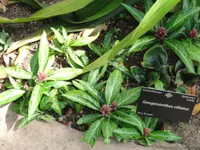
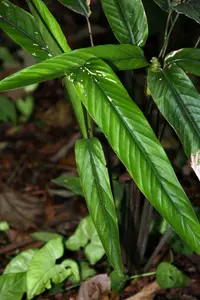
Spathiphyllum wendlandii is a tropical evergreen houseplant in the Araceae family, related to the common peace lily. It forms a dense clump of arching, lance-shaped leaves with a textured, pleated surface and a deep green color.

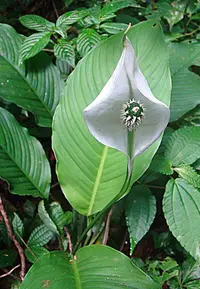
Native to the humid understory of Central American forests, it is adapted to shaded conditions and steady moisture. The plant produces elongated white spathes that sit just above the foliage, but is mainly grown for its leaves.

Its tolerance of lower light, moderate growth rate, and stable habit make it suitable for most indoor spaces. Understanding how to care for Spathiphyllum wendlandii focuses on providing consistent moisture, gentle light, and a well-draining, airy potting mix.

Main Plant Requirements

Care Difficulty

Moderate Care

Light Preference

Bright Indirect Light

Water Requirements

Keep Soil Moist

Temperature Preference

Tropical / Frost Sensitive

Hardiness Zone

11–12

Soil Texture

Loamy, Peaty, Organic-rich

Soil pH

Acidic (5.5–6.5), Slightly acidic (6.5–7.0)

Soil Drainage

Moist but well-drained

Fertilization

Light (every 4–6 weeks)

Get Personalized Care Plan

Scan your plant to receive care tips personalized for your specific plant

Available on iOS and Android

How to Care for the Spathiphyllum wendlandii

This shade-loving aroid prefers soft, filtered light that mimics a forest understory.

  • Provide bright, indirect light for 6–8 hours daily, such as near an east- or north-facing window with sheer curtains or under light tree canopy outdoors.
  • Tolerates partial to deep shade, but in very low light new leaves may be smaller, darker, and flowering may stop for Spathiphyllum wendlandii.
  • Avoid direct midday or strong afternoon sun, which can cause yellow or bleached patches; increase distance from windows in summer or add sheer screening.

This plant prefers evenly moist, but not saturated, soil around its fibrous roots.

  • Water when the top 2–3 cm of soil feels dry, using enough water to moisten the root zone, then let excess drain freely from the pot or bed.
  • In spring and summer, expect to water more often as growth and evaporation increase; in fall and winter, extend intervals as growth slows.
  • Mild underwatering shows as brief leaf droop that recovers after watering, while overwatering causes yellowing leaves, limp petioles, and sour-smelling, soggy soil.

This tropical species prefers consistently warm, stable temperatures without sudden swings.

  • Aim for 65–80°F (18–27°C) for best growth, matching typical warm-room conditions or a sheltered, shaded outdoor spot in mild climates.
  • Protect from cold; growth slows below 60°F (16°C), and damage occurs if exposed to below 50°F (10°C), with any frost likely to kill foliage.
  • In heat above 85°F (29°C), increase shade and airflow, and monitor soil moisture more closely to prevent stress from combined heat and dryness.

This species benefits from moderately high humidity for stable leaf health.

  • Aim for 50–70% humidity; it tolerates brief dips lower but sustained very dry air leads to stress.
  • Crisping tips, dull leaves, and stalled growth indicate humidity is too low for Spathiphyllum wendlandii.
  • Group plants, use a room humidifier, or place the pot on a pebble tray above water to raise humidity.

This plant prefers loose, organic-rich, evenly moist but well-drained soil.

  • Use a peat- or coco-based mix with added compost, perlite, and fine bark to create a light, crumbly structure.
  • Ensure drainage is fast enough that water drains within seconds while the mix still holds slight, even moisture.
  • Aim for slightly acidic to neutral pH around 6.0–7.0, which supports nutrient availability and root health.
  • Avoid heavy garden soil, compacted mixes, or pots that stay soggy, since they reduce aeration and promote root rot.

This species grows very well in containers when pot choice supports its moist, but not waterlogged, root conditions.

  • Choose a pot just 2–5 cm wider than the root ball so roots fill the space evenly and moisture distribution stays consistent.
  • Select sturdy, heavier containers if foliage becomes wide and arching, to reduce the risk of the pot tipping over.
  • Use breathable materials like unglazed terracotta when the environment is humid, since they allow faster evaporation from the root zone.

Nutrient inputs help Spathiphyllum wendlandii maintain steady foliage growth and flowering in containers.

  • Use a balanced liquid fertilizer (for example 10-10-10 or 20-20-20) diluted to 1/4–1/2 strength for indoor plants.
  • Feed every 4–6 weeks during the active growing season in spring and summer only.
  • Skip or reduce feeding in fall and winter when growth slows and light is lower.
  • Occasionally top-dress with a thin layer of fine compost or use a mild slow-release fertilizer for more consistent nutrition.

Light pruning keeps Spathiphyllum wendlandii tidy and directs energy to healthy leaves and flowers.

  • Carry out most pruning in spring or early summer when growth is active.
  • Remove yellowing, dead, or damaged leaves at the base using clean, sharp scissors or pruners.
  • Cut spent flower stalks down at soil level to encourage new blooms and fresher foliage.
  • Thin crowded inner leaves slightly if needed to improve air movement and overall plant shape.

Container-grown Spathiphyllum wendlandii benefits from periodic repotting to prevent root binding and refresh the substrate.

  • Check for roots circling the pot, pushing through drainage holes, or slowed growth as signs it needs a larger container.
  • Plan to repot every 2–3 years in spring, moving up only 2–5 cm in pot diameter each time.
  • Gently loosen outer roots, trim dead or mushy sections, and plant into fresh, well-drained, peaty mix.
  • Water thoroughly after repotting, then keep in bright, indirect light and slightly higher humidity for 1–2 weeks to reduce stress.

Division is the standard method for Spathiphyllum wendlandii plant care when increasing plant numbers.

  • Divide mature clumps in spring or early summer when temperatures are stable and growth is active.
  • Remove the plant from its pot, then separate natural offsets, keeping several healthy leaves and roots on each section.
  • Plant divisions into small pots filled with moist, airy potting mix with good drainage.
  • Maintain warm conditions (68–80°F), high humidity, and consistently lightly moist soil until roots re-establish.

This tropical species is frost-sensitive and needs indoor conditions in regions with cold winters.

  • For outdoor containers, move plants indoors before temperatures drop below 55°F.
  • Keep winter indoor temperatures around 65–75°F, away from cold drafts and heating vents.
  • Reduce watering frequency in low light but do not allow the root ball to dry completely.
  • Maintain moderate humidity (40–60%) using pebble trays or a room humidifier if indoor air is very dry.

Care Tips

Rotate for symmetry

Turn the pot 90° every 2–3 weeks so the rosette stays balanced and the arching leaves do not lean heavily to one side toward the light source.

Support heavy foliage

If outer leaves begin to splay or collapse from their own weight, use low, discrete ring stakes or a short moss pole at the center to keep the clump upright without tying leaves tightly.

Refresh compacted mix

Every 12–18 months, gently slide the root ball out, loosen the top 2–3 cm of compacted mix with a chopstick or blunt stick, and top up with fresh airy substrate to restore oxygen around surface roots.

Controlled clump division

When the plant forms multiple crowns, divide only the well-rooted outer offsets and leave a strong central clump so each new division has at least 3–4 healthy leaves and a solid root mass.

Prevent fungal spotting

During cooler months, water in the morning and avoid splashing the leaves, then run a small fan on low in the room for 30–60 minutes to reduce leaf wetness that can lead to fungal spots when growing Spathiphyllum wendlandii.

Common Pests and Diseases

Mealybugs

This pest feeds on leaf and stem sap, often hiding in the leaf bases and along the midrib, causing yellowing and weakened growth.

Solution

Remove visible insects with a cotton swab dipped in 70% isopropyl alcohol, then wash foliage with lukewarm soapy water and repeat weekly until clear; for heavier infestations, apply a neem oil spray to all leaf surfaces and leaf axils while isolating the plant from others.

Spider mites

These insects thrive in warm, dry indoor air and cause stippled, dull leaves with fine webbing, especially on the undersides of the long, narrow foliage.

Solution

Rinse both sides of the leaves thoroughly under a gentle shower or sink spray, then increase humidity around the plant and use a horticultural soap or neem oil spray every 7–10 days until new growth appears clean.

Scale insects

This pest appears as small, brown or tan bumps on stems and leaf midribs, sucking sap and leading to yellowing, sticky honeydew, and sooty mold growth.

Solution

Gently scrape or rub off adults with a fingernail or cloth, then treat remaining juveniles with repeated applications of insecticidal soap or neem oil, ensuring thorough coverage of stems and leaf midribs while monitoring weekly for reinfestation.

Bacterial leaf spot

This disease causes water-soaked, translucent spots that turn brown and sometimes have yellow halos, often starting where water sits on leaves or in crowded clumps.

Solution

Remove and discard affected leaves, avoid overhead watering, keep foliage dry, and improve spacing and air movement; in persistent cases, reduce watering frequency and consider using a copper-based bactericide according to label directions as part of broader Spathiphyllum wendlandii care instructions.

Fusarium crown rot

Symptoms include sudden wilting, yellowing from the base, and browning at the crown where leaves meet the soil, often linked to chronically wet, compacted mix and contaminated tools or pots.

Solution

Discard severely affected plants, as recovery is rare; for mild early cases, remove the most damaged outer leaves, repot into fresh, well-draining mix in a clean pot, reduce watering, and sterilize tools and old containers with a 10% bleach solution to prevent spread to other peace lilies.

Interesting Facts

Distinctive pleated foliage

This species forms a dense rosette of long, pleated, lance-shaped leaves that can reach 40–60 cm, giving it a fountain-like appearance very different from the broader leaves of common peace lilies.

Central rosette flowering

Instead of sending up multiple separate flower stalks like many other peace lilies, this plant often produces its inflorescences from the central rosette, with the white spadix surrounded by a narrow, often slightly hooded spathe.

Natural understory specialist

In its native Central American range, this plant grows on the shady rainforest floor along streams and in moist lowland forests, adapted to filtered light, consistently warm temperatures, and high humidity.

FAQs about Spathiphyllum wendlandii

Lack of blooms usually relates to insufficient light, old or exhausted potting mix, or a plant that is rootbound. Lightly refresh the soil, ensure moderate indirect light, and avoid heavy fertilizing in low light, which encourages foliage over flowers.

Grow Healthy Plants with Botan Care

Keep your plants happy and healthy with plant identification, disease detection, and easy care guidance.

Botan plant care app — identify plants on mobile

Explore More Plants