olosapo Care (Couepia polyandra)

Also known as: zapote amarillo, baboon cap, monkey cap
olosapo

About olosapo

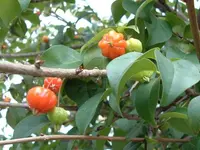
Olosapo, Couepia polyandra, is a tropical fruit tree from Central America, especially Mexico and surrounding regions. It belongs to the chrysobalan family and is grown mainly for its edible yellow fruit.

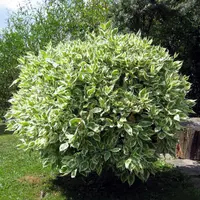
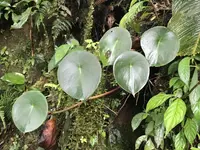
The tree has a dense, rounded canopy with simple green leaves and can become quite tall in suitable climates. Its fruit has a starchy, sweet pulp that is eaten fresh or used locally.

This species prefers warm, frost-free conditions, with consistent moisture and well-drained soil. It is not suited to cold or compacted sites.

Gardeners who care for olosapo should note that it can be slow to establish and tends to perform best in full sun and sheltered, humid locations.

Main Plant Requirements

Care Difficulty

Moderate Care

Light Preference

Full Sun

Water Requirements

Regular Water

Temperature Preference

Tropical / Frost Sensitive

Hardiness Zone

11–12

Soil Texture

Sandy, Loamy, Organic-rich

Soil pH

Acidic (5.5–6.5), Slightly acidic (6.5–7.0)

Soil Drainage

Moist but well-drained

Fertilization

Minimal (feed rarely)

Get Personalized Care Plan

Scan your plant to receive care tips personalized for your specific plant

Available on iOS and Android

How to Care for the olosapo

This tropical fruit tree needs strong light and warmth to flower and fruit well.

  • Provide 6–8 hours of direct sun daily, ideally full morning sun with some light afternoon shade in very hot climates.
  • Young olosapo trees cope better with filtered light or 30–40% shade cloth during their first 1–2 years to reduce leaf scorch.
  • In subtropical areas, choose an open, unshaded site; in cooler regions, maximize south-facing exposure and avoid deep shade, which reduces bloom and fruit set.

This species prefers evenly moist, well-drained soil rather than frequent shallow watering.

  • Allow the top 3–5 cm of soil to dry before deep watering, using soil feel instead of a fixed calendar schedule.
  • In warm, active growth periods, increase watering when leaves feel slightly limp or new growth slows, but avoid standing water or a sour smell, which indicate poor drainage and overwatering.
  • During cooler or rainy seasons, reduce frequency, watching for yellowing, soft leaves as a sign of excess moisture and crisp, curling leaves as a sign of drought stress in Couepia polyandra.

This lowland tropical tree thrives in consistently warm, frost-free conditions.

  • Aim for 70–90°F (21–32°C) for best growth, with stable warmth during the flowering and fruiting period.
  • It is very sensitive to cold; growth stalls below about 60°F (16°C) and damage may occur below 40°F (4°C), especially on young shoots.
  • Avoid frost, freezing temperatures, and hot, dry winds; short heat waves up to about 95°F (35°C) are tolerated if soil moisture is maintained and roots are mulched.

This tropical fruit tree benefits from moderately high, stable humidity.

  • Aim for 50–70% humidity, as olosapo foliage prefers moist air without being overly damp.
  • Leaf-edge browning, curling, and slow new growth indicate air that is too dry for sustained vigor.
  • Increase humidity with nearby water trays, grouped plants, or a humidifier, while keeping air movement gentle to prevent fungal issues.

This species prefers a deep, well-drained, slightly acidic to neutral substrate with steady moisture retention.

  • Use a loamy, sandy mix with 40–50% inorganic material such as coarse sand and perlite to prevent waterlogging around the root zone.
  • Incorporate 30–40% mature compost or well-rotted manure to supply organic matter that improves water-holding capacity and nutrient availability.
  • Aim for pH 6.0–7.0; amend alkaline soils with elemental sulfur or acidic compost to support Couepia polyandra nutrient uptake.
  • Avoid heavy clay, compacted sites, or constantly saturated ground, which promote root rot and restrict oxygen around fine feeder roots.

This tree can be grown in large containers for several years, mainly in warm climates or protected spaces.

  • Choose a deep, heavy pot that resists tipping as the crown enlarges and roots extend downward.
  • Select a breathable material such as unglazed clay to allow moisture to evaporate more evenly from the root zone.
  • Elevate the container on feet or blocks so drainage holes stay clear and excess water can exit quickly after irrigation.

Couepia polyandra benefits from modest, well-timed feeding in cultivation, especially when grown in poorer soils.

  • Use a balanced slow-release fertilizer (e.g., 10-10-10) or well-rotted compost at the start of the warm growing season.
  • Apply fertilizer 1–2 times per growing season, adjusting rates based on soil fertility and tree vigor.
  • Use about half the label rate for young or container-grown trees to avoid root burn and excessive leafy growth.
  • Stop feeding in late summer to early fall so growth hardens before cooler weather; mature olosapo on fertile soils may need little added nutrition.

Couepia polyandra responds well to light structural pruning to maintain a healthy canopy and safe shape.

  • Plan main pruning for late dry season or late winter, before vigorous new growth starts.
  • Remove dead, diseased, crossing, or storm-damaged branches first using clean, sharp bypass pruners or a pruning saw.
  • Thin crowded interior shoots to improve light and airflow, reducing fungal problems and encouraging balanced branching.
  • Limit height and spread by shortening long, outward shoots rather than making large heading cuts that create weak regrowth.

This species is usually grown in the ground, so care focuses on careful transplanting of young Couepia polyandra trees.

  • Transplant in warm, mild weather, avoiding extreme heat or cold to limit shock and water loss.
  • Choose a sunny, well-drained site; dig a hole 2–3× wider than the root ball but no deeper.
  • Transplant when roots circle the container or growth slows despite adequate water, usually every 1–2 years while young.
  • Keep the original soil level at the same height, backfill gently, water thoroughly, then maintain even moisture and light mulch to reduce root stress.

Propagation of Couepia polyandra is usually done from seed and requires patience and warm conditions.

  • Collect fully ripe fruits, clean seeds, and sow them fresh for best viability.
  • Sow seeds in a deep, well-drained, slightly sandy mix; keep at 75–85°F with consistently moist, not waterlogged, substrate.
  • Provide bright, indirect light and good air circulation; germination may be slow and uneven.
  • Allow seedlings to develop several true leaves before potting up individually, handling roots gently to avoid damage.

As a tropical tree, Couepia polyandra is frost-sensitive and needs protection in regions with cool winters.

  • In areas below about 40°F, grow in a large container so the plant can be moved indoors or to a heated greenhouse.
  • Before the first frost, shift container plants to a bright, frost-free space and reduce watering slightly.
  • For in-ground trees in marginal climates, mulch the root zone with 5–10 cm of organic material to buffer soil temperature.

Care Tips

Deep root training

During the first 2–3 years, water less often but in higher volume to encourage deep rooting, which improves drought tolerance and fruit yield stability.

Windward side protection

In exposed sites, install a permeable windbreak on the prevailing-wind side so young trees establish straighter trunks and retain more flowers and developing fruit.

Calcium and boron checks

Before flowering, use a soil or leaf analysis to verify adequate calcium and boron levels, which helps reduce premature fruit drop and improves fruit quality.

Mulch management ring

Maintain a 5–10 cm deep organic mulch ring that stops 10–15 cm short of the trunk to suppress weeds, stabilize soil moisture, and reduce trunk rot risk.

Sanitary fruit handling

Remove fallen or damaged fruit weekly and dispose of it away from the planting area to lower pressure from fruit-boring insects and fungal pathogens when growing olosapo.

Common Pests and Diseases

Fruit-boring caterpillars

This pest tunnels into developing fruits, causing premature fruit drop, internal decay, and small entry holes with frass (insect droppings). Damage reduces edible yield and can introduce secondary rots.

Solution

Collect and destroy infested fruits, prune and dispose of any mummified fruit, and encourage natural predators by maintaining plant diversity nearby. Where damage is persistent, use fruit bagging on young fruits or apply targeted Bacillus thuringiensis (Bt) sprays to young caterpillars, following label directions and avoiding applications during peak pollinator activity.

Scale insects

These insects attach firmly to young stems and leaf undersides, sucking sap and causing yellowing, reduced growth, and sticky honeydew that can lead to sooty mold on leaves and fruit. Heavy infestations may weaken young trees and reduce flowering and fruiting.

Solution

Scrape or wipe off light infestations with a soft cloth or brush and prune heavily infested twigs. For ongoing problems, use horticultural oil sprays to smother nymphs and adults, applying thoroughly to stems and leaf undersides and repeating as needed according to product instructions.

Anthracnose

This disease causes small, dark, sunken lesions on leaves, young shoots, and sometimes fruits, which may coalesce and lead to distorted or prematurely dropped foliage. Symptoms include more severe damage in warm, humid, and rainy conditions, especially in dense canopies with poor airflow.

Solution

Remove and discard infected leaves and twigs, and avoid leaving fallen debris under the tree. Improve air circulation by thinning the canopy, irrigate at soil level instead of overhead, and if disease pressure is high, apply a suitable copper-based fungicide at the start of the wet season according to local guidelines for edible trees.

Leaf spot complex

This disease group produces scattered brown to purplish spots on older leaves, often with yellow halos, leading to partial defoliation in stressed trees. Symptoms include more intense spotting on trees growing in shade, with poor nutrition, or under prolonged leaf wetness.

Solution

Rake and remove fallen leaves, maintain balanced fertilization, and avoid excessive overhead watering to keep foliage dry. In orchards or valuable specimens with recurring issues, apply a broad-spectrum fungicide labeled for tropical fruit trees at the beginning of the rainy period and repeat as directed if new spotting appears.

Interesting Facts

Locally important fruit tree

This Mesoamerican species produces yellow, egg-shaped fruits with sweet, dry, mealy pulp that are eaten fresh or used in desserts and drinks in parts of Mexico and Central America.

Specialized lowland habitat

It is naturally found in lowland tropical forests, often on well-drained slopes and riverine terraces, and is most common in disturbed or secondary forests rather than in dense, closed-canopy primary forest.

Bat and insect pollination

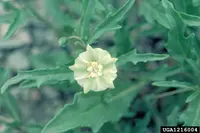
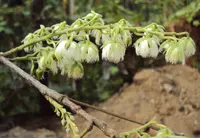
The small, cream-colored flowers with numerous stamens open mainly at night and at dusk, attracting bats and nocturnal insects that transfer pollen between trees.

Botan icon

Did you know?

In some regions of southeastern Mexico, the seeds of this species are traditionally roasted and eaten, and the tree is occasionally planted near homes as a small-scale food and shade tree, reflecting its role as a minor but culturally rooted fruit crop.

FAQs about olosapo

Container culture is possible for young trees if the pot is deep, heavy, and has excellent drainage. Long term, it becomes large and develops a strong root system, so it usually performs better planted in the ground in warm climates.

Grow Healthy Plants with Botan Care

Keep your plants happy and healthy with plant identification, disease detection, and easy care guidance.

Botan plant care app — identify plants on mobile

Explore More Plants