strawberrytree Care (Muntingia calabura)

Also known as: calabur tree, Singapore Cherry
strawberrytree

About strawberrytree

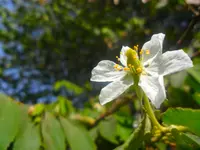
Muntingia calabura, often called strawberry tree or Jamaican cherry, is a fast-growing, small evergreen tree known for its sweet, cherry-like fruits. It typically forms a loose, rounded crown with slender branches and soft, slightly drooping leaves. Flowers are small, white, and produced over a long season, followed by many small red berries. The species is native to tropical regions of the Americas but is now widely planted in warm climates worldwide. It is generally easy to grow where winters are mild, thanks to its tolerance of poor soils and short dry spells. Understanding how to care for strawberrytree starts with knowing it prefers warmth, full sun, and well-drained soil.

Main Plant Requirements

Care Difficulty

Moderate Care

Light Preference

Full Sun

Water Requirements

Regular Water

Temperature Preference

Tropical / Frost Sensitive

Hardiness Zone

10–11

Soil Texture

Sandy, Loamy, Organic-rich

Soil pH

Acidic (5.5–6.5), Slightly acidic (6.5–7.0)

Soil Drainage

Well-drained

Fertilization

Light (every 4–6 weeks)

Get Personalized Care Plan

Scan your plant to receive care tips personalized for your specific plant

Available on iOS and Android

How to Care for the strawberrytree

Muntingia calabura flowers and fruits best in strong, consistent sunlight in warm climates.

  • Provide 6–8 hours of direct sun daily; full sun exposure suits most outdoor sites in frost-free areas.
  • Tolerates light partial shade, especially with morning sun and light afternoon shade in very hot regions to reduce leaf scorch.
  • If stems elongate, leaves pale, or fruiting drops, the plant is not getting enough light; prune nearby shade and adjust orientation seasonally for lower winter sun angles.

Muntingia calabura prefers evenly moist but not saturated soil once established.

  • Before watering, let the top 5–8 cm of soil dry; check by probing the soil rather than following a strict calendar schedule.
  • Use deep, infrequent watering that wets the root zone, combined with fast-draining soil to prevent root rot and sour, swampy odors from overwatering.
  • Increase watering during hot, dry periods when leaves wilt by midday, and reduce in cool or rainy seasons to avoid persistent sogginess and yellowing leaves.

This tropical small tree needs warm conditions and cannot handle frost.

  • Ideal growth occurs around 70–90°F (21–32°C), with strongest flowering and fruiting in the warmer part of this range.
  • Growth slows below 60°F (16°C), and damage occurs near 32°F (0°C); protect from any frost with covers or by choosing a sheltered microclimate.
  • Tolerates brief heat up to about 100°F (38°C) if soil moisture is maintained, but prolonged extreme heat with dry winds can scorch leaves and reduce fruit set.

This species manages well in relatively dry air but benefits from moderately humid conditions.

  • Aim for 40–60% humidity, which is typical of many outdoor settings in mild to warm climates.
  • The plant tolerates short dry-air spells, but prolonged very low humidity combined with heat can cause leaf edge browning and faster leaf drop.
  • If kept in a drier, exposed spot, reduce leaf stress by mulching the root zone and avoiding hot, reflected heat surfaces when caring for strawberrytree.

This species prefers light, well-drained soil that does not stay wet for long.

  • Use a sandy or loamy mix with 30–50% coarse material such as sharp sand or fine gravel to keep pores open.
  • In containers, combine 50–60% peat- or coir-based potting mix with 20–30% coarse sand and 10–20% perlite for drainage and aeration.
  • Muntingia calabura grows best in slightly acidic to neutral soil, around pH 6.0–7.0, but tolerates slightly higher pH if drainage is strong.
  • Avoid heavy clay, compacted sites, or spots where water stands after rain, as chronically wet roots invite rot and nutrient deficiencies.

This species can be grown in containers for some years if given a large, very stable pot.

  • Choose a deep container at least 45–60 cm across to accommodate the fast-growing root system and reduce tipping risk in wind.
  • Use a heavy material pot, such as thick terracotta or concrete, so the tall canopy does not make the container top-heavy.
  • Ensure multiple large drainage holes and elevate the pot slightly on feet or bricks so excess water escapes quickly after heavy rain or irrigation.

Muntingia calabura benefits from moderate feeding to support fast growth and fruiting in containers or nutrient-poor soils.

  • Use a balanced NPK granular or slow-release fertilizer, or well-rotted compost, for container or intensively grown trees.
  • Feed every 4–6 weeks during the warm growing season, adjusting based on growth vigor and leaf color.
  • Apply at half the label strength for container plants, and water thoroughly afterward to prevent root burn.
  • Reduce or stop fertilization in cooler months or when growth slows, especially in strawberrytree grown under marginal light.

Pruning Muntingia calabura helps manage size, maintain a strong framework, and support fruit production.

  • Carry out light structural pruning at the end of the dry or cool season, just before active growth resumes.
  • Remove dead, diseased, crossing, or storm-damaged branches with sharp, clean bypass pruners or loppers.
  • Thin crowded interior shoots to improve light penetration and airflow, which supports flowering and reduces disease risk.
  • Shorten overly vigorous or leaning branches to control height and spread, encouraging a balanced, accessible canopy.

This fast-growing tree is more often transplanted outdoors than kept long term in containers, but root management still matters.

  • Plan transplanting or up-potting for warm, mild weather, avoiding extreme heat, cold, or drought stress periods.
  • Look for roots circling the container, pushing out drainage holes, or for slow, weak top growth as signs it needs more space.
  • Transplant every 1–2 years when young, using a well-drained, slightly sandy mix and a pot 1–2 in wider than the previous one.
  • Gently loosen circling roots, keep the root ball slightly moist, shade the plant for a few days, and water deeply to limit transplant shock.

New Muntingia calabura plants are most commonly started from seed, with cuttings used where controlled conditions are available.

  • Sow fresh seeds in late spring to early summer on the surface of a light, well-drained mix, barely covering them.
  • Maintain 75–85°F, bright indirect light, and consistently moist (not waterlogged) substrate until germination.
  • For semi-hardwood cuttings, take 10–15 cm pieces, remove lower leaves, and dip bases in rooting hormone for better success.
  • Place cuttings in a humid environment with bottom warmth and gentle light, ventilating gradually as roots develop.

This tropical tree is frost-tender and needs careful winter management in climates with cool or freezing conditions.

  • In USDA zones below 10, grow in containers so plants can be moved indoors or into a heated greenhouse before frost.
  • Maintain indoor temperatures above 55°F with bright light, adjusting watering down as growth slows.
  • For in-ground trees in mild climates, apply a 5–8 cm mulch layer around the root zone, keeping it away from the trunk.

Care Tips

Early framework pruning

In the first 2–3 years, select 3–5 well-spaced main branches and remove steep, crossing, or low branches to build a strong open canopy that supports heavy fruit loads and reduces limb breakage in wind.

Support for heavy crops

In regions with strong wind or when branches are heavily fruiting, prop up long lateral branches with padded stakes or tie them loosely to a sturdy post to prevent splitting at the trunk union.

Fruit drop management

Place a groundsheet, weed mat, or short-cut grass under the canopy and collect fallen fruits daily to reduce volunteer seedlings, wasp attraction, and fruit fly breeding sites.

Rapid growth control

In warm climates, use light but frequent heading cuts on fast-growing shoots 2–3 times per year to keep height manageable and concentrate energy into flowering and fruiting wood closer to the main frame.

Bird and bat protection

If wildlife pressure is high, install a simple frame and cover the fruiting zone with fine horticultural netting that is kept taut and secured at the base so birds and bats cannot tangle or access the fruiting canopy while you are growing strawberrytree.

Common Pests and Diseases

Fruit fly infestation

This pest targets the soft, sweet berries, where adults lay eggs and larvae feed inside the fruit. Symptoms include small puncture marks, premature fruit drop, and soft, maggot‑ridden berries.

Solution

Collect and destroy infested or fallen fruits daily, and use fine mesh bags around developing clusters to exclude adults. In outdoor settings, hang yellow sticky traps or pheromone traps to monitor and reduce populations, and keep the area under the canopy clean to break the life cycle when growing strawberrytree.

Scale insects

These insects attach to young stems and leaf undersides, appearing as small bumps that excrete sticky honeydew. Symptoms include yellowing leaves, sooty mold growth on the honeydew, and reduced vigor.

Solution

Prune and discard heavily infested twigs, then wipe reachable areas with a cloth dipped in water with a few drops of mild soap. For larger plants, spray with horticultural oil, making sure to coat stems and leaf undersides, and repeat after 7–10 days if needed.

Leaf spot

This disease causes small brown to dark spots on leaves, often with a yellow halo, which can merge into larger blotches in humid conditions. Symptoms include premature leaf drop and a generally sparse canopy.

Solution

Remove and discard affected leaves from the plant and ground, and avoid wetting foliage when irrigating by watering at soil level. Improve airflow through light pruning, and apply a copper‑based or other labeled fungicide during extended wet or humid periods if spotting continues to spread.

Sooty mold

This disease develops as a black powdery or velvety coating on leaves and stems, growing on the honeydew excreted by sap‑feeding insects such as aphids and scale. Symptoms include dull, blackened foliage and reduced photosynthesis, which can weaken the plant over time.

Solution

First manage the underlying sap‑feeding insects using horticultural soap or oil, then gently wash affected leaves with water to remove the mold layer. Improve air circulation and avoid overhead watering to help foliage dry quickly and limit mold regrowth.

Leaf beetle damage

These insects chew irregular holes along leaf margins or between veins, sometimes skeletonizing young leaves on seedlings and small trees. Symptoms include ragged foliage and slowed growth in heavily grazed plants.

Solution

Handpick beetles in the early morning and drop them into soapy water, and remove nearby weeds that may host the insects. For young or repeatedly damaged plants, use floating row covers as a physical barrier, or apply a labeled neem or spinosad product to foliage, targeting the undersides of leaves and repeating as needed according to label directions.

Interesting Facts

Year‑round flowering

In consistently warm tropical climates, this species can flower and fruit almost continuously throughout the year, instead of following a strict seasonal pattern.

Specialized leaf hairs

The leaves have star-shaped (stellate) hairs that help reduce water loss and protect the tissue from intense tropical sun and minor herbivory.

Rapid pioneer growth

This tree is considered a pioneer species and often colonizes disturbed or poor soils quickly, improving shade and organic matter for later-succession plants.

Botan icon

Did you know?

Muntingia calabura fruit is highly attractive to many birds and bats, which can disperse the small seeds over long distances, allowing the species to spread efficiently through tropical urban and rural landscapes.

FAQs about strawberrytree

This species grows very quickly in warm climates, often 1–3 ft per year when young. Growth slows with age. Adequate light, warmth, and consistent moisture support strong extension growth and overall vigor.

Grow Healthy Plants with Botan Care

Keep your plants happy and healthy with plant identification, disease detection, and easy care guidance.

Botan plant care app — identify plants on mobile

Explore More Plants