Fruit-scented Sage Care (Salvia dorisiana)

Fruit-scented Sage

About Fruit-scented Sage

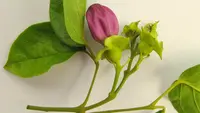
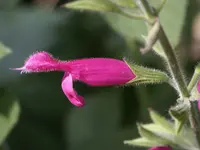
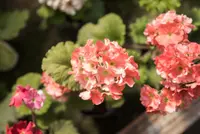
Fruit-scented sage (Salvia dorisiana) is a tender, fast-growing shrub from cloud forests of Central America, valued for its aromatic foliage and winter flowers. It typically forms a loose, upright bush with soft, fuzzy leaves that release a sweet, fruity scent when touched. Large, showy pink to magenta blooms appear mainly in the cooler months and attract pollinators in mild climates. In cultivation, it is usually grown as an ornamental container or conservatory plant in cooler regions, or as a garden shrub in frost-free areas. It is considered moderately easy to grow if given bright light, shelter from frost, and evenly moist, well-drained soil, which helps when learning how to care for Fruit-scented Sage.

Main Plant Requirements

Care Difficulty

Moderate Care

Light Preference

Partial Sun

Water Requirements

Moderate Water

Temperature Preference

Tropical / Frost Sensitive

Hardiness Zone

10–11

Soil Texture

Sandy, Loamy, Organic-rich

Soil pH

Acidic (5.5–6.5), Slightly acidic (6.5–7.0)

Soil Drainage

Moist but well-drained

Fertilization

Light (every 4–6 weeks)

Get Personalized Care Plan

Scan your plant to receive care tips personalized for your specific plant

Available on iOS and Android

How to Care for the Fruit-scented Sage

This shrub prefers bright conditions with gentle sun rather than intense, all-day exposure.

  • Provide 4–6 hours of direct morning sun with light afternoon shade; in hotter regions, use filtered light after midday to prevent leaf scorch.
  • Fruit-scented Sage tolerates light partial shade, but flowering and fragrance improve when it gets at least several hours of direct sun daily.
  • In winter, choose the sunniest spot available; in summer, monitor leaves for bleaching or crisp edges, which indicate excessive sun and need for more shade.

Watering should keep the soil lightly moist but never saturated for healthy growth.

  • Let the top 3–5 cm of soil dry before watering again; check with a finger rather than following a fixed schedule.
  • Increase watering during active growth and hot weather, and reduce in cooler months when Salvia dorisiana slows down and uses less moisture.
  • Watch for yellowing, soft leaves and a sour soil smell as signs of overwatering, and for drooping, thin leaves and very dry soil as signs of underwatering; ensure sharp drainage.

This species thrives in warm, frost-free conditions with mild seasonal variation.

  • Aim for 65–80°F (18–27°C) for best growth, as steady warmth supports vigorous foliage and flowering.
  • Protect the plant from temperatures below 40°F (4°C); light frost can damage leaves, and hard frost may kill stems or the whole plant.
  • Tolerates short heat spells up to about 90°F (32°C) if soil moisture is stable and roots are shaded, but growth slows in prolonged extreme heat or cold.

This species prefers moderately humid air but usually adapts to average indoor conditions.

  • Aim for 40–60% humidity to support steady growth and reduce leaf edge browning.
  • Tolerates brief drier air, but persistent levels below 30% can cause curled, crispy leaf margins and slow growth.
  • Increase humidity by grouping plants, placing the pot on a pebble tray with water below the base, or running a nearby humidifier.

Salvia dorisiana grows best in loose, well-aerated, sharply draining soil.

  • Use a mix of roughly 50% peat-free potting mix, 30% compost, and 20% perlite or pumice for structure and drainage.
  • Aim for slightly acidic to neutral pH around 6.0–7.0 to support nutrient uptake and root health.
  • Ensure the soil feels crumbly rather than sticky; add perlite or coarse sand if water takes longer than a few minutes to drain through.
  • Avoid compacted, heavy clay or constantly wet substrates, which promote root rot and weak, stretched growth.

This species is well suited to container growing when given enough root room and drainage control.

  • Choose a wide, heavy container to counteract the plant’s bushy, top-weighted growth and reduce tipping in wind.
  • Select a pot at least 25–30 cm deep to allow strong root anchoring and support taller stems.
  • Prefer breathable materials like unglazed terracotta if overwatering is a risk, since they allow faster evaporation and reduce waterlogging.

This aromatic shrub responds well to light, consistent feeding during its active season.

  • Use a balanced liquid fertilizer (such as 10-10-10) at 1/2 strength every 3–4 weeks in spring and summer.
  • Alternatively, top-dress with a thin layer of compost once in spring for slow, steady nutrition.
  • Pause feeding or reduce to 1 light application for the whole period in fall and winter.
  • Ensure soil is moist before applying fertilizer to reduce root burn and support healthy growth in Fruit-scented Sage.

Thoughtful pruning keeps Salvia dorisiana compact, leafy, and floriferous.

  • Use clean, sharp hand pruners to cut just above a leaf node to encourage branching.
  • In late winter or early spring, remove dead, damaged, or weak stems before new growth starts.
  • Thin out crowded interior shoots to improve airflow and reduce fungal disease risk.
  • Lightly shape after flowering to maintain size and support better blooming next season.

Container-grown Salvia dorisiana benefits from occasional repotting to refresh soil and manage root growth.

  • Repot every 2–3 years when roots circle the pot base, growth slows, or watering frequency rises sharply.
  • Plan repotting for early spring, just as new growth begins and temperatures are warming.
  • Move the plant only 1 pot size up, loosening circling roots gently and trimming broken ones.
  • Water thoroughly after repotting, then keep in bright, indirect light for 3–7 days to limit transplant shock.

Salvia dorisiana is commonly propagated from softwood or semi-ripe stem cuttings for reliable cloning.

  • Take 8–10 cm non-flowering cuttings in late spring or summer from healthy, vigorous shoots.
  • Remove lower leaves, optionally dip the cut end in rooting hormone, and insert into a moist, free-draining mix.
  • Maintain high humidity (clear cover or propagator) and bottom warmth around 70–75°F for rooting.
  • Seeds are less consistent; if used, sow fresh seed in warm, bright, lightly covered trays.

This species is frost-tender and needs protection in regions with cold winters.

  • In climates below 30–32°F, grow Salvia dorisiana in containers and move indoors before the first frost date.
  • Provide bright indoor light and keep temperatures around 60–70°F through winter.
  • Reduce watering, allowing the topsoil to dry slightly, as growth naturally slows.
  • In mild zones, mulch the root zone 5–8 cm deep to buffer brief cool spells.

Care Tips

Encourage Bushy Form

Pinch out soft shoot tips above a leaf pair every 3–4 weeks during active growth to keep plants compact, increase flowering wood, and prevent tall, floppy stems when growing Fruit-scented Sage.

Provide Discreet Support

Install a low, circular plant support ring or 3–4 slender canes early in the season and loosely tie stems with soft ties so the plant’s brittle branches do not snap under their own weight or in sudden wind.

Refresh Wood Regularly

Every 2–3 years, remove 1–3 of the oldest, thickest stems at the base in late winter to stimulate fresh, vigorous shoots and maintain a productive, long-lived framework.

Manage Container Root Mass

In large, mature container plants that are hard to up-pot further, trim back 2–3 cm from the outer root ball and refresh the outer soil layer with new mix in spring to prevent the plant from becoming rootbound and stressed.

Control Botrytis Indoors

In cool, still indoor air, reduce botrytis risk by avoiding overhead misting, promptly removing spent flowers and yellowing leaves, and running a small fan on low to keep gentle air movement around the foliage.

Common Pests and Diseases

Spider mites

This pest thrives on Salvia dorisiana in warm, dry indoor air, causing tiny pale speckling on leaves and fine webbing on stems and leaf undersides.

Solution

Rinse foliage thoroughly with a strong but gentle stream of lukewarm water, then increase humidity and improve air circulation; if mites persist, apply a horticultural soap or neem oil spray to leaf undersides every 5–7 days until new growth appears clean.

Whiteflies

These insects congregate on the soft, aromatic foliage, sucking sap and causing leaf yellowing, sticky honeydew, and reduced vigor, especially on greenhouse or indoor plants.

Solution

Shake foliage to dislodge adults and vacuum them carefully, then use yellow sticky traps and repeated applications of insecticidal soap or neem oil to the leaf undersides, ensuring good airflow to support recovery while caring for Fruit-scented Sage.

Powdery mildew

This disease appears as white, powdery patches on the large, textured leaves, which can curl, yellow, and decline under crowded, humid, low-light conditions.

Solution

Remove heavily affected leaves, space plants for better airflow, avoid wetting foliage, and provide brighter light; if needed, use a sulfur-based or potassium bicarbonate fungicide, applied according to label directions, until new growth remains mildew-free.

Botrytis blight

This disease develops as soft, water-soaked spots on leaves and flowers that turn brown and are covered with gray fuzzy mold under cool, damp, stagnant air conditions.

Solution

Cut off and discard all infected tissue, reduce humidity around the plant, improve ventilation, and water at the base early in the day; in persistent cases, a targeted botrytis fungicide can be used while keeping foliage as dry as possible.

Interesting Facts

Fruit gum aroma

The leaves release a pronounced sweet, fruity scent reminiscent of fruit gum when gently rubbed, due to a specific mix of volatile oils concentrated in glandular hairs on the foliage.

Winter-blooming shrub

In suitable climates this species often flowers in the cooler months, producing large, velvety pink tubular blooms that provide nectar when many other garden plants are not in flower.

Native Central American origin

This ornamental sage is native to the cloud forest and subtropical regions of Central America, where it grows as a soft, somewhat sprawling shrub in bright but filtered light conditions.

Botan icon

Did you know?

In some specialized collections and botanic gardens, this species is noted as one of the most strongly scented ornamental sages, valued more for its intense fruity fragrance and winter flowers than for traditional culinary or medicinal use.

FAQs about Fruit-scented Sage

Lack of flowering often comes from insufficient light, heavy nitrogen fertilization, or old, unpruned stems. Shading, repeated pinching late in the season, and stress from cold or drought can also reduce bud formation and delay blooms.

Grow Healthy Plants with Botan Care

Keep your plants happy and healthy with plant identification, disease detection, and easy care guidance.

Botan plant care app — identify plants on mobile

Explore More Plants