Staggered Succession Sowing
Sow small patches every 2–3 weeks in early spring so flowering and seed production are spread out, which improves pollinator support and gives multiple chances to time harvest in variable weather.

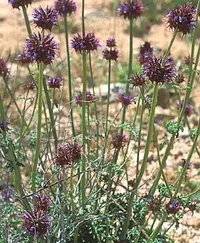
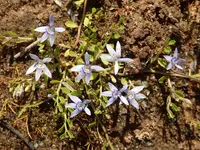
Chia, Salvia columbariae, is a small annual herb in the mint family, valued for its oil-rich seeds and compact growth. It typically forms low, branching plants with square stems, textured leaves, and rounded clusters of blue to purple flowers.
This species is native to dry regions of the western United States and northern Mexico, where it grows in open, well-drained sites. It adapts well to low-input gardens, so many gardeners find it straightforward to care for chia.
The plant prefers full sun, low to moderate moisture, and sandy or gritty, fast-draining soil, especially in climates with dry summers.

Care Difficulty
Easy Care

Light Preference
Full Sun

Water Requirements
Low Water

Temperature Preference
Warm Climate

Hardiness Zone
8–11

Soil Texture
Sandy, Loamy, Rocky

Soil pH
Slightly acidic (6.5–7.0), Neutral (7.0)

Soil Drainage
Well-drained

Fertilization
Minimal (feed rarely)
Scan your plant to receive care tips personalized for your specific plant
Available on iOS and Android
This annual prefers bright, open conditions that mimic its native dry habitats.
This species is adapted to dry sites and needs careful, sparing irrigation.
This annual thrives in warm, dry conditions typical of Mediterranean and arid climates.
Salvia columbariae handles low atmospheric moisture well, so humidity management is rarely critical.
Salvia columbariae prefers dry, loose, sharply drained soil that mimics its native arid habitats.
This species can be grown in containers if the pot setup keeps roots dry between waterings.
Salvia columbariae is an annual adapted to poor soils and usually needs minimal fertilization in garden beds.
Pruning Salvia columbariae is simple and mainly supports tidy growth and extended flowering.
This annual chia relative is most often direct-sown, but young plants can be transplanted carefully.
Salvia columbariae is typically propagated from seed, which suits its short annual life cycle.
As a warm-season annual, Salvia columbariae usually dies back with hard frosts and needs little winter care in the ground.

Plant Health Check
Not sure what's wrong with your plant? Check your plant's health inside the app.
This species is a cool-season annual that germinates with winter rains in arid regions, completes its life cycle quickly in spring, and sets seed before intense summer drought arrives.
Its tiny seeds, technically nutlets, are unusually rich in oils compared with many other desert annuals and provide an important, calorie-dense food source for granivorous birds and small mammals.
The blue to violet flower heads are arranged in whorls that offer stable landing platforms, and the flowers produce nectar and pollen timed to peak activity of native solitary bees and bumble bees in its home range.

Indigenous peoples of the American Southwest, including Kumeyaay and Cahuilla communities, traditionally harvested and stored the seeds as a portable, high-energy food and used them steeped in water to make a mucilaginous drink, a practice that remains one of the best-documented examples of traditional Salvia columbariae plant use.
Yes, the seeds and young leaves are edible and have been used traditionally as food. Seeds are usually eaten soaked or ground. Always avoid wild plants exposed to roadside pollution, pesticides, or herbicides before harvesting for consumption.
Keep your plants happy and healthy with plant identification, disease detection, and easy care guidance.