Encourage Dense Mounding
Pinch or lightly shear back spent flower stalks just above the foliage to keep the plant compact, extend blooming, and prevent it from opening up in the center over time.

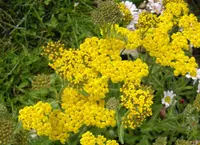
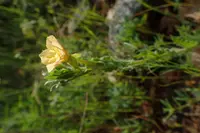
Yellow milfoil (Achillea tomentosa) is a low-growing, mat-forming perennial herb known for its bright yellow flower clusters and soft, gray-green, hairy foliage. It typically stays compact, creating dense carpets that suit rock gardens, edging, and groundcover plantings.
This species is native to dry, open areas of southern Europe, where it experiences full sun and relatively poor, well-drained soils. Its drought tolerance and tough foliage make it relatively easy to maintain once established.
Gardeners often care for Yellow Milfoil in sunny spots where other small perennials might struggle, especially in gravelly or sandy soil. It is generally resilient but may dislike heavy, waterlogged conditions.

Care Difficulty
Easy Care

Light Preference
Full Sun

Water Requirements
Low Water

Temperature Preference
Cold Hardy

Hardiness Zone
3–8

Soil Texture
Sandy, Loamy, Rocky

Soil pH
Slightly acidic (6.5–7.0), Slightly alkaline (7.0–7.5)

Soil Drainage
Well-drained

Fertilization
Minimal (feed rarely)
Scan your plant to receive care tips personalized for your specific plant
Available on iOS and Android
Achillea tomentosa prefers bright, open conditions to flower well and stay compact.
Achillea tomentosa is drought-tolerant and prefers infrequent, deep watering in fast-draining soil.
This yarrow species thrives in temperate, dry climates and tolerates both summer heat and winter cold once established.
Humidity is rarely critical for Achillea tomentosa, which thrives in dry, airy conditions typical of heated homes.
Achillea tomentosa prefers lean, fast-draining, slightly alkaline soil that mimics dry, rocky habitats.
This species is suitable for container growing where drainage and dryness can be controlled closely.
Achillea tomentosa is adapted to lean soils and needs only modest feeding for best growth.
Pruning Achillea tomentosa maintains a compact mound and prolongs flowering.
This plant is most often grown in garden beds, where occasional division and transplanting keep clumps healthy.
Achillea tomentosa is commonly propagated by division, cuttings, or seeds to expand groundcover patches.
This species is cold hardy in most temperate climates and usually needs only minimal winter attention.

Plant Health Check
Not sure what's wrong with your plant? Check your plant's health inside the app.
The foliage is densely covered with fine, felted hairs that give the plant a grey, woolly look and reduce water loss while reflecting intense sunlight in its native dry, sunny habitats.
Unlike many taller yarrows, this species stays compact and forms dense, ground-hugging mats that can stabilize soil on slopes and between rocks in dry, open sites.
It is naturally frequent on thin, sandy or rocky soils in southern Europe, where it persists and spreads in conditions that are often too nutrient-poor and dry for many competing species.

This species hybridizes readily with some other yarrows in cultivation, and these natural crosses can blur identification in rock gardens where multiple Achillea species are grown close together.
This species forms slowly spreading mats through short rhizomes and self-seeding, but it is usually not aggressive. In well-drained, lean soil it stays manageable. Remove spent flower heads before seeds ripen if spread becomes unwanted.
Keep your plants happy and healthy with plant identification, disease detection, and easy care guidance.