


Staggered Succession Sowing
Sow small batches of seed every 10–14 days in early spring so that flowering and biomass production are spread out, which reduces stress on any single cohort and maintains a more even ground cover.

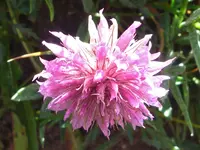
Rocky Mountain clover, Trifolium attenuatum, is a perennial clover native to high-elevation regions of the Rocky Mountains. It typically grows low to the ground, forming small, tidy clumps.
The plant has the familiar trifoliate leaves and compact clusters of pink to purplish flowers that attract bees and other pollinators. It often appears in open meadows and rocky slopes where soils are well drained.
This species is generally hardy and tolerant of cold, wind, and poor, gravelly substrates, which makes it relatively straightforward to care for Rocky Mountain clover in suitable climates. It performs best in full sun with moderate moisture and soil that does not stay waterlogged.

Care Difficulty
Moderate Care

Light Preference
Full Sun

Water Requirements
Moderate Water

Temperature Preference
Cool Climate

Hardiness Zone
3–7

Soil Texture
Sandy, Loamy, Rocky

Soil pH
Acidic (5.5–6.5), Slightly acidic (6.5–7.0)

Soil Drainage
Well-drained

Fertilization
Minimal (feed rarely)
Scan your plant to receive care tips personalized for your specific plant
Available on iOS and Android
This alpine clover prefers cool, bright mountain conditions with plenty of sun but protection from extremes.
This species prefers evenly moist but not saturated soil that never stays waterlogged for long periods.
This hardy mountain clover is adapted to cool summers and cold winters, with good tolerance of seasonal swings.
This species tolerates a wide humidity range, so indoor humidity usually needs no adjustment.
This clover prefers loose, well-drained mineral soils that never stay waterlogged.
This species can be grown in containers if the pot is set up to mimic its naturally free-draining habitat.
This clover is adapted to lean soils and usually needs only modest feeding, especially in native-style plantings.
Trifolium attenuatum benefits from light, targeted pruning to maintain a tidy, flowering clump.
This species is more often transplanted in the ground than repotted, since it is typically grown as a small, hardy outdoor clover.
New plants are most reliably obtained from seed, which suits both restoration work and home gardens.
This clover is generally cold hardy in its native range and needs minimal winter care in well-drained soil.

Plant Health Check
Not sure what's wrong with your plant? Check your plant's health inside the app.
This clover is naturally restricted to high-elevation habitats of the central and southern Rocky Mountains in the western United States, where it grows in open, often rocky or gravelly subalpine sites.
Populations are typically found in cool, short-season environments, showing adaptation to late snowmelt, intense sunlight, and episodic drought typical of alpine and subalpine climates.
Like other clovers, this species forms root nodules with Rhizobium bacteria that convert atmospheric nitrogen into forms usable by plants, helping enrich poor mountain soils.
This species forms small, clumping patches rather than large runners. It spreads slowly by short stems and seed, so it is unlikely to become invasive under normal garden conditions, especially in well-managed beds or rock gardens.
Keep your plants happy and healthy with plant identification, disease detection, and easy care guidance.

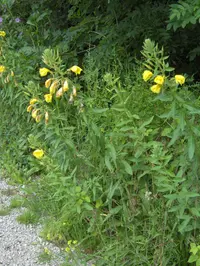
intermediate evening-primrose
Oenothera × fallax
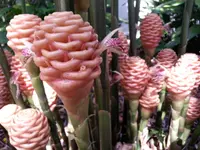
beehive ginger
Zingiber spectabile
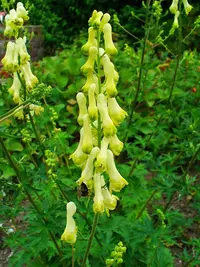
Yellow-flowered Monkshood
Aconitum lycoctonum
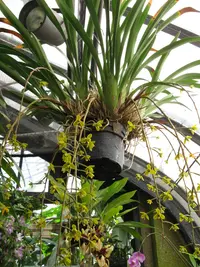
Giant boat-lip orchid
Cymbidium madidum
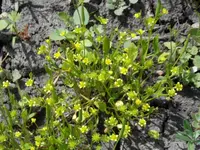
Lateral-flowered Buttercup
Ranunculus lateriflorus
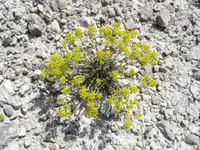
thyme-leaved alison
Alyssum serpyllifolium
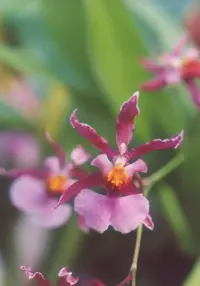
Oncidium ornithorhynchum
Oncidium ornithorhynchum
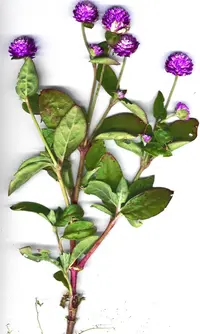
Globe amaranth
Gomphrena globosa