Globe amaranth Care (Gomphrena globosa)

Also known as: common globe amaranth
Globe amaranth

About Globe amaranth

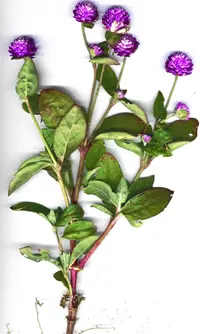
Globe amaranth (Gomphrena globosa) is a warm-season annual known for its round, clover-like flower heads that keep their color even when dried. Plants stay compact and bushy, making them suitable for borders, containers, and cutting gardens.

This species is native to Central and South America but is now widely grown in warm and temperate regions as an ornamental. The flowers come mainly in shades of purple, pink, red, and white, and attract butterflies.

Globe amaranth is typically considered easy to grow because it tolerates heat, short dry spells, and relatively poor soils if drainage is good. Understanding how to care for Globe amaranth mainly involves providing plenty of sun and avoiding waterlogged conditions.

Main Plant Requirements

Care Difficulty

Easy Care

Light Preference

Full Sun

Water Requirements

Moderate Water

Temperature Preference

Tropical / Frost Sensitive

Hardiness Zone

9–11

Soil Texture

Sandy, Loamy, Organic-rich

Soil pH

Slightly acidic (6.5–7.0), Neutral (7.0)

Soil Drainage

Well-drained

Fertilization

Light (every 4–6 weeks)

Get Personalized Care Plan

Scan your plant to receive care tips personalized for your specific plant

Available on iOS and Android

How to Care for the Globe amaranth

This sun-loving annual blooms best with strong, direct light through the growing season.

  • Provide 6–8 hours of full sun daily; morning sun plus some light afternoon shade is ideal in very hot regions.
  • Plants tolerate light partial shade (about 3–4 hours of direct sun) but may grow taller and flower less densely.
  • In midsummer, monitor for leaf scorch from reflected heat; in cloudy or short-day seasons, choose the brightest, most open site for Globe amaranth.

This drought-tolerant annual prefers thorough but infrequent watering once established.

  • Allow the top 3–5 cm of soil to dry before watering; in most garden soils, this means waiting until the surface looks dry and feels crumbly.
  • Water slowly at the base so it soaks 15–20 cm deep, then let excess drain away; consistently soggy soil leads to yellowing leaves and root rot in Gomphrena globosa.
  • In cooler or rainy seasons, reduce watering; in intense heat, watch for limp, dull leaves and dry soil as signs the plant needs a deep drink.

This warm-season annual grows best in stable, moderately hot conditions without frost.

  • Aim for 70–86°F (21–30°C) for vigorous growth and abundant flowering during the main season.
  • The plant stops thriving below about 55°F (13°C) and is killed by frost; protect from temperatures near 32°F (0°C) with covers or by planting after the last frost date.
  • Gomphrena globosa tolerates short spikes to 95–100°F (35–38°C) if soil is not bone-dry, but extended extreme heat can reduce flowering and cause stress.

Humidity is rarely a concern for this drought-tolerant annual.

  • Performs well in 30–50% humidity typical of most homes and outdoor summer conditions.
  • Tolerates dry air with no need for misting, trays, or humidifiers when caring for Globe amaranth.
  • Watch for wilting and crisp leaf edges in extreme heat with very low humidity, then water promptly and provide light shade.

Soil for this species should be light, well-drained, and not overly rich.

  • Use a sandy or sandy-loam mix with 20–30% compost to provide structure without becoming heavy.
  • Ensure rapid drainage; mix in coarse sand or perlite so water does not pool around the roots.
  • Aim for slightly acidic to neutral pH, around 6.0–7.5, which supports balanced nutrient uptake for Gomphrena globosa.
  • Avoid compacted clay, constantly wet substrates, or peat-heavy mixes that stay soggy and limit aeration.

This species is well suited to container growing when drainage and root space are managed carefully.

  • Choose a wide, moderately deep pot so the fibrous roots can spread without crowding and the top growth stays balanced.
  • Select containers with multiple drainage holes so heavy summer watering never leaves water sitting at the base.
  • Use a heavier material or weight the base if needed, as the dense flowering canopy can make lightweight pots tip in wind.

This annual benefits from light, controlled feeding to support compact growth and abundant blooms.

  • Use a balanced liquid fertilizer (such as 10-10-10) at 1/2 strength every 3–4 weeks during the warm growing season.
  • Alternatively, mix a small amount of slow-release balanced granules into the soil at planting time for Globe amaranth.
  • Avoid high-nitrogen products, which encourage foliage over flowers, and never apply to dry soil.
  • Stop feeding in late summer or early fall so plants naturally wind down before frost.

Gomphrena globosa responds well to simple pruning that encourages branching and continuous flowering.

  • Begin light shaping once plants are established in late spring or early summer.
  • Use clean, sharp scissors or hand pruners to remove faded flower heads, dead stems, and damaged growth.
  • Pinch or cut back stem tips by 2–5 cm to promote bushier plants and more flower spikes.
  • Thin crowded stems to improve airflow, reducing the risk of fungal problems in humid weather.

This species is typically grown as an annual bedding or container plant, so focus on correct transplanting rather than routine repotting.

  • Transplant outdoors in late spring after frost, once seedlings have several true leaves and nighttime temperatures stay above 55°F.
  • Choose a slightly larger container or garden spot with well-drained soil; loosen roots gently, especially if circling the pot.
  • Water thoroughly before and after transplanting, then keep soil evenly moist for 7–10 days to limit transplant shock.
  • Containers rarely need further repotting within one season unless growth stalls from severe root binding or poor drainage.

Most home gardeners propagate this plant from seed, which is straightforward under warm, bright conditions.

  • Sow seeds indoors 6–8 weeks before the last frost or directly outdoors after frost has passed and soil warms.
  • Use a light, well-drained seed mix and keep it slightly moist; maintain 70–75°F for faster germination.
  • Press seeds gently into the surface or cover very lightly, as some light exposure supports germination.
  • Provide bright light and good airflow; once seedlings have 2–3 true leaves, thin or pot up to avoid crowding.

In most climates this plant behaves as a frost-tender annual and does not require complex winter care.

  • Expect outdoor plants to die back after the first hard frost; replant from seed the following spring rather than overwintering.
  • In mild frost-free areas, a light mulch layer can help any self-sown seedlings or roots survive cooler nights.
  • Container plants in cooler zones can be discarded after flowering or kept frost-free indoors as short-lived ornamentals.

Care Tips

Deadhead For Reblooms

Remove spent flower heads before they fully dry and set seed to encourage continuous flowering and keep plants compact through the season.

Pinch Young Plants

When plants are 10–15 cm tall, pinch out the top 2–3 cm of growth to promote branching, which increases both flower number and stem quality for cut use.

Staggered Sowing

Sow seeds in 2–3 waves spaced 3–4 weeks apart to maintain a steady supply of fresh, vigorous flowering plants from early summer until frost.

Cut Flower Conditioning

Harvest stems when flower heads are fully colored but still firm, then strip lower leaves and place in deep, clean water for several hours to hydrate before arranging or drying.

Drying For Storage

To support long-term use of flowers when growing Globe amaranth, hang small bunches upside down in a dry, shaded, well-ventilated area until fully papery, then store in breathable containers away from direct sun.

Common Pests and Diseases

Spider mites

This pest often appears in hot, dry periods and feeds on leaf undersides, causing stippling and possible webbing. Symptoms include dull, speckled foliage and reduced vigor.

Solution

Rinse plants thoroughly with a strong but controlled stream of water, focusing on the undersides of leaves, then repeat every few days. For heavier infestations, use insecticidal soap or a neem oil spray in the early morning, and keep plants well watered to avoid very dry, dusty conditions that favor mites.

Aphids

These insects cluster on young shoots and flower stems, sucking sap and excreting sticky honeydew. Symptoms include distorted new growth, sticky residue, and sometimes sooty mold on leaves.

Solution

Prune or pinch off heavily infested tips, then wash remaining stems and leaves with water to remove aphids and honeydew. If populations persist, apply insecticidal soap or a light horticultural oil, making sure to coat all plant surfaces, and encourage natural predators like lady beetles if growing outdoors.

Leaf spot

This disease causes small, dark, water-soaked or tan lesions on leaves that may enlarge and merge under warm, humid conditions. Symptoms include yellowing and premature drop of affected foliage.

Solution

Remove and dispose of spotted leaves and plant debris to reduce sources of infection, and water at soil level rather than overhead to keep foliage dry. Improve spacing and airflow around plants, and in recurring cases consider a preventive copper- or chlorothalonil-based fungicide labeled for ornamental annuals, following all label directions.

Botrytis blight

This disease develops in cool, damp weather and affects flowers, buds, and leaves, producing soft brown areas that may show gray, fuzzy mold. Symptoms include rotting flower heads and failure of buds to open properly.

Solution

Promptly remove and discard all infected flower heads and plant parts, and avoid wetting flowers when irrigating. Increase air circulation, reduce crowding, and in persistent, wet conditions use a fungicide labeled for botrytis on ornamentals as a preventive measure.

Powdery mildew

This disease appears as white or gray powdery patches on leaves, stems, and sometimes flowers, especially when nights are cool and humidity is high. Symptoms include distorted growth and reduced flowering if left unmanaged.

Solution

Thin dense growth to improve airflow, avoid overhead watering, and water early in the day so leaves dry quickly. At first signs, remove the most affected leaves and consider a sulfur or potassium bicarbonate fungicide labeled for ornamental plants, a common part of practical Gomphrena globosa care instructions in humid regions.

Interesting Facts

Everlasting flower heads

The papery bracts of this species retain their shape and color for years when dried, which is why it has been used for traditional everlasting wreaths and garlands across tropical regions.

Heat and drought resilience

Native to Central and South America, it is physiologically adapted to hot, relatively dry conditions and continues flowering when many other annuals slow down in midsummer heat.

Pollinator support role

Although the flower heads look solid, they contain many small true florets that provide nectar and pollen for bees, butterflies, and other insects over a long blooming season.

Botan icon

Did you know?

This species was an important component of traditional Hawaiian lei making after its introduction to the islands, valued because the bracts keep their vivid color for a long time even in the intense coastal sun and when woven into garlands.

FAQs about Globe amaranth

Lack of blooms is usually due to insufficient light, excess nitrogen fertilizer, or plants being too young. Ensure full sun, use a balanced or low-nitrogen fertilizer, avoid heavy shade, and deadhead faded flower heads to maintain flowering.

Grow Healthy Plants with Botan Care

Keep your plants happy and healthy with plant identification, disease detection, and easy care guidance.

Botan plant care app — identify plants on mobile

Explore More Plants