Rhizome Spacing
When planting or dividing clumps, space rhizomes 30–45 cm apart with buds facing up so the shoots have room to expand and produce larger, more stable flowering stems over time.

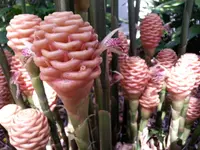
Beehive ginger, Zingiber spectabile, is a tropical perennial from Southeast Asia grown mainly for its striking flower-like bracts. It belongs to the ginger family and forms dense clumps from underground rhizomes.
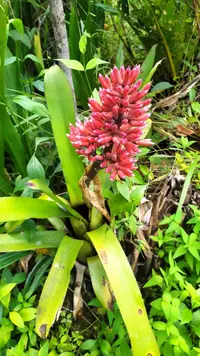
The plant produces tall, leafy stems and distinctive cone-shaped bracts that resemble beehives, often in yellow, orange, or red tones. These bracts hold small true flowers and can last for many weeks.
In warm, humid climates it is often used as a landscape or cut-flower plant, while in cooler regions it is usually grown in containers and moved indoors. Understanding how to care for beehive ginger is important because it prefers bright, filtered light, consistent moisture, and rich, well-drained soil, and can be sensitive to cold and drought.

Care Difficulty
Moderate Care

Light Preference
Partial Shade

Water Requirements
Keep Soil Moist

Temperature Preference
Tropical / Frost Sensitive

Hardiness Zone
10–11

Soil Texture
Loamy, Sandy, Organic-rich

Soil pH
Acidic (5.5–6.5), Slightly acidic (6.5–7.0)

Soil Drainage
Moist but well-drained

Fertilization
Moderate (every 2–4 weeks)
Scan your plant to receive care tips personalized for your specific plant
Available on iOS and Android
This tropical species prefers bright, filtered light that mimics understory conditions.
This rhizomatous ginger prefers evenly moist but not waterlogged soil during active growth.
This plant thrives in warm, frost-free climates with stable temperatures.
This species prefers consistently moist air and benefits from higher humidity than most household conditions.
This rhizomatous plant needs airy, moisture-retentive but well-drained soil to avoid rot.
This species adapts well to container growing when given enough depth and stable moisture.
Nutrient-rich soil and steady feeding support strong growth and flowering in beehive ginger.
Pruning Zingiber spectabile focuses on removing old or unhealthy growth rather than shaping the plant heavily.
This species is usually grown in-ground, but container plants or clumps benefit from periodic division and transplanting.
Division of rhizomes is the most practical method for expanding plantings of this ginger.
Zingiber spectabile is frost-tender and needs protection in climates with cool or freezing winters.

Plant Health Check
Not sure what's wrong with your plant? Check your plant's health inside the app.
The beehive-shaped structures are not the flowers themselves but tightly packed bracts that house many small, short-lived true flowers inside. These bracts can persist for weeks to months, while each individual flower only lasts a short time.
The bracts typically emerge green or yellowish and gradually deepen to rich golden, orange, or reddish tones as they mature. This color change helps attract different stages of pollinators over an extended flowering period in its native Southeast Asian habitats.
The small tubular flowers often show contrasting markings that function as nectar guides, visually directing insects to the nectar source. This increases pollination efficiency and supports the plant’s reproductive success in dense tropical understories.

This species has been cultivated and traded internationally for the cut-flower industry because its durable, architecturally complex inflorescences hold color and structure for a long time, making it a distinctive focal element in tropical floral design.
Lack of blooms often comes from insufficient warmth, immature rhizomes, or nutrient imbalance. Ensure a long, warm growing season, avoid deep shade, and use a balanced fertilizer with slightly higher potassium to support flower production.
Keep your plants happy and healthy with plant identification, disease detection, and easy care guidance.